Storm Water Damage in Jacksonville, OR
Winter storms in Jacksonville are most common from November through March, and heavy snow met by sudden warm rain overloads roofs, windows and storm drains. The restoration team extracts the water, finds where it entered and dries what it soaked.
(888) 373-8814Storm water inside? Call now for cleanup
First steps when storm water gets into a Jacksonville home
Do now
- 1Find the entry. Note whether water is coming through a roof, a window, a door or up from the floor, and photograph it
- 2Switch off wet circuits. Turn off breakers for soaked rooms from a dry floor; if a panel is flooded, leave it alone and contact Pacific Power
- 3Control what you can. Use towels or a tarp where it is safe, and lift belongings clear of the water
- 4Call with details. Say how deep it is, where it entered and whether the street or yard is also flooded
Hold off
- Climbing onto a wet or icy roof
- Stepping into water that covers outlets
- Letting soaked carpet sit until the storm passes
How storm water damage is handled by the Jacksonville restoration crew
Storm water has to be traced back to where it got in. Pulling the water out and finding the entry point go hand in hand.
Rapid local response
The response team works day and night across Jacksonville and the Rogue Valley, weekends and storm nights included, and treats active water as urgent.
IICRC S500 drying standard
The drying team works to the industry drying standard and pulls equipment only when readings say dry, not when a surface looks dry.
Claim-ready documentation
Moisture maps, daily readings and timestamped photos go into a drying log that an adjuster, a landlord and the owner can all read.
Rogue Valley water experts
Crawl spaces, manufactured homes, wells, septic systems and old galvanized pipe are everyday work, so the crew checks under the floor, not just the wet room.
What does storm water damage cost in Jacksonville, OR?
In Jacksonville, OR, storm water damage cleanup typically runs $1,000 to $8,000. Rain through a single opening sits low; runoff into several rooms and low spaces sits high, and roof or drainage repairs are separate.
- One entry point$1,000 to $2,500
- Water extracted
- Pad lifted if soaked
- Fans and one dehumidifier
- Several rooms$2,500 to $5,500
- Wet insulation pulled
- Cavity drying
- Readings logged
- Runoff into low spaces$5,500 to $8,000+
- Low spaces pumped out
- Category 3 steps
- Extended drying
The drivers are the water category, the square footage, the material class and how fast drying started. For a planning range, try the water damage cost calculator.
The storm water damage process in Jacksonville
- 1
Pull out the water
Extractors and portable pumps clear the standing water while the crew notes the entry path for the repair.
- 2
Remove the soaked
Wet carpet pad, saturated insulation and swollen trim are cut out, since rain that crosses roofs and soil is not clean.
- 3
Dry and monitor
Air movers and LGR dehumidifiers run on a daily meter log until framing and subfloor read dry.
- 4
Hand off the repair
The entry point is documented for a roofer or contractor, and the log joins the claim file.
Storm water damage in Jacksonville tends to arrive in a pattern: heavy snowfall followed by sudden warm rain. The town gets about 21 inches of rain a year, most of it in fall and winter, and winter storms are most common from November through March. Road closures from winter weather are common, and strong winds and ice storms have blown down trees, cutting power and blocking streets.
Where the water goes
City of Jacksonville Public Works maintains storm water collection, but areas outside mapped floodplains can still flood from small unmapped streams and local storm drainage. Areas with slopes over 20 percent are treated as a high erosion hazard, so runoff from a hillside lot can move fast toward lower streets. Water gets into a building through roofs, windows, doors and low openings.
Why storm water is not clean water
Rain that crosses a roof, a yard or a street picks up debris, silt and bacteria, so storm water is usually Category 2 and becomes Category 3 once it mixes with creek or sewer water. The crew removes porous materials that were soaked, and when creek flooding is involved, flood water cleanup in Jacksonville applies. Silt stays behind in carpet pad and baseboard cavities after the water is gone, so those spots are checked and cleaned before drying begins.
After the storm passes
Wind can lift a roof seam or strip a shingle, and the leak may show only as a ceiling stain days later. Roof leak water damage in Jacksonville covers the attic and ceiling side. Ice storms can also cut power, so heat and pumps stop just when the weather is worst, which is another reason to dry the structure quickly. Stains that appear on a ceiling or wall in the days after a storm are worth reporting early, because slow seepage can wet a cavity long before it shows.
Where storm water damage is handled around Jacksonville
Jacksonville water damage pros work throughout ZIP 97530, from the Historic District and the streets around California Street and Oregon Street to Pheasant Meadows, the Woodlands hillside and Britt Gardens. Crews also reach Royal Mobile Estates, the Third Street area and Oregon Highway 238.
See every area coveredRelated water damage services in Jacksonville
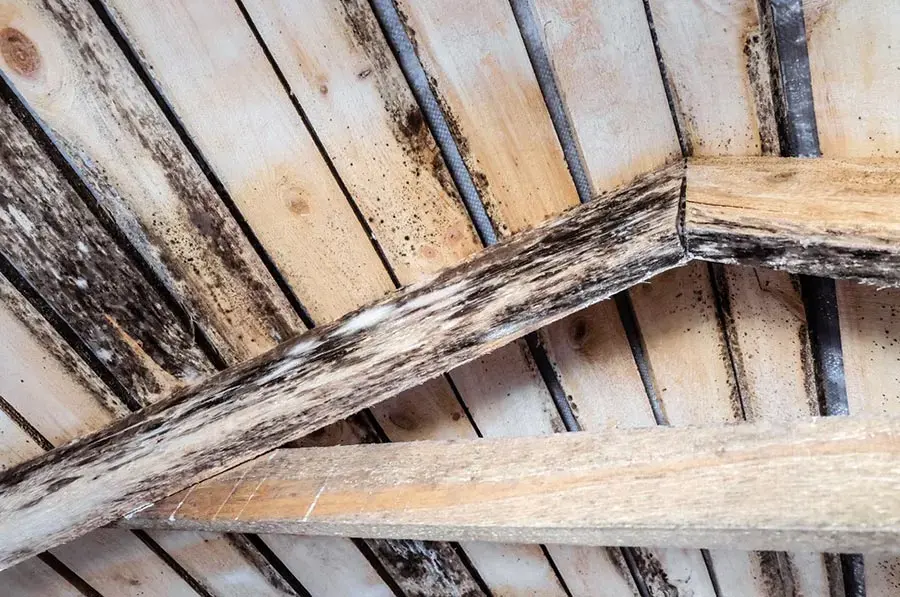 Roof Leak Water Damage in JacksonvilleWind and ice damage to historic core roofs, dried out before the ceiling below sags.View service
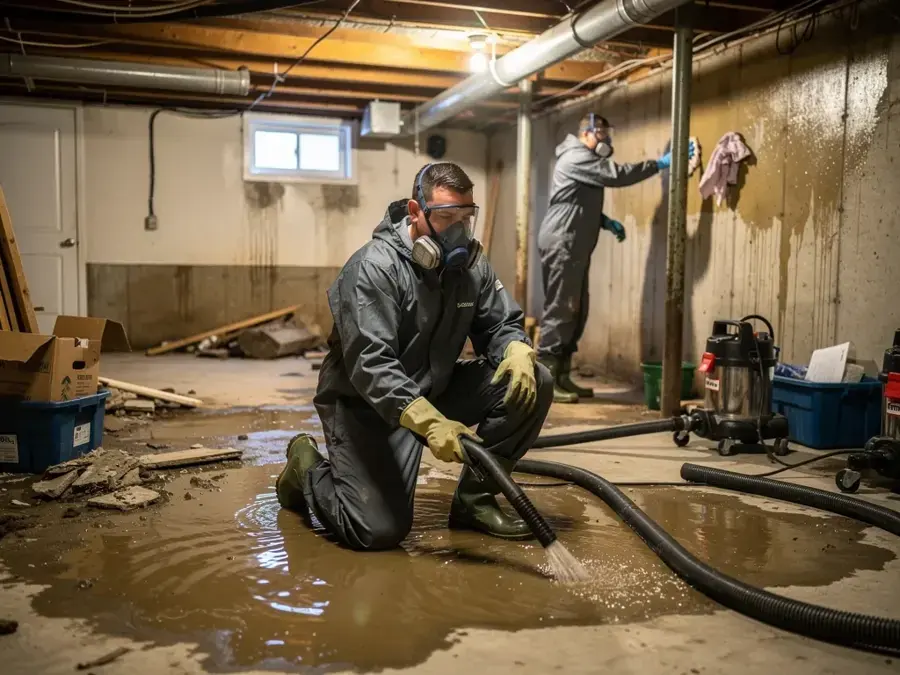 Flood Water Cleanup in JacksonvilleJackson Creek or Daisy Creek overflow is treated as black water from the first step.View service
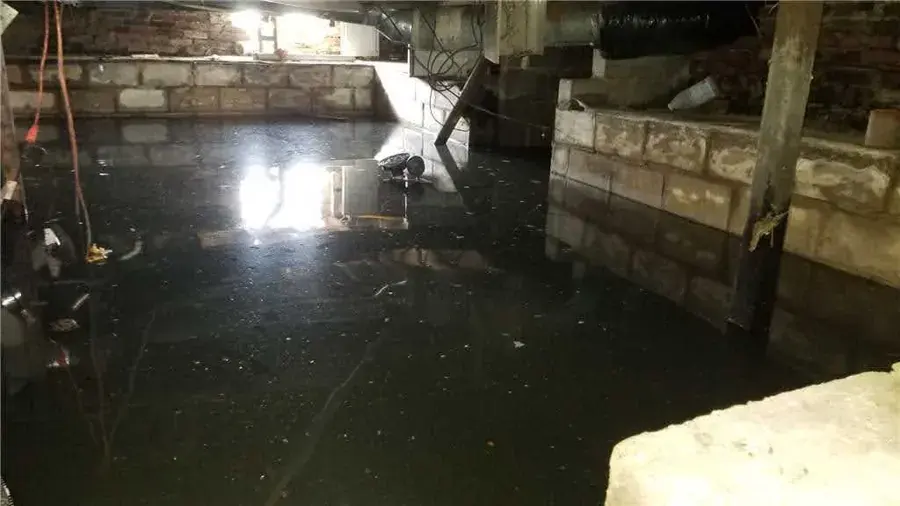 Crawl Space Water Damage in JacksonvilleWhere a home has a crawl space, water beneath the floor is pumped out and the framing dried.View service
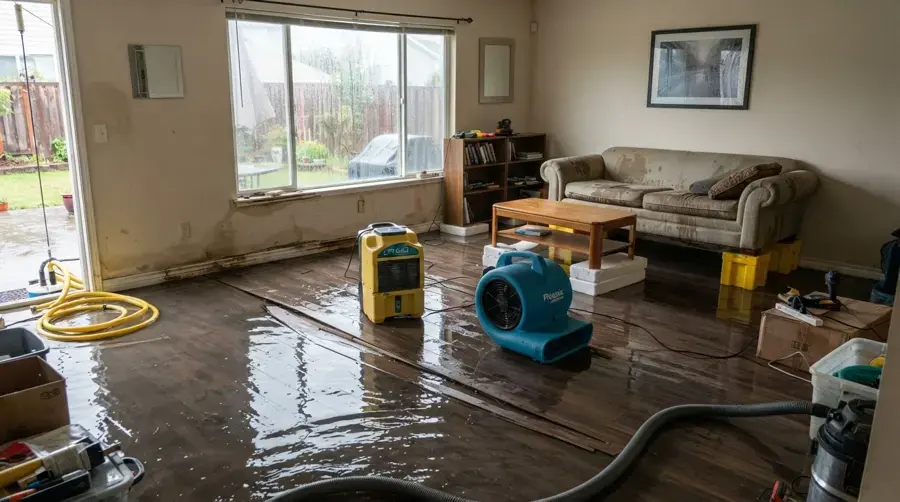 Water Extraction in JacksonvilleStorm rain, creek overflow or a failed pipe: standing water is pulled out before it wicks into plaster.View service
Storm Water Damage in Grants PassAtmospheric-river rain driven through siding, windows, doors and crawl vents.View service
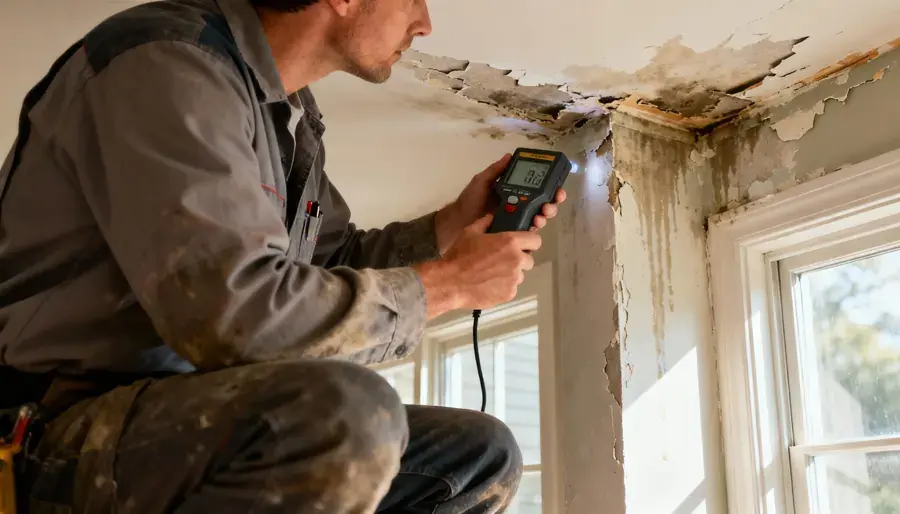 Water damage restoration in JacksonvilleAll fourteen services are tailored to Jacksonville's historic masonry, creek corridors, hillside streets and owner-occupied homes.View the town page
When is storm season in Jacksonville?
Winter storms are most common from November through March, and the town gets about 21 inches of rain a year, mostly in fall and winter. Road closures from winter weather are common. Storms can arrive any time in that window.
Why do snow and warm rain cause trouble together?
Heavy snowfall followed by sudden warm rain sends melt and rain into drains and creeks at once. Flooding in Jacksonville usually follows exactly that combination. That timing is worth watching.
Can storm water reach a building outside the floodplain?
Yes. Areas outside mapped floodplains can still flood from small unmapped streams and local storm drainage, so a clear flood map does not rule out water entering a home.
Is storm water dried in place or removed?
That depends on the path. Rain through a roof is often Category 2, so pad usually goes and hard surfaces stay. Water that mixed with creek or sewer water is Category 3 and porous materials go. Silt is cleaned out either way.
How long does storm water drying take?
A contained loss usually takes three to five days, and a cold wet week stretches that. Structural drying in Jacksonville gear stays until meters match dry material.
Is storm damage covered by insurance?
Wind-driven rain through a damaged roof is often covered, while rising water from creeks needs flood coverage. Coverage depends on the policy, so check with your own insurer before filing.
Storm water in your Jacksonville home? Call now.
The extraction crew clears the water, and the drying team dries what it soaked until the readings come back to normal.
(888) 373-8814Clear the storm water now