Water Damage Restoration Rogue River, OR
24/7 water damage restoration in Rogue River, OR, from Broadway to homes along Evans Creek and Wards Creek. The restoration team pulls out standing water, dries framing and floors to a measured goal and logs each reading.
(888) 373-8814Water on the floor? Call for Rogue River help now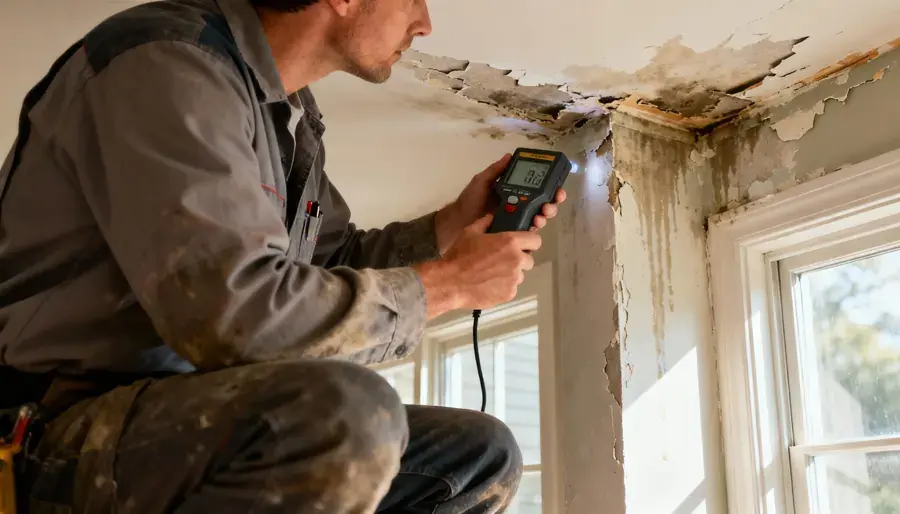 Evans Creek
What to do while water is still spreading in Rogue River
Wet framing can start to grow mold within 24 to 48 hours, so the first hour sets the size of the job.
Do now
- 1Close the main valve. Inside city limits the City of Rogue River supplies the water, so shut the main at the meter or where the pipe enters
- 2Cut wet circuits. Switch off breakers for flooded rooms, but only from a dry floor at a dry panel, never while standing in water
- 3Photograph everything. Take pictures of each wet room, the source and the waterline on the walls before anything is moved or thrown out
- 4Raise what can move. Lift rugs, papers and electronics off the floor and slide foil or blocks under the legs of furniture
- 5Then call. Say which rooms are wet, whether water got under the floor, and whether it came from a creek, a pipe or a drain
Hold off
- Walking through water near outlets or cords
- Using a household vacuum on standing water
- Turning up the heat to dry the house faster
- Crawling under a manufactured home while it still drips
Water Damage Restoration Services in Rogue River, OR
Fourteen services, each matched to how Rogue River homes, rentals and small downtown shops take on water.
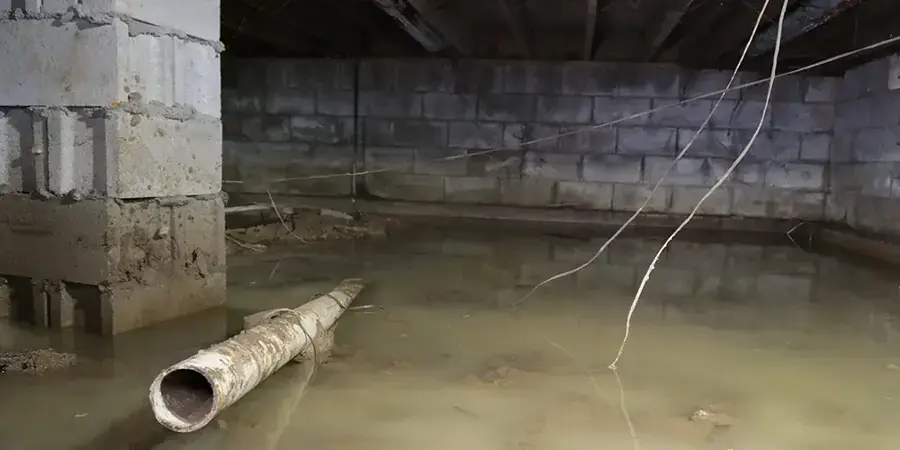
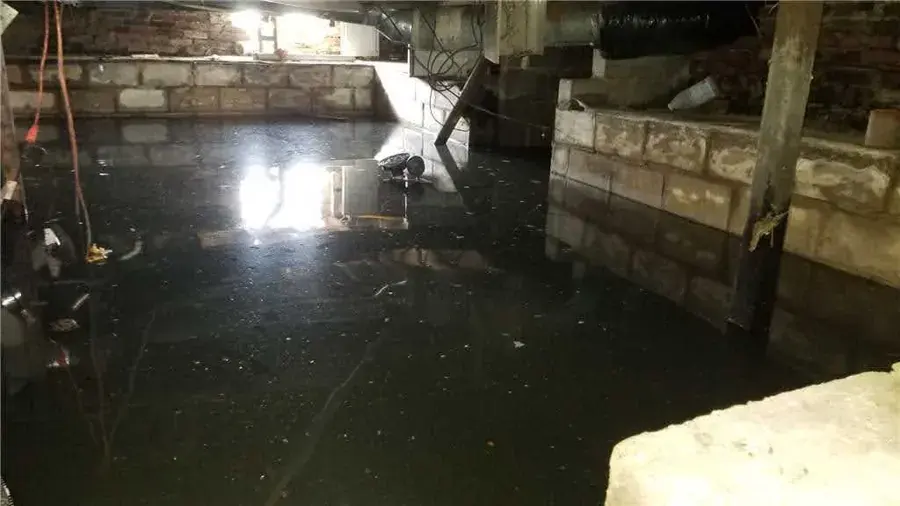 Crawl Space Water DamageWhere a house sits over a crawl space, the water is pumped out and the joists dried.View service
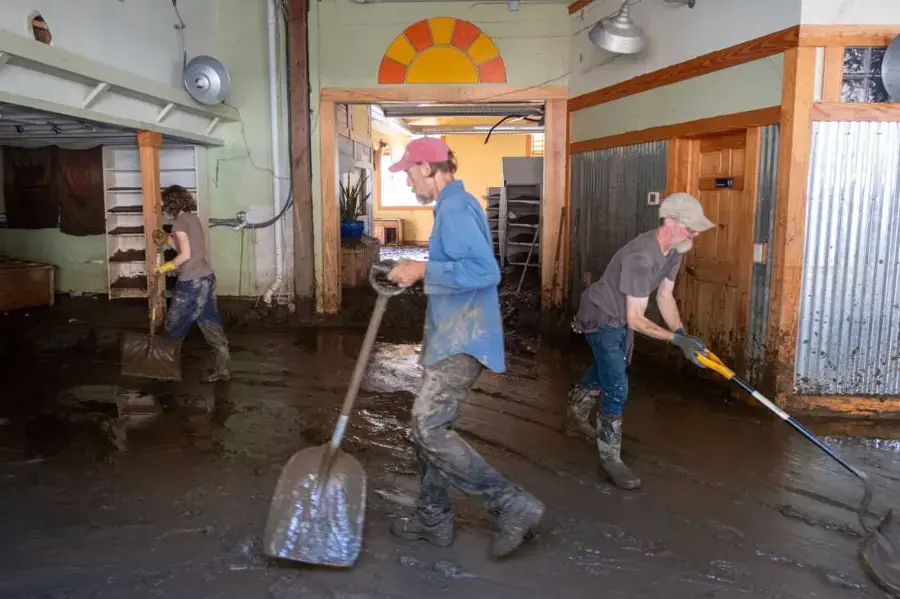
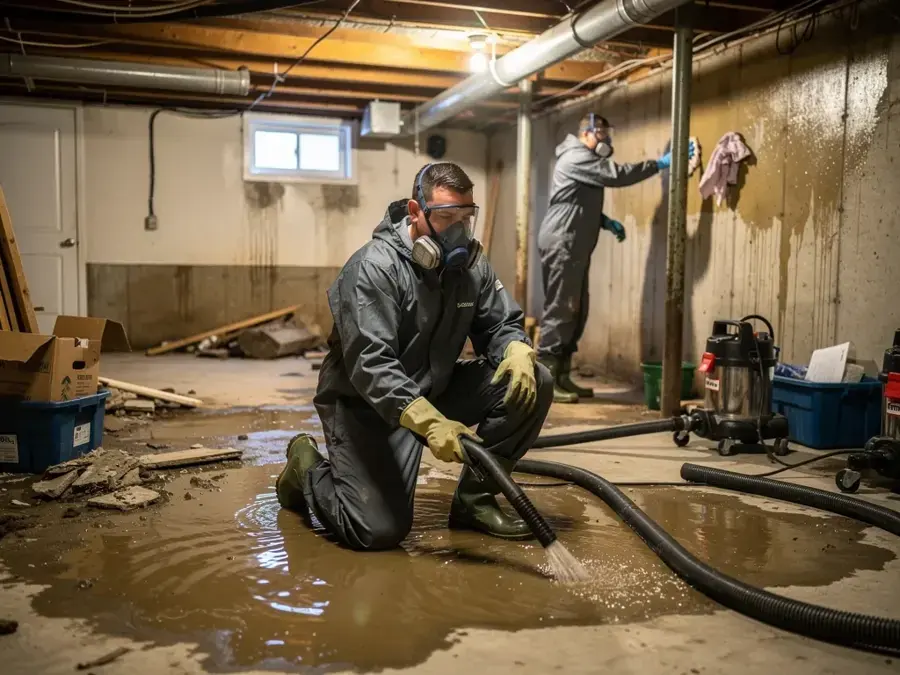 Flood Water CleanupRising water from the Rogue River, Evans Creek or Wards Creek, treated as Category 3 from the start.View service
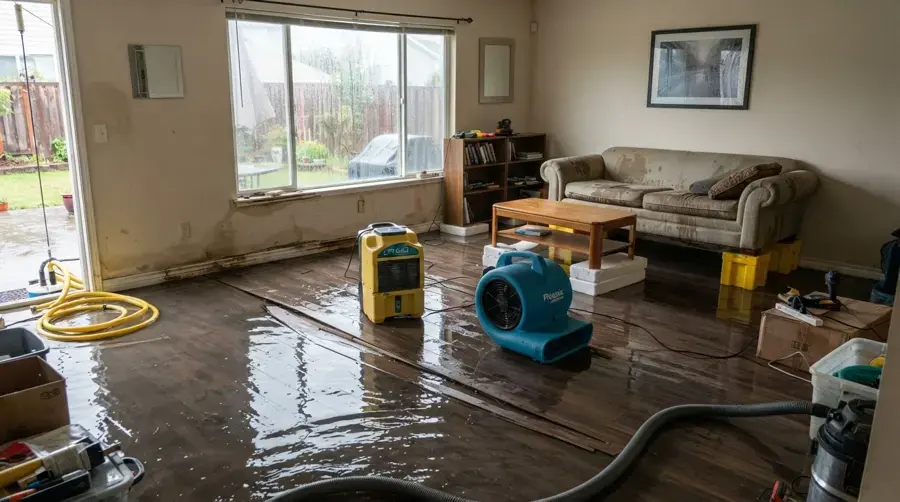 Water ExtractionStanding water pulled out fast in December, the wettest month, before it soaks pad and subfloor.View service
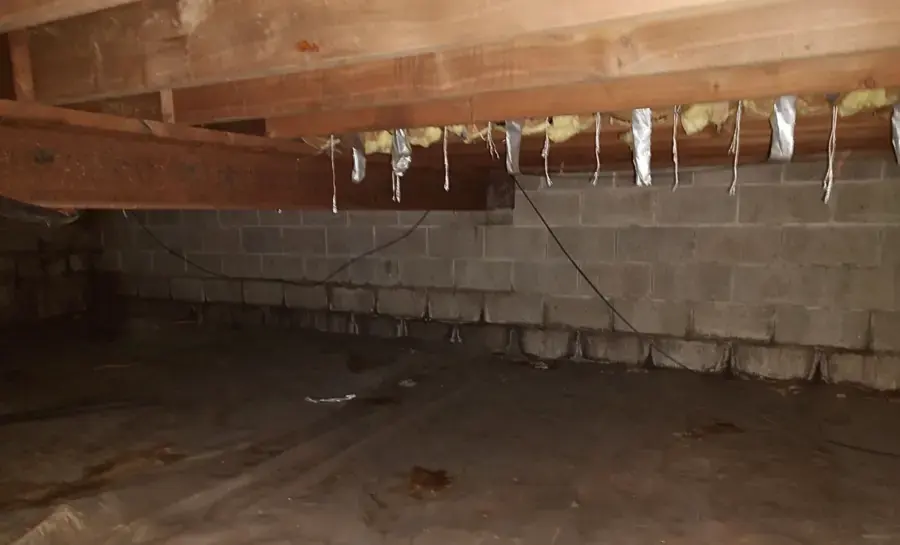 Frozen Pipe CleanupWinter lows near 33 degrees can split exposed pipe; the wet walls and floors get dried.View service
 Burst Pipe CleanupSupply pipe failures in homes from before 1939 to the 1980s, dried inside the wall.View service
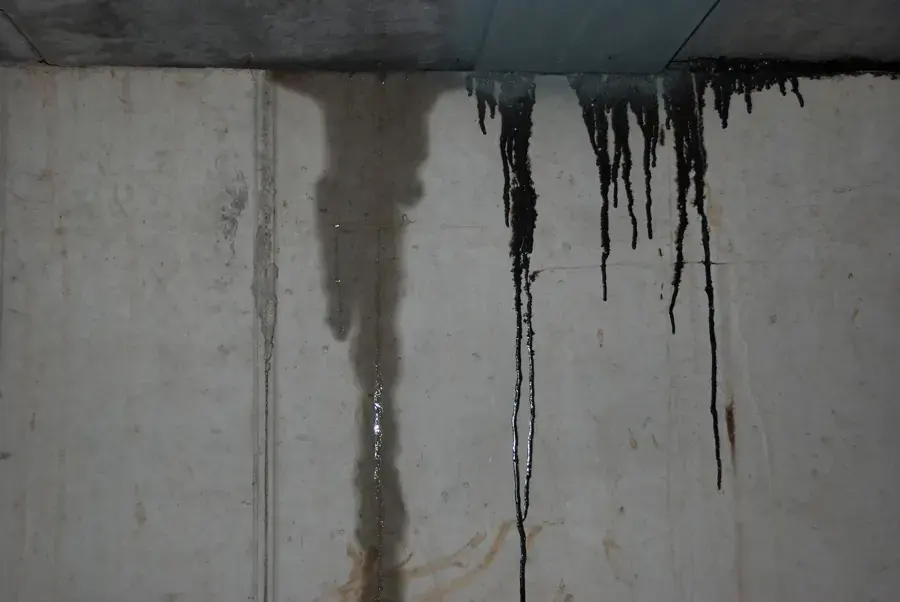 Storm Water DamageWinter rain driven through siding, windows and vents when drainage backs up along the creeks.View service
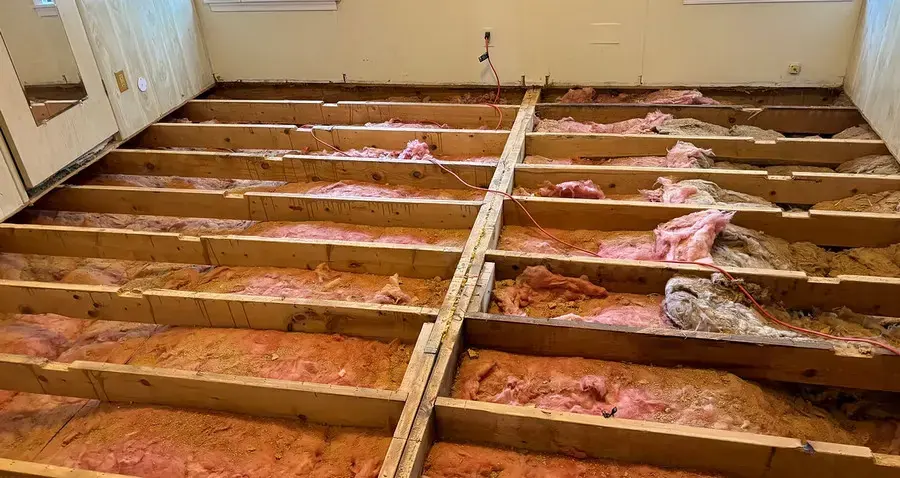
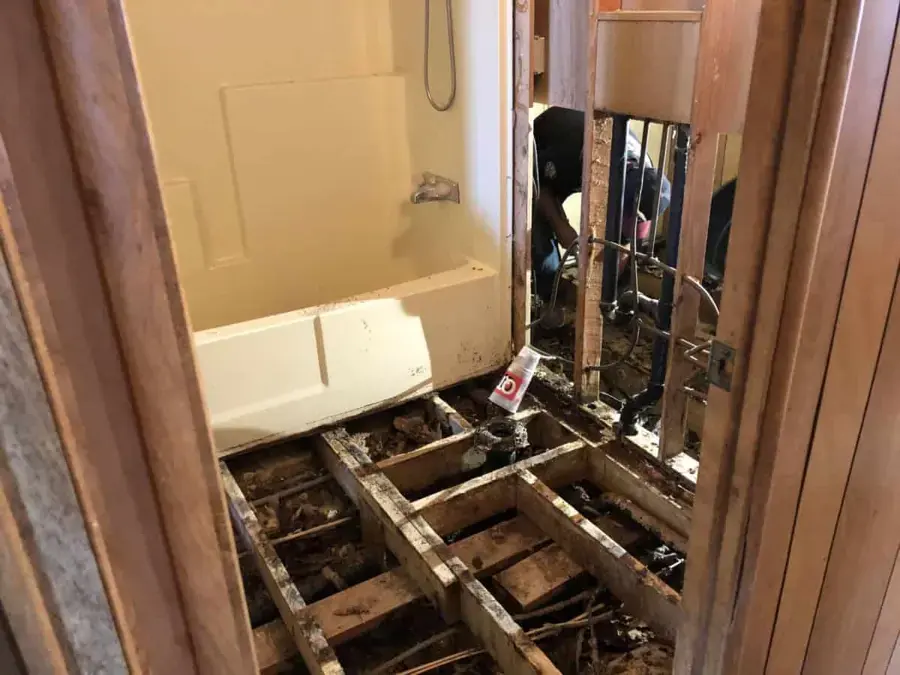 Manufactured Home Water DamageBelly insulation, underbelly pipes and swollen decking in the city's 153 manufactured homes.View service
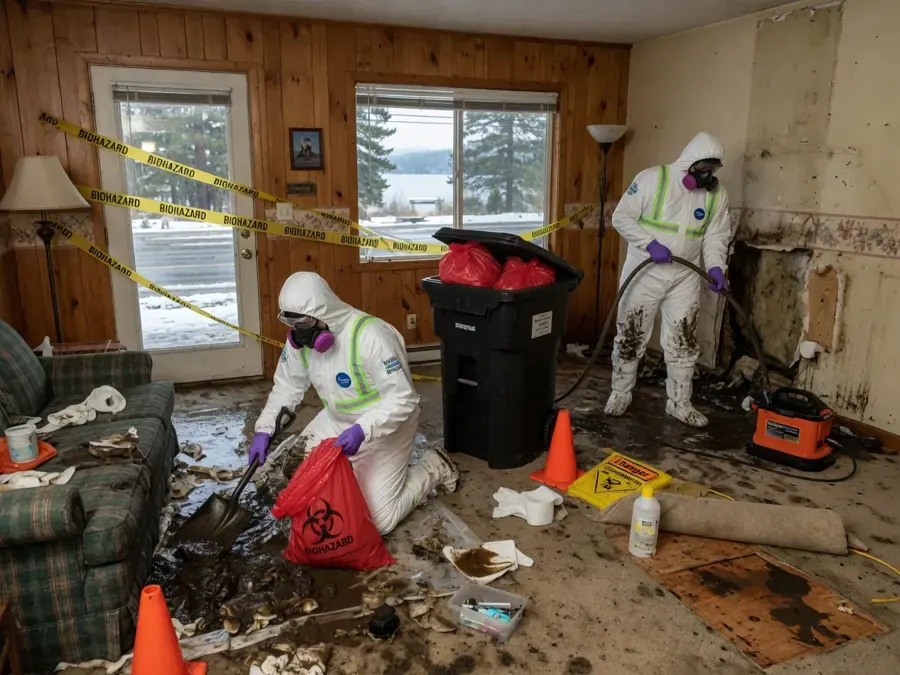 Sewage Backup CleanupBackups from the sewer system contained, removed and handled as Category 3 water.View service
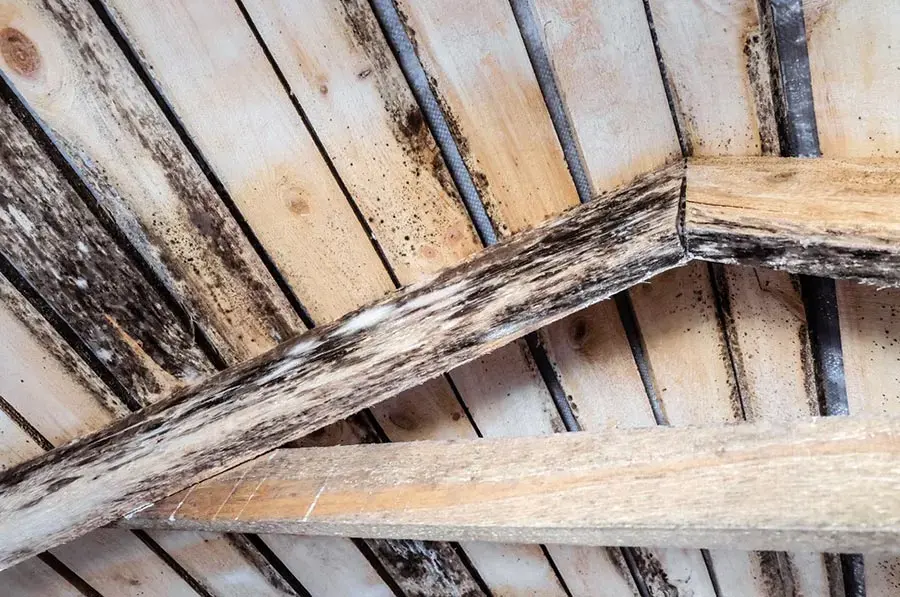 Roof Leak Water DamageRoof leaks on 1970s homes under December and January rain, dried before ceilings sag.View service
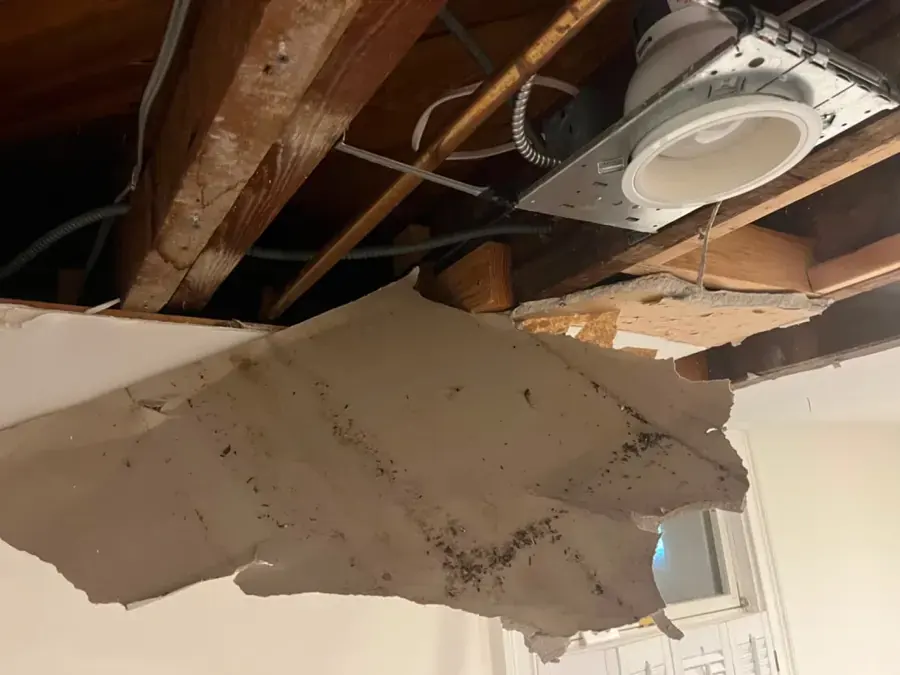 Ceiling Leak Water DamageA unit upstairs in a small apartment building leaks, and the ceiling below is opened and dried.View service
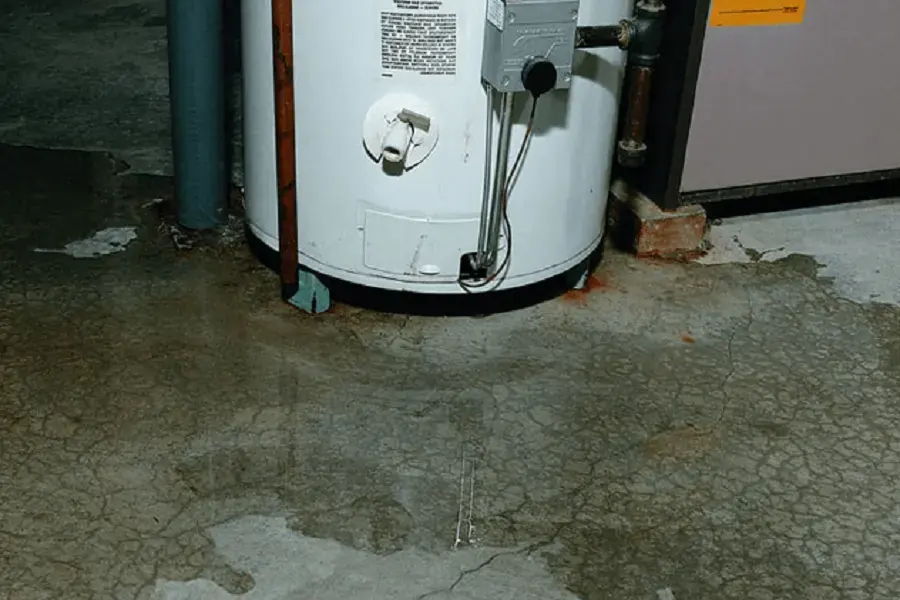 Water Heater Leak CleanupTank failures in garages and closets, with the floor, walls and cabinets around them dried.View service
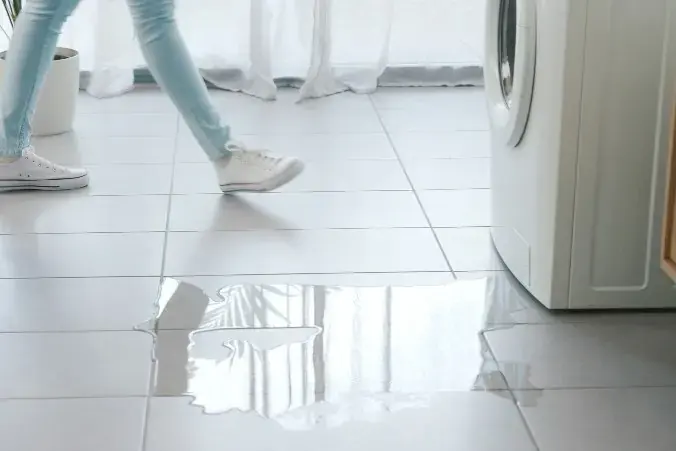 Appliance Leak CleanupWasher hoses, dishwashers and ice-maker tubes that soak a rental floor and the unit next door.View service
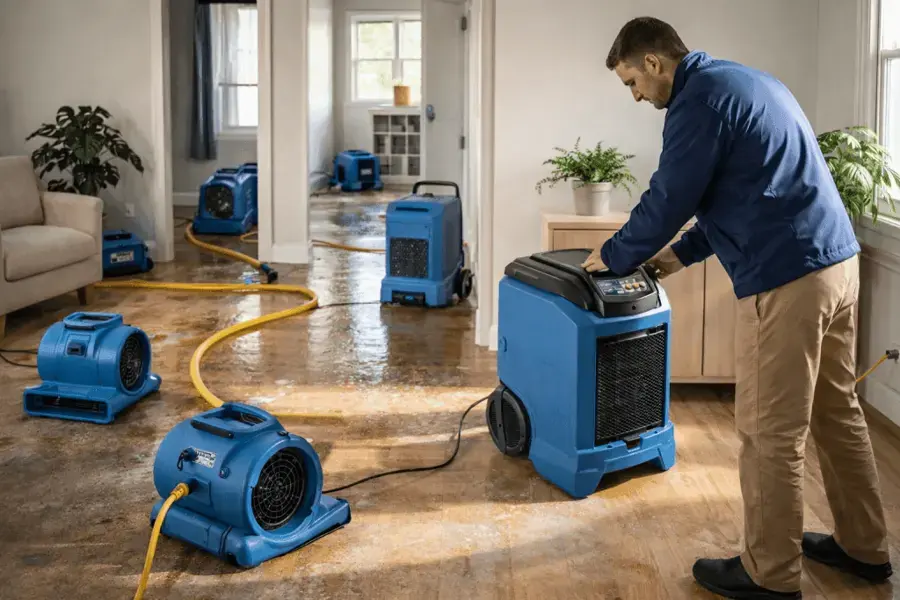 Structural DryingFraming, subfloor and wall cavities dried to readings that match dry wood in the same house.View service
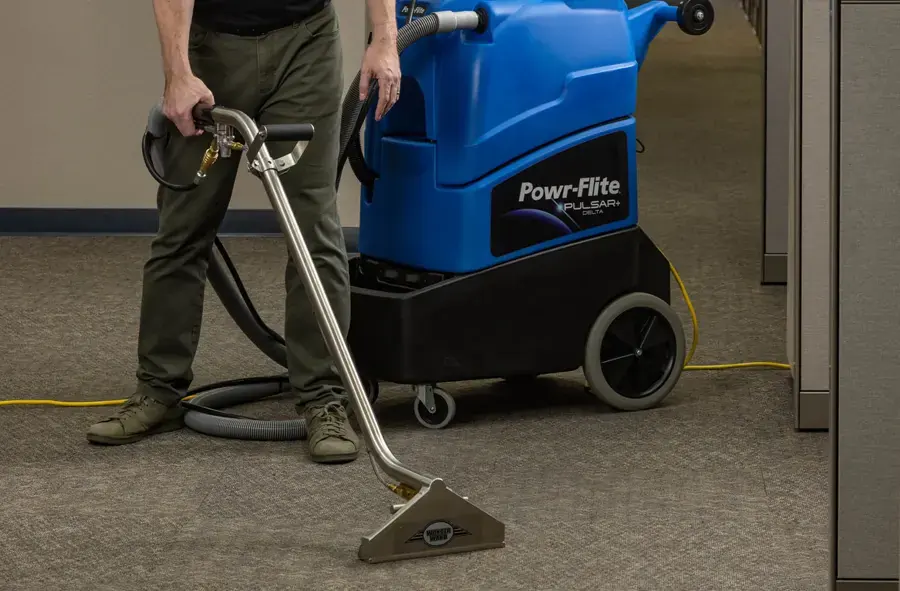 Commercial Water DamageShops and offices around Broadway and Depot Street dried in phases to stay open.View service
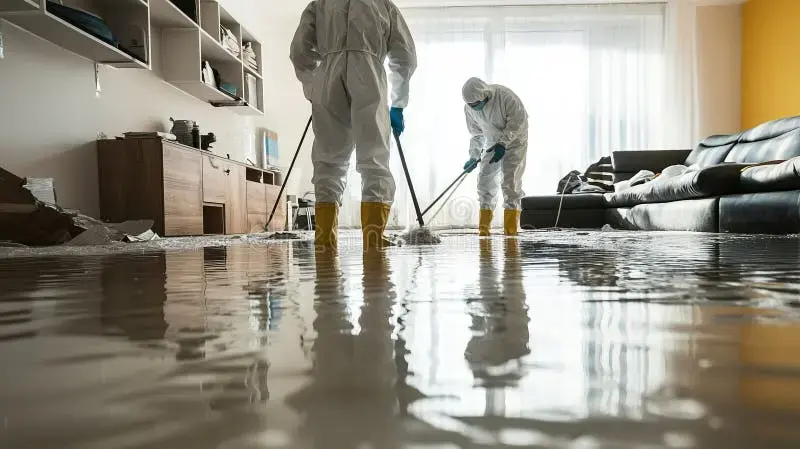
How the Rogue River restoration crew handles a water loss
Fast local response
The response team covers Rogue River around the clock, on weekends and on wet December nights, and treats water that is still moving as urgent.
IICRC S500 drying goal
The drying team follows the industry drying standard and leaves equipment running until the meters agree with dry material, not until a floor feels dry.
Claim-ready records
Each day adds moisture readings, room maps and dated photos to a drying log that an adjuster, a landlord or an owner can follow.
Older and newer homes
Homes here range from before 1939 to recent builds, plus manufactured homes and small apartment buildings, so the crew checks under floors and behind walls.
Rogue River water damage dried to IICRC S500
Readings come first, drying comes second, and the equipment stays in place until the numbers show the house is dry again.
- 1
Map the moisture
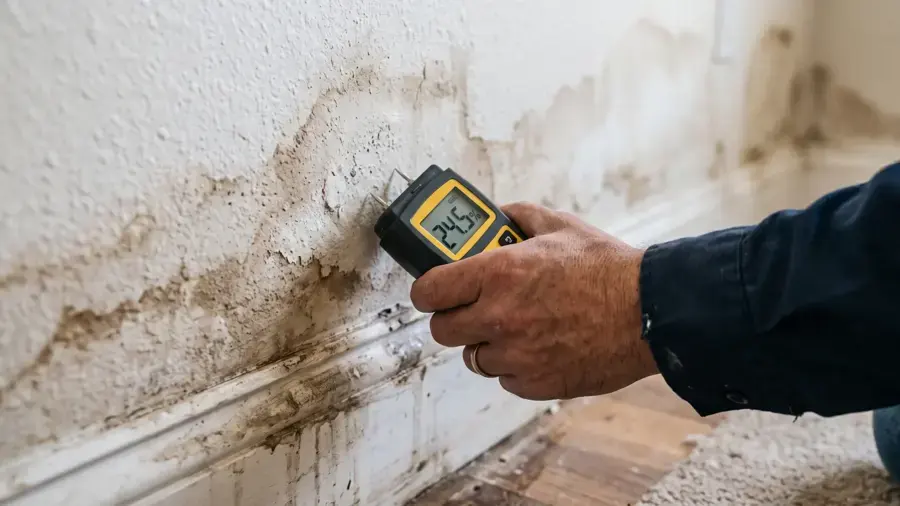
Before any equipment is set, the tech traces wet drywall, framing and flooring with pinless meters and a thermal camera.
- 2
Pull the water
The extraction crew removes standing water with truck-mounted suction and pumps out any water sitting under the house.
- 3
Size the drying
Air movers and LGR dehumidifiers are matched to each room, with desiccants added for dense hardwood and old plaster walls.
- 4
Confirm it is dry
Readings are taken every day, and the gear comes out only when materials meet the S500 drying goal.
Equipment behind a Rogue River dry-out
- Truck-mounted extractionpulls the water out and sends it outside
- Air moverssized to how fast each room needs to dry
- LGR and desiccant dehumidifierstake the moisture back out of the air
- Thermal cameras and pinless metersspot water hiding in walls and floors
- HEPA scrubbers and containmentfor sewage and creek flood water
All water damage categories covered in Rogue River, OR
Each water category gets its own cleanup and drying plan.
A cracked supply pipe, a failed water heater or a washer fill hose. It is clean at the source, so most materials can be dried where they are.
Washer drain water, a dishwasher overflow, a toilet overflow without waste, or rain pushed through a wall. Pad usually goes; hard surfaces get cleaned.
A sewer backup or water from the Rogue River, Evans Creek or Wards Creek. Anything porous it touched is removed, not dried.
Sewage backup helpWhat does water damage restoration cost in Rogue River, OR?
In Rogue River, OR, water damage restoration typically falls between $600 and $10,000 or more. A clean pipe leak found early sits near the bottom of that range; creek water inside, a sewer backup or a soaked manufactured home floor sits near the top.
- Small, clean water loss$600 to $2,500
- One or two rooms
- Most materials dried in place
- Three to four days
- Water under floors or walls$2,500 to $6,000
- Flooring or insulation removed
- Drying under the house
- Moisture logged daily
- Sewer, creek water or a full level$6,000 to $10,000+
- Category 3 cleanup
- Containment set up
- Porous materials removed
What changes the price: water category · square footage · materials · how soon drying began
For a planning range, use the water damage cost calculator or the drying time estimator.
Inside a Rogue River water damage dry-out, step by step
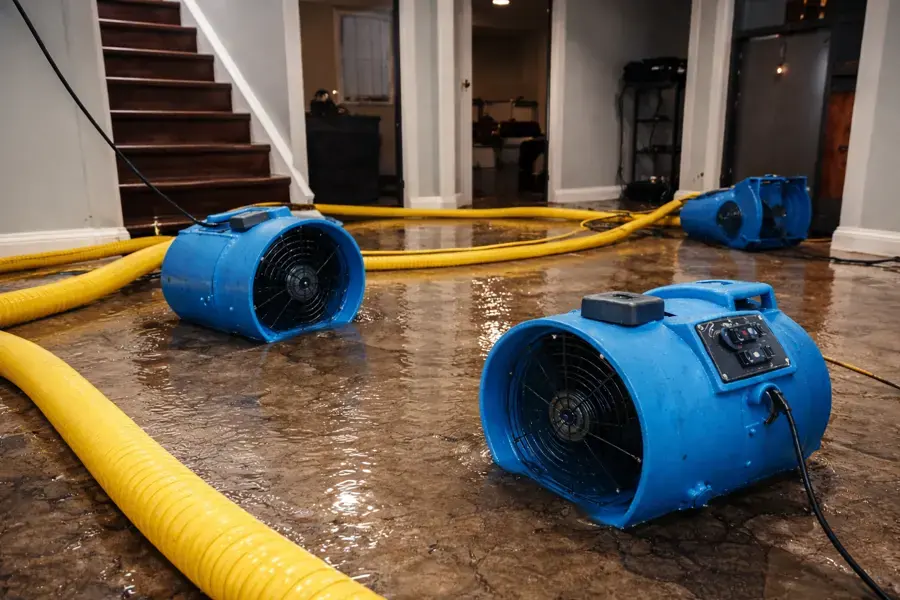
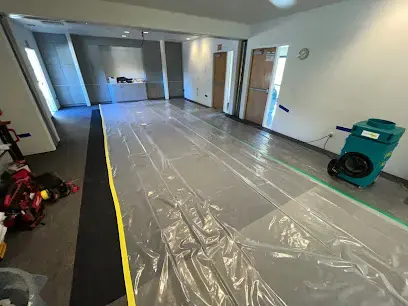
Rogue River water damage pros, on call 24/7
Rogue River water damage pros cover all of ZIP 97537, from the downtown Broadway area and the streets around First and Oak to the Depot Street and I-5 Exit 48 corridor. The drying team also works homes along West Evans Creek Road and East Evans Creek Road and in the Wards Creek area.
ZIP code
Rogue River areas
Nearby towns covered
Water damage in Rogue River, OR: the local risk profile
Rogue River sits on the north bank of the Rogue River in western Jackson County, with Evans Creek coming in from the north and Wards Creek crossing the east side. Its 1,288 homes run from houses built before 1939 to 1970s builds and manufactured homes.
- Wet winters. About 40.97 inches of rain falls in a typical year, with 8.53 inches in December alone.
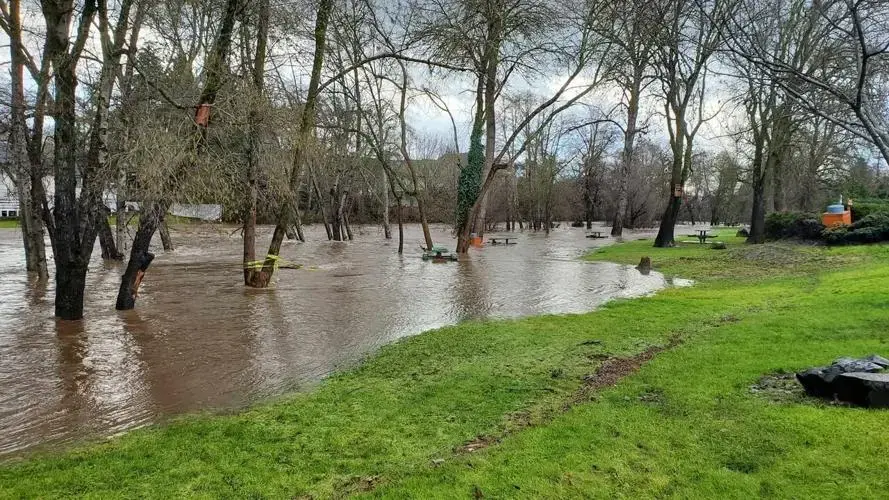
- Creek drainage. City hazard planning notes flooding from local storm water drainage along Evans Creek and Wards Creek.
- Freezing nights. January and December lows average about 33 degrees, cold enough to stress exposed pipe and outdoor hose bibs.
- Manufactured homes. The city counts 153 mobile or manufactured homes, where leaks hide under the belly until floors go soft.
- Mixed housing ages. 393 homes date from the 1970s and 53 from 1939 or earlier, so plumbing ages vary widely.
Is Rogue River served separately from Grants Pass?
Yes. Rogue River is its own city in Jackson County, ZIP 97537. It gets the same 24/7 extraction, drying and documentation used for water damage restoration in Grants Pass, with the plan built around Rogue River homes.
What should happen first when water gets into a Rogue River home?
Shut the main valve, switch off breakers for wet rooms from a dry spot and photograph every wet area before moving anything. Inside city limits the City of Rogue River supplies the water, so the main stops the flow.
Why do Evans Creek and Wards Creek matter for water damage?
City hazard planning notes that areas along both creeks are subject to flooding from local storm water drainage. That water is Category 3, and when it gets under a house the crawl space drying in Rogue River starts with a pump-out.
How long does drying take in a Rogue River house?
A contained Class 1 or 2 loss often dries in three to five days. Hardwood, plaster and water under the floor take longer, and the gear stays until readings come within 2 to 4 points of dry material elsewhere in the house.
Are manufactured homes dried differently?
Yes. Leaks often run into the belly wrap and insulation, and particleboard decking swells fast. The crew opens the belly where needed, pulls soaked insulation and dries the floor system. See manufactured home water damage.
How is a sewer backup handled in Rogue River?
The City of Rogue River collects and treats its own sewage, and Public Works has smoke-tested sewers and storm drains to find breaks. Inside the house a backup is Category 3: contained, porous materials removed, surfaces disinfected, then dried.
Can a winter freeze damage pipes here?
Yes. December and January lows average about 33 degrees, so a cold snap can freeze exposed pipe in outside walls, garages or under manufactured homes. The pipe freeze risk check scores a house in a minute.
Will homeowners insurance cover water damage in Rogue River?
A sudden pipe burst is often covered, while rising creek or river water usually needs flood coverage, and a sewer backup may need its own endorsement. Coverage depends on the policy, so check with your own insurer.
Does the 1964 flood still matter for Rogue River homes?
The FEMA Flood Insurance Study for Jackson County records that the December 1964 flood heavily damaged the area around the city. City code also has a Flood Damage Prevention chapter for special flood hazard areas inside city limits.
Water on the floor in Rogue River? Call now.
The extraction crew removes the water and the drying team brings the house back to a dry reading.
(888) 373-8814Start the Rogue River dry-out now