Flood Water Cleanup in Jacksonville, OR
Jackson Creek and Daisy Creek are the two main flood sources in Jacksonville, and heavy snow met by sudden warm rain sets them off. The restoration team treats the water as Category 3, removes what it soaked and dries the rest.
(888) 373-8814Creek water inside? Call for flood cleanup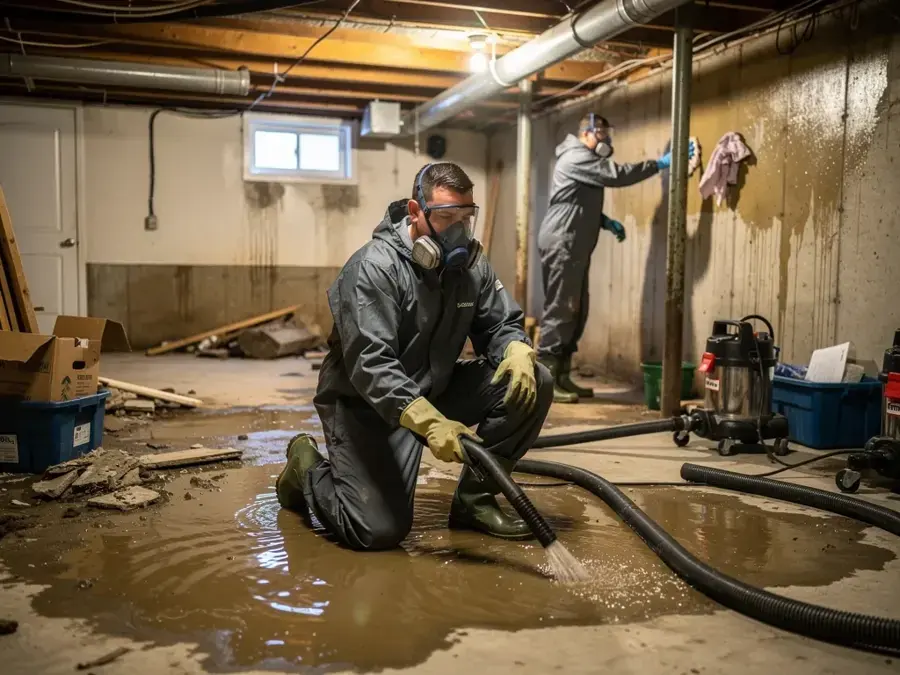
First steps when creek water enters a Jacksonville building
Do now
- 1Stay out of it. Floodwater can carry sewage and hide live wiring, so wait on dry ground instead of wading through
- 2Respect the panel. Switch off the main only from a dry spot, and leave a flooded panel untouched and contact Pacific Power
- 3Document the waterline. Photograph the high-water mark on walls and every ruined item before cleanup begins
- 4Call for extraction. Report the depth, which floors are wet and where the water entered, so the right pumps and gear are loaded
Hold off
- Wading in water near outlets or appliances
- Running the furnace to dry soaked rooms
- Keeping soaked carpet or pad to dry later
How flood water cleanup is handled by the Jacksonville restoration crew
Flood work removes before it dries. Contaminated materials go first, then the structure is cleaned and set up for drying.
Rapid local response
The response team works day and night across Jacksonville and the Rogue Valley, weekends and storm nights included, and treats active water as urgent.
IICRC S500 drying standard
The drying team works to the industry drying standard and pulls equipment only when readings say dry, not when a surface looks dry.
Claim-ready documentation
Moisture maps, daily readings and timestamped photos go into a drying log that an adjuster, a landlord and the owner can all read.
Rogue Valley water experts
Crawl spaces, manufactured homes, wells, septic systems and old galvanized pipe are everyday work, so the crew checks under the floor, not just the wet room.
What does flood water cleanup cost in Jacksonville, OR?
In Jacksonville, OR, flood water cleanup typically runs $3,000 to $25,000 or more. A few inches in one low space sits at the low end; water across the floor and up the walls of a whole level sits at the high end.
- A few inches, one area$3,000 to $7,000
- Water pumped out
- Wet materials removed
- Surfaces disinfected
- Water over the floor$7,000 to $15,000
- Carpet and pad removed
- Walls cut above the waterline
- Containment up
- Deep water, full level$15,000 to $25,000+
- Contents removed
- Extensive demolition
- Air scrubbers running
The drivers are the water category, the square footage, the material class and how fast drying started. For a planning range, try the water damage cost calculator.
The flood water cleanup process in Jacksonville
- 1
Get the water out
Trash pumps and truck-mounted extractors clear the standing water while the crew wears respirators, boots and gloves.
- 2
Remove the contaminated
Carpet, pad, wet insulation and drywall that the water reached are cut out and bagged, since porous material cannot be made clean.
- 3
Clean and disinfect
Hard surfaces and framing are washed and treated with an EPA-registered antimicrobial before any drying equipment is set.
- 4
Dry and verify
LGR dehumidifiers and air movers run until meters match dry material, and the readings go into the claim file.
Flooding in Jacksonville usually follows heavy snowfall combined with sudden warm rain. Jackson Creek and Daisy Creek are the two main flood sources, and Walker Creek and the Phoenix Canal of the Medford Irrigation District also cross the area. The point where the canal meets Jackson Creek is a specific flood concern, which is why a quick thaw after a snowy week deserves attention.
What the 1997 flood showed
During the New Year's Flood of December 1996 and January 1997, Daisy Creek went over its banks in Jacksonville. Water damage reached Third Street over to Pheasant Meadows and Widean Lane, and a clogged ditch sent a sheet of water across Highway 238 at Hanley Road, hiding the roadway. The lesson for owners is that flood water can arrive through a ditch or a drain, not only over a creek bank.
Mapped zones and everything outside them
Parts of town sit in mapped FEMA flood zones, and Jackson Creek is expected to flood only within a narrow corridor. Still, areas outside any mapped floodplain can flood from small unmapped streams and local storm drainage, so a home that looks safe on a map can still take water. Jacksonville also adopted flood Ordinance 610, which makes flood risk a recognized part of local planning, and City of Jacksonville Public Works maintains the storm water collection that carries runoff away.
Category 3 from the first minute
Creek water carries soil and bacteria, and the Jacksonville sewer system can overflow during flood events. Because of that, the crew treats every flood loss as Category 3: porous materials are removed, framing is cleaned, and drying starts only after that. Old plaster and masonry dry slowly, so meters check inside the walls before anyone decides what stays. Where sewage is involved, sewage backup cleanup in Jacksonville adds containment, and water extraction in Jacksonville handles the pump-out.
Where flood water cleanup is handled around Jacksonville
Jacksonville water damage pros work throughout ZIP 97530, from the Historic District and the streets around California Street and Oregon Street to Pheasant Meadows, the Woodlands hillside and Britt Gardens. Crews also reach Royal Mobile Estates, the Third Street area and Oregon Highway 238.
See every area coveredRelated water damage services in Jacksonville
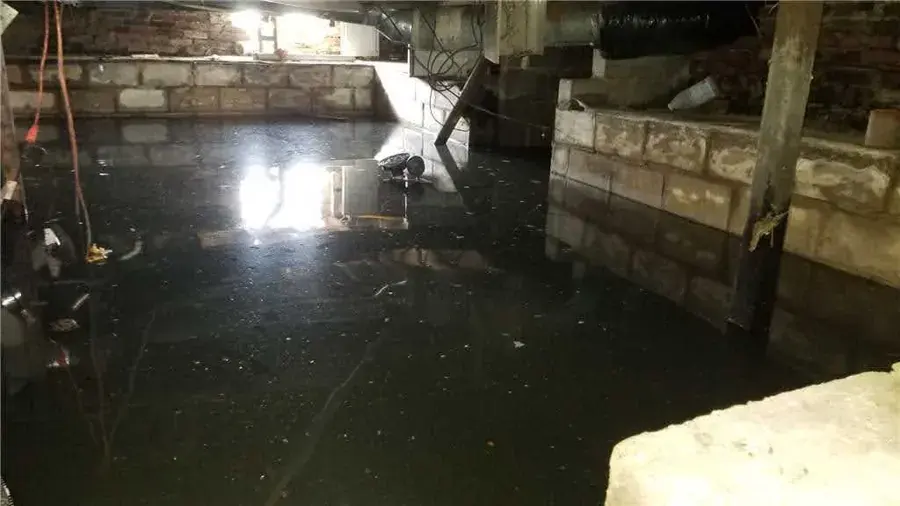 Crawl Space Water Damage in JacksonvilleWhere a home has a crawl space, water beneath the floor is pumped out and the framing dried.View service
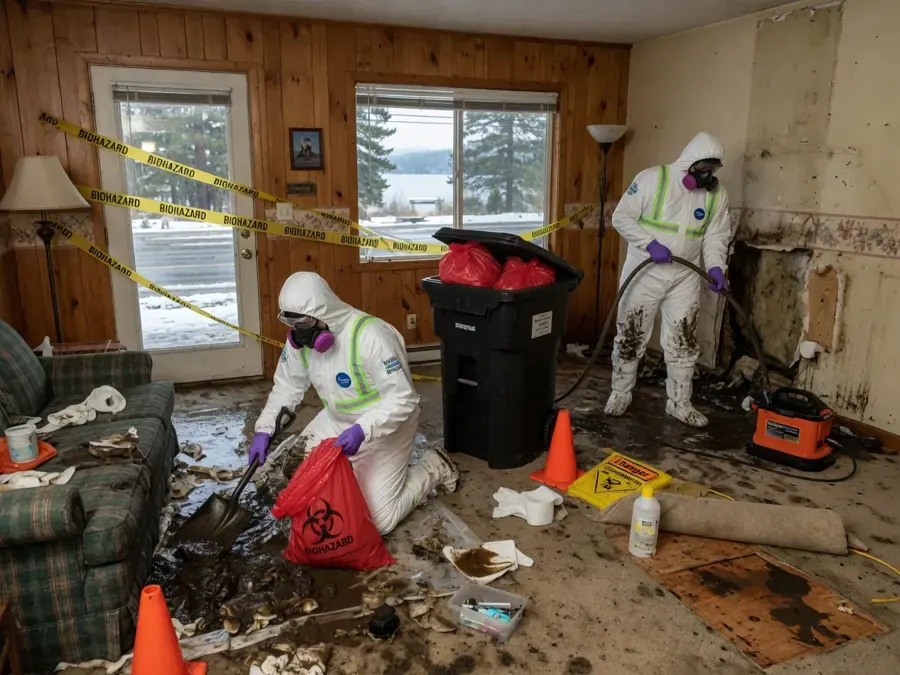 Sewage Backup Cleanup in JacksonvilleOverflows from the public sewer or a blocked drain contained, removed and treated as Category 3.View service
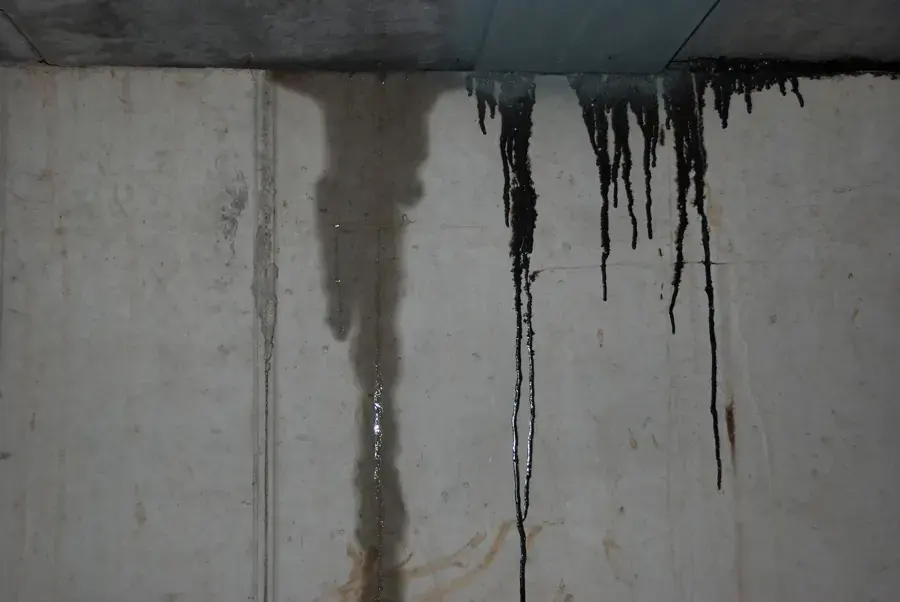 Storm Water Damage in JacksonvilleSnowmelt and warm rain pushed through roofs, windows and overloaded storm drainage.View service
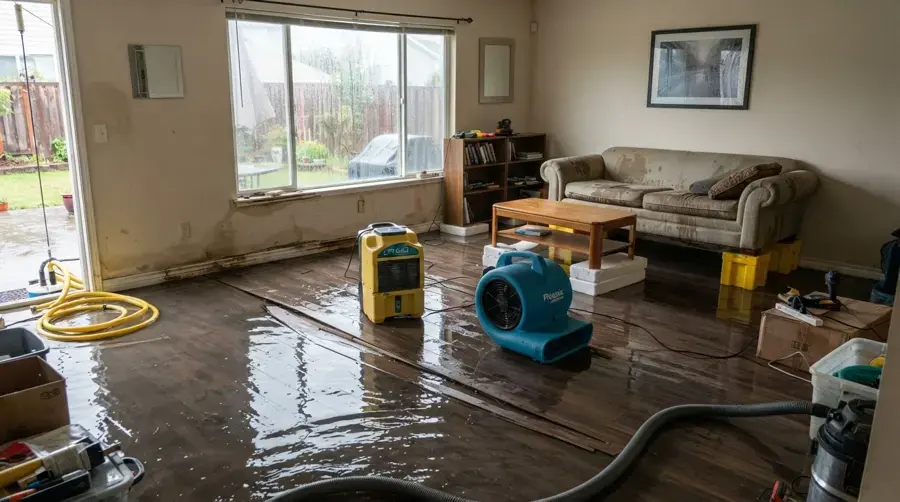 Water Extraction in JacksonvilleStorm rain, creek overflow or a failed pipe: standing water is pulled out before it wicks into plaster.View service
Flood Water Cleanup in Grants PassRising water from the Rogue River or a town creek, handled as Category 3 from the first step.View service
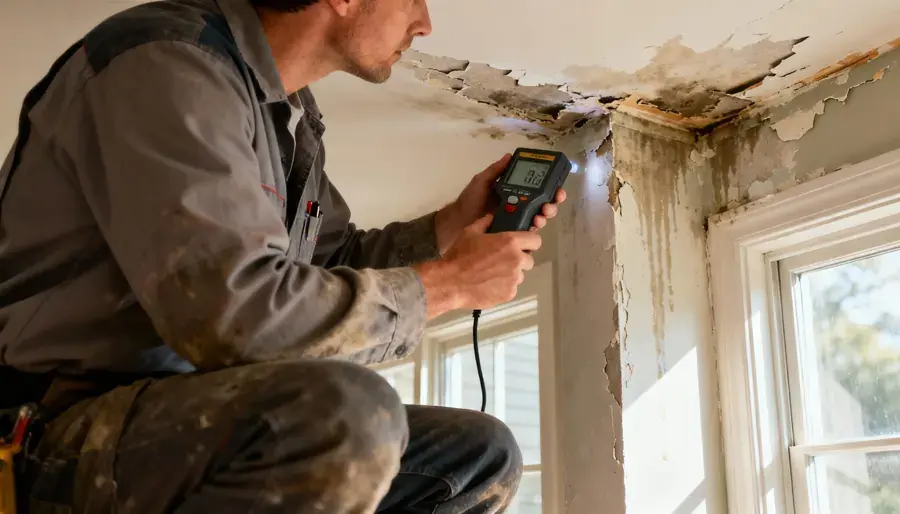 Water damage restoration in JacksonvilleAll fourteen services are tailored to Jacksonville's historic masonry, creek corridors, hillside streets and owner-occupied homes.View the town page
Which creeks flood in Jacksonville?
Jackson Creek and Daisy Creek are the two main flood sources. Walker Creek and the Phoenix Canal of the Medford Irrigation District also cross the area, and the canal's junction with Jackson Creek is a flagged flood concern.
What weather causes the flooding?
Heavy snowfall combined with sudden warm rain. Melt and rain together overwhelm creeks and storm drains, so a snowy week followed by a warm storm is the pattern to watch.
Can a building flood outside the FEMA zone?
Yes. Areas outside mapped floodplains can still flood from small unmapped streams and local storm drainage. A map shows the expected corridor, not every path water can take.
Why is flood water always Category 3?
It has crossed soil, yards and drains, and it can mix with sewage when the sewer system overflows, which it can in Jacksonville during floods. Porous materials it touched are removed rather than dried.
How long does a flood dry-out take?
Expect roughly a week or more for cleanup and drying, longer for deep water or dense masonry. Structural drying in Jacksonville gear stays until readings match a dry reference, not until a set day.
Does homeowners insurance cover creek flooding?
Usually not by itself. Rising creek water generally falls under flood coverage, while a sudden pipe burst falls under standard coverage. Policies differ, so confirm with your insurer and photograph the waterline before cleanup.
Creek water in your Jacksonville building? Call now.
The extraction crew clears the water, removes what it contaminated and dries the structure back to a verified reading.
(888) 373-8814Start the flood cleanup now