Water Extraction in Jacksonville, OR
Jacksonville takes about 21 inches of rain a year, mostly in fall and winter, so standing water can come from a storm, a creek or a failed pipe. The extraction crew pumps it out fast, before it wicks into plaster and framing.
(888) 373-8814Water on the floor? Call for a pump-out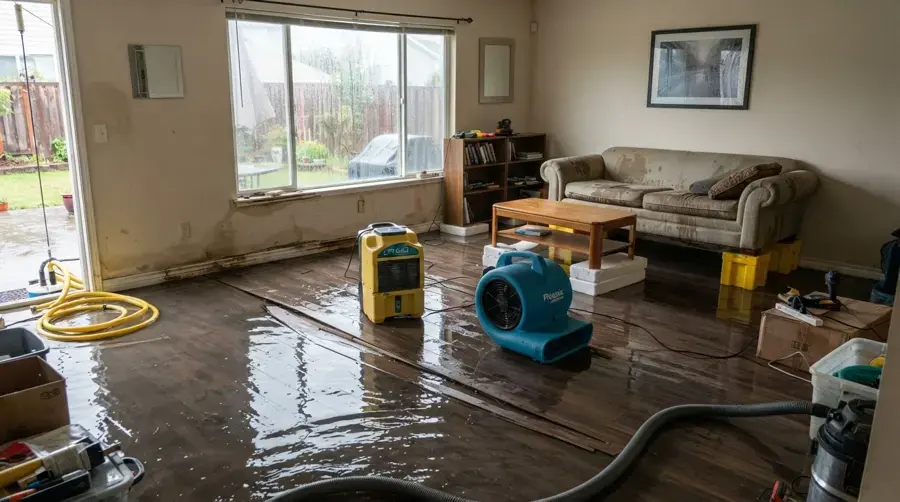
First steps when water is standing in a Jacksonville home
Do now
- 1Stop the source. For a pipe, close the main where the service enters the building; for storm water, note where it is getting in
- 2Cut the power. Switch off breakers for wet rooms from a dry floor, and keep cords and power strips out of the water
- 3Lift and photograph. Raise furniture legs onto foil, move small items up, then photograph the waterline before anything is mopped
- 4Call with the details. Tell the dispatcher how deep the water is, which rooms are wet and whether a shared wall is involved
Hold off
- Using a household vacuum on standing water
- Walking through water that touches outlets
- Mopping before the water is mapped
How water extraction is handled by the Jacksonville restoration crew
Extraction is the first hour of a longer job. Water pulled out early leaves far less for the dehumidifiers to chase through the structure.
Rapid local response
The response team works day and night across Jacksonville and the Rogue Valley, weekends and storm nights included, and treats active water as urgent.
IICRC S500 drying standard
The drying team works to the industry drying standard and pulls equipment only when readings say dry, not when a surface looks dry.
Claim-ready documentation
Moisture maps, daily readings and timestamped photos go into a drying log that an adjuster, a landlord and the owner can all read.
Rogue Valley water experts
Crawl spaces, manufactured homes, wells, septic systems and old galvanized pipe are everyday work, so the crew checks under the floor, not just the wet room.
What does water extraction cost in Jacksonville, OR?
In Jacksonville, OR, water extraction typically runs $400 to $3,500 for the pump-out and the first drying setup. A clean leak in one room sits low; deep water across several rooms, or Category 3 water, sits high.
- One room, clean water$400 to $1,200
- One extraction pass
- Pad lifted if soaked
- Fans set the same visit
- Several rooms$1,200 to $2,500
- Whole floor extracted
- Wet baseboards pulled
- Dehumidifiers added
- Deep or black water$2,500 to $3,500+
- Pumps and wands
- Category 3 handling
- Protective gear worn
The drivers are the water category, the square footage, the material class and how fast drying started. For a planning range, try the water damage cost calculator.
The water extraction process in Jacksonville
- 1
Assess the water
The technician checks depth, source and category first, because creek water and sewage change the whole plan before a pump starts.
- 2
Pull the bulk
Truck-mounted extractors and portable pumps take down standing water, and weighted wands press pad and carpet to lift what soaked in.
- 3
Open the low spots
Baseboards, toe-kicks and wall bottoms get checked for trapped water, since plaster and drywall pull moisture upward.
- 4
Hand off to drying
Once surface water is gone, meters map what is still wet and the dehumidifiers and air movers take over.
In Jacksonville, standing water rarely has one cause. The town gets about 21 inches of rain a year, mostly in fall and winter, and flooding usually follows heavy snow met by sudden warm rain. Add burst pipes, appliance failures and creek overflow, and the first job is often the same: get the water out before it settles into walls and floors, where every extra hour adds drying time. Winter storms also close roads here, so a loss that starts at night may not be easy to reach, and early phone details help the crew load the right pumps.
Storm water and plumbing water are different jobs
A failed supply pipe gives clean water that can often be extracted and dried in place. Water that arrived through local storm drainage, or from Jackson Creek or Daisy Creek, is Category 3 and brings soil with it, so the extraction crew wears protective gear and removes porous materials instead of trying to save them. Areas outside mapped floodplains can still take water from small unmapped streams, which means a flooded floor does not always mean a failed pipe.
Old walls hold on to water
Plaster, masonry and shared walls in the historic core draw water up from the floor. Extraction here includes checking the bottom of every wall, not just the carpet, because a dry-looking surface can sit on a wet base. Many downtown buildings predate current building codes, and about 37 percent of residential buildings townwide were built before 1990, so the crew works gently around trim and old finishes.
What happens after the pump-out
Extraction removes liquid water; it does not dry the building. Meters and a thermal camera map what remains wet, then structural drying in Jacksonville takes over with air movers and dehumidifiers. When the water came from a rising creek, flood water cleanup in Jacksonville covers the added disinfection, and a crawl space pump-out handles water beneath the floor.
Where water extraction is handled around Jacksonville
Jacksonville water damage pros work throughout ZIP 97530, from the Historic District and the streets around California Street and Oregon Street to Pheasant Meadows, the Woodlands hillside and Britt Gardens. Crews also reach Royal Mobile Estates, the Third Street area and Oregon Highway 238.
See every area coveredRelated water damage services in Jacksonville
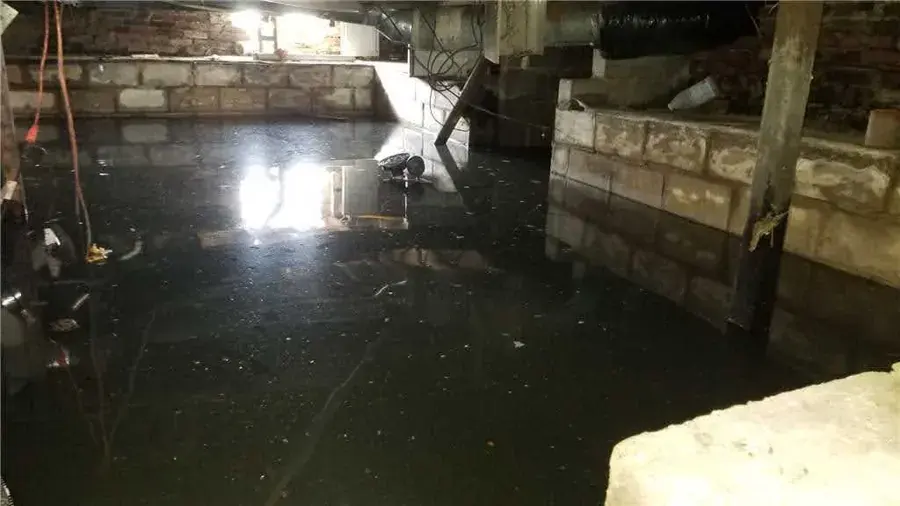 Crawl Space Water Damage in JacksonvilleWhere a home has a crawl space, water beneath the floor is pumped out and the framing dried.View service
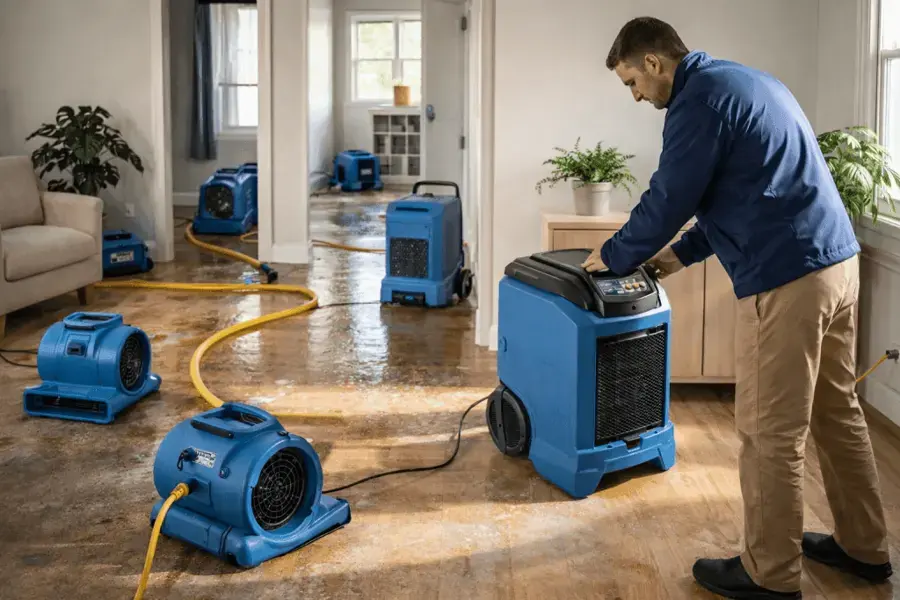 Structural Drying in JacksonvilleOld masonry, plaster and framing dried carefully, with readings logged against a clear goal.View service
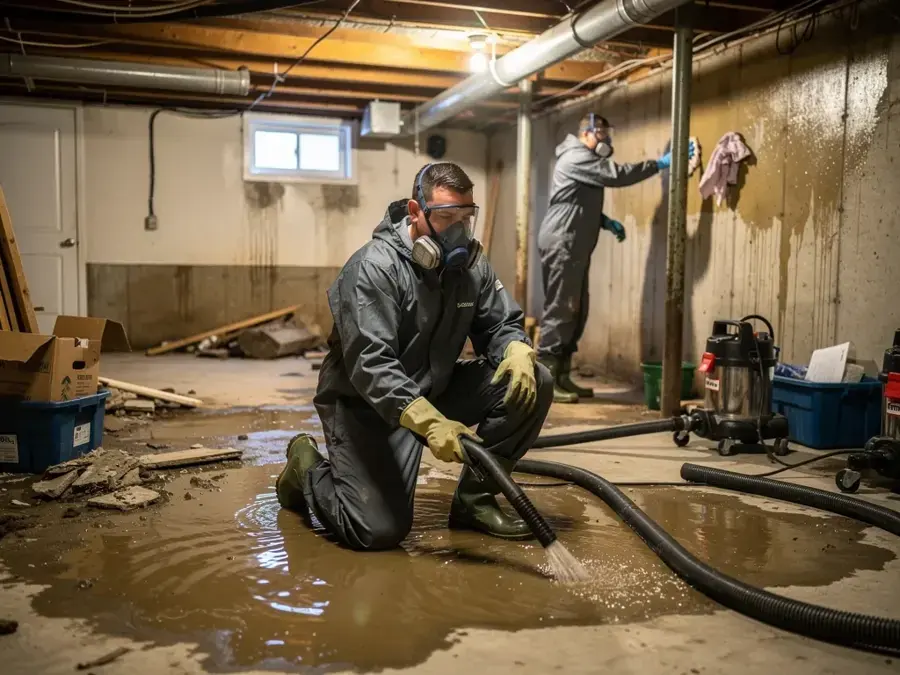 Flood Water Cleanup in JacksonvilleJackson Creek or Daisy Creek overflow is treated as black water from the first step.View service
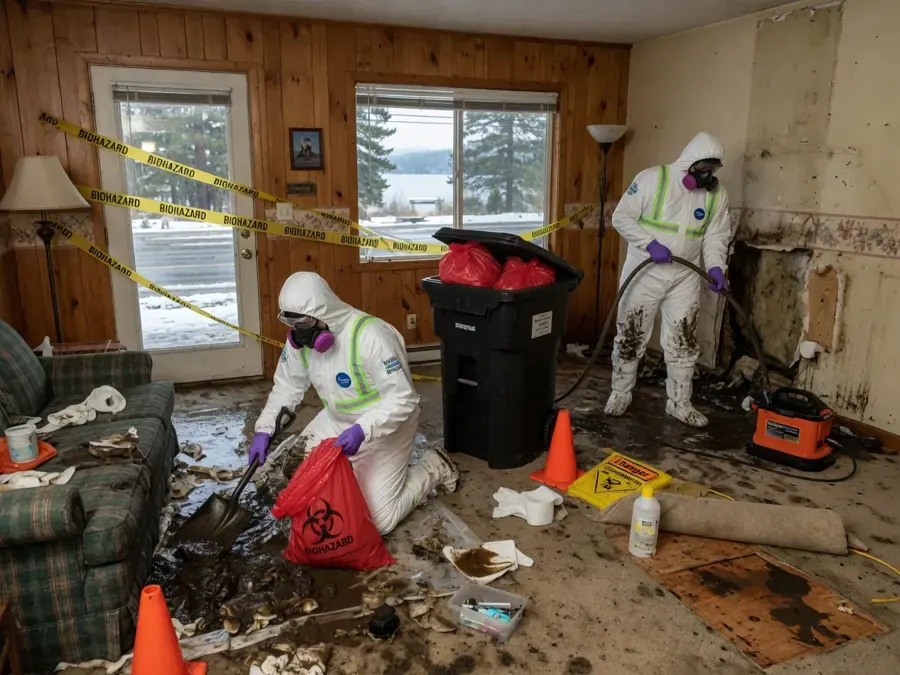 Sewage Backup Cleanup in JacksonvilleOverflows from the public sewer or a blocked drain contained, removed and treated as Category 3.View service
Water Extraction in Grants PassTruck-mounted and portable extraction pulls standing water before it wicks into pad, subfloor and walls.View service
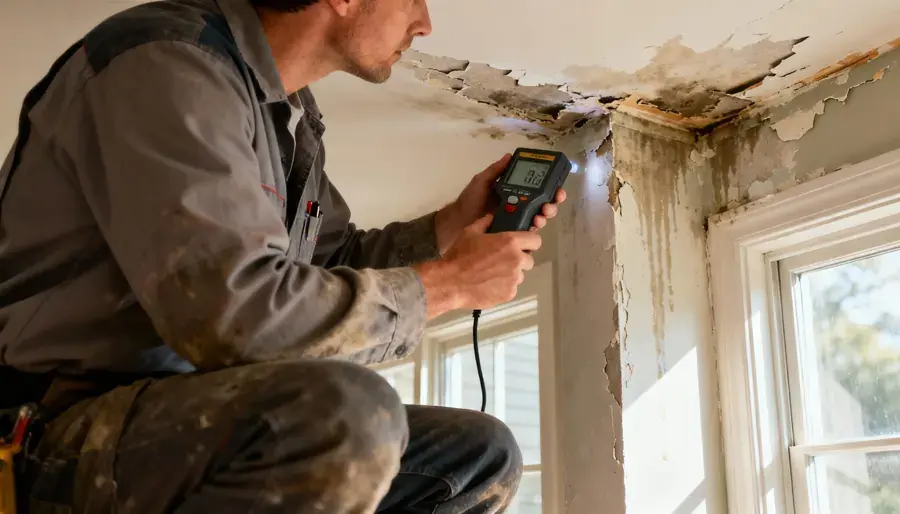 Water damage restoration in JacksonvilleAll fourteen services are tailored to Jacksonville's historic masonry, creek corridors, hillside streets and owner-occupied homes.View the town page
How soon should standing water be pulled out?
As early as possible. Water soaks carpet pad and wicks up plaster within hours, and wet framing can start growing mold within 24 to 48 hours. Early extraction shortens drying and keeps more of the floor in place.
Can a household wet vac handle it?
A shop vacuum handles a spill, not a flooded room. It leaves water in pad and subfloor, and running one near wet outlets is a shock risk. Truck-mounted units move far more water and reach what sits under carpet.
Is storm water extracted differently from pipe water?
Yes. Storm or creek water is Category 3, so porous materials are removed rather than dried and the crew wears protective gear. Pipe water starts clean, and carpet and pad can often be saved if it is caught early.
Can water travel through a shared wall?
It can. Shared walls are common downtown, and moisture passes through them. The crew meters the wall bottoms on both sides of a shared wall to see how far the water traveled.
When does drying begin after the pump-out?
Drying gear usually goes in during the same visit, once the pump-out finishes. A contained loss then needs about three to five days of air movers and dehumidifiers, and longer for thick masonry and plaster.
Does insurance cover extraction costs?
Policies often cover sudden pipe or appliance discharge, while rising creek water usually needs flood coverage. Coverage depends on the policy, so check with your own insurer and keep the photos and moisture readings for the file.
Standing water in Jacksonville? Call now.
The extraction crew removes the water first, and the drying team stays until the structure reads dry again.
(888) 373-8814Get the water pumped out