Structural Drying in Jacksonville, OR
Jacksonville's Historic District is a National Historic Landmark with more than 100 historic buildings, and most of downtown is unreinforced masonry. The drying team sets equipment around old plaster and shared walls and dries to a measured reading.
(888) 373-8814Walls still wet? Call for structural drying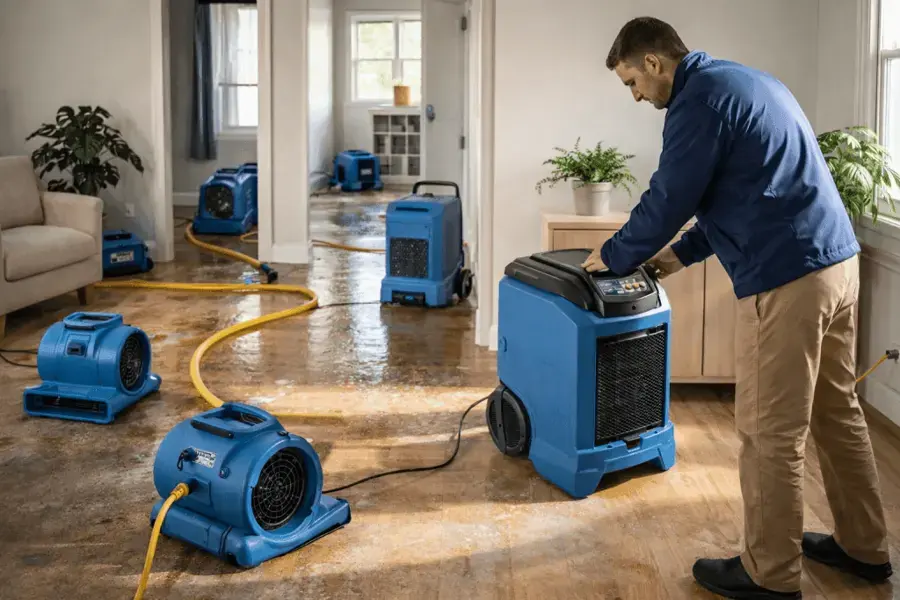
First steps while a Jacksonville building is still wet
Do now
- 1Stop the water. Shut the main or the leaking supply valve, and call extraction first if standing water is still present
- 2Keep air moving gently. Open doors between wet and dry rooms so air can circulate, but keep fans off sewage-affected areas
- 3Protect the finishes. Lift rugs and art off walls and floors, and avoid sealing wet plaster or woodwork with paint or tape
- 4Photograph, then call. Record stains and the water mark on walls, then report how old the building is and what the walls are made of
Hold off
- Turning up the heat to bake the walls
- Sealing wet plaster with paint
- Removing trim before it is metered
How structural drying is handled by the Jacksonville restoration crew
Drying is measured, not guessed, and meters set the goal and decide when the equipment has finished its work.
Rapid local response
The response team works day and night across Jacksonville and the Rogue Valley, weekends and storm nights included, and treats active water as urgent.
IICRC S500 drying standard
The drying team works to the industry drying standard and pulls equipment only when readings say dry, not when a surface looks dry.
Claim-ready documentation
Moisture maps, daily readings and timestamped photos go into a drying log that an adjuster, a landlord and the owner can all read.
Rogue Valley water experts
Crawl spaces, manufactured homes, wells, septic systems and old galvanized pipe are everyday work, so the crew checks under the floor, not just the wet room.
What does structural drying cost in Jacksonville, OR?
In Jacksonville, OR, structural drying typically runs $1,000 to $7,000, based on how many rooms are wet and how dense the materials are. One room of drywall and carpet sits low; thick masonry, plaster and several rooms sit high.
- One or two rooms$1,000 to $2,500
- Drywall and carpet dried
- Fans and a dehumidifier
- Short equipment stay
- Several rooms$2,500 to $5,000
- Plaster and framing dried
- Floor or cavity drying
- Daily logs
- Dense materials$5,000 to $7,000+
- Masonry and hardwood
- Desiccant dehumidifiers
- Longer equipment stay
The drivers are the water category, the square footage, the material class and how fast drying started. For a planning range, try the water damage cost calculator.
The structural drying process in Jacksonville
- 1
Set a reference
The technician meters dry material elsewhere in the building to set the target that wet material must reach.
- 2
Place the equipment
Air movers and LGR dehumidifiers are sized to each room, with desiccant units for dense masonry and plaster.
- 3
Monitor daily
Moisture and humidity readings are logged each day, and equipment is moved as areas reach the target.
- 4
Release the gear
Equipment leaves once readings sit within a few points of the dry reference, and the logs go to the claim file.
Structural drying is where Jacksonville's building stock matters most. The Jacksonville Historic District was designated a National Historic Landmark in 1966 and has more than 100 historic buildings. The historic core has houses and commercial buildings from the 1850s through the 1880s, and many are not built to current building codes.
Masonry and shared walls
Most of the downtown core is made of unreinforced masonry buildings, many with shared walls. Masonry and plaster hold water longer than modern drywall and can look dry on the surface while wet inside, so the drying team meters deep, not just wide. Drying runs slower and gentler, because forcing heat into old walls can crack plaster. Many downtown buildings predate current building codes, so walls, floors and finishes vary from one address to the next and a single dry reference rarely fits the whole structure.
- Moisture is mapped before any equipment is placed.
- Airflow is aimed along walls, not blasted at plaster.
- Desiccant units are used for dense masonry.
- Both sides of a shared wall are metered.
Newer homes follow the same steps
Not every building is historic. Pheasant Meadows is a subdivision of 1990s single-family homes, and about 37 percent of residential buildings were built before 1990. The same IICRC S500 steps apply, with equipment sized to the framing and finishes. Water extraction in Jacksonville comes first, and crawl space water damage in Jacksonville covers water under floors.
When the equipment leaves
A dry feeling is not the test. The drying team compares each wet area with a dry reading from the same building and removes equipment only when the numbers are close. Readings, room maps and dated photos form the record that owners, tenants and adjusters use to follow the work. Where the loss started as sewage or creek water, cleaning comes first, and flood water cleanup in Jacksonville explains why drying waits for it.
Where structural drying is handled around Jacksonville
Jacksonville water damage pros work throughout ZIP 97530, from the Historic District and the streets around California Street and Oregon Street to Pheasant Meadows, the Woodlands hillside and Britt Gardens. Crews also reach Royal Mobile Estates, the Third Street area and Oregon Highway 238.
See every area coveredRelated water damage services in Jacksonville
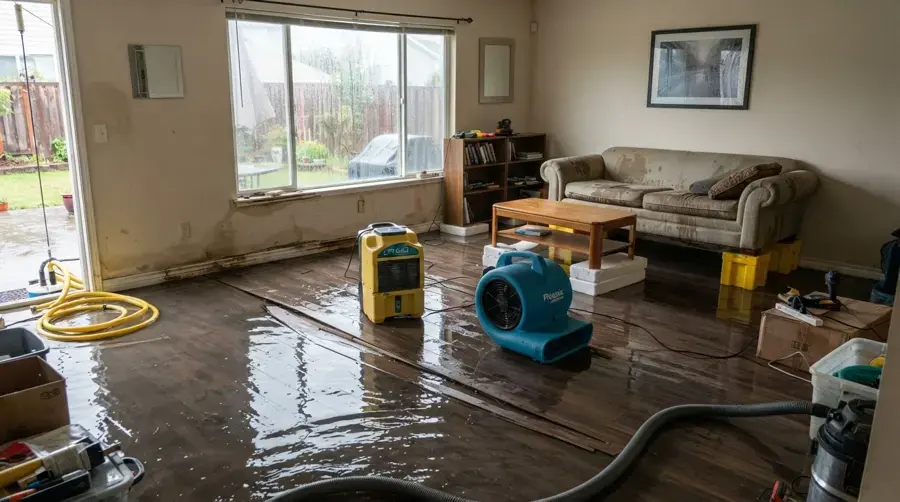 Water Extraction in JacksonvilleStorm rain, creek overflow or a failed pipe: standing water is pulled out before it wicks into plaster.View service
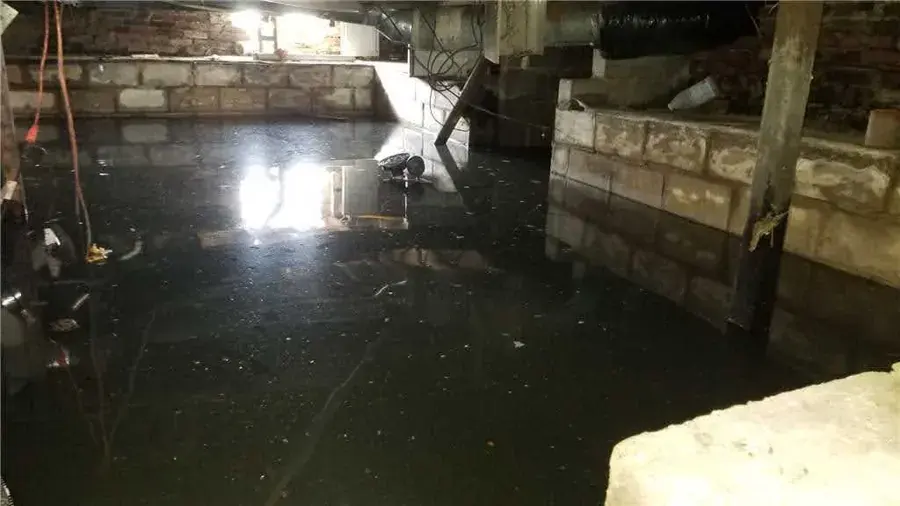 Crawl Space Water Damage in JacksonvilleWhere a home has a crawl space, water beneath the floor is pumped out and the framing dried.View service
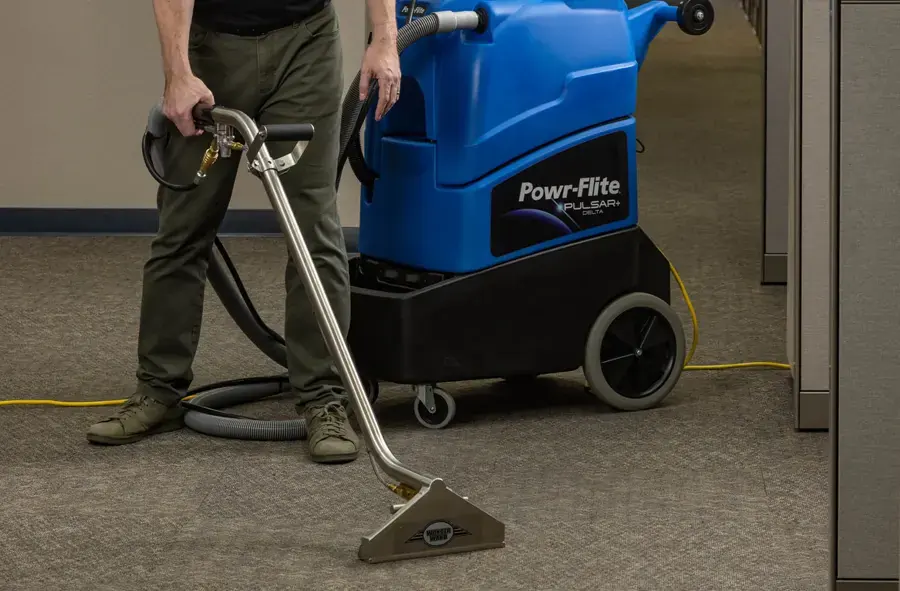 Commercial Water Damage in JacksonvilleInns, tasting rooms and shops along California Street and Oregon Street dried in phases.View service
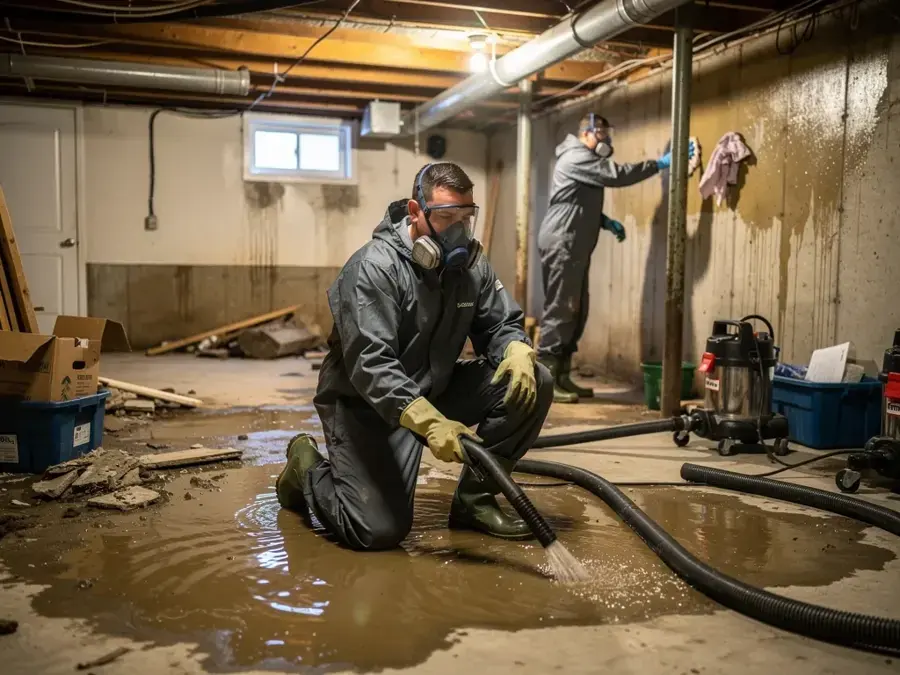 Flood Water Cleanup in JacksonvilleJackson Creek or Daisy Creek overflow is treated as black water from the first step.View service
Structural Drying in Grants PassAir movers, LGR and desiccant dehumidifiers run until readings meet the drying goal.View service
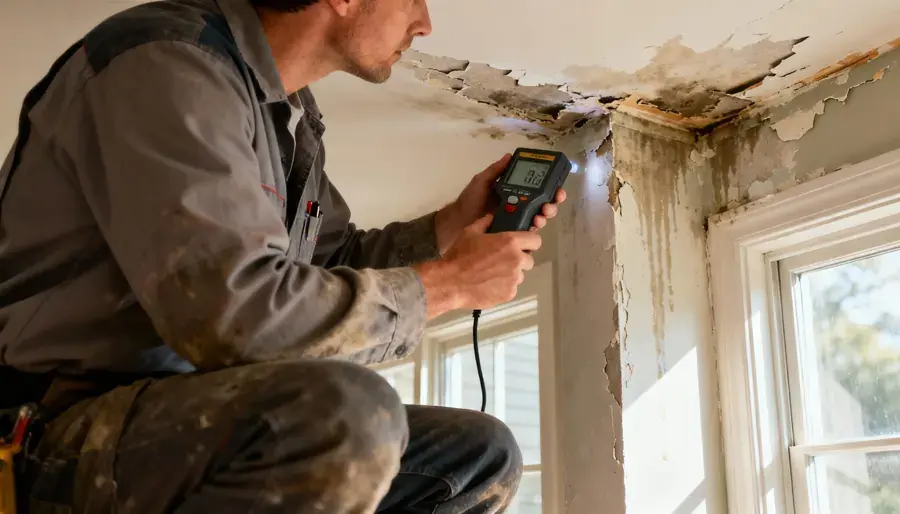 Water damage restoration in JacksonvilleAll fourteen services are tailored to Jacksonville's historic masonry, creek corridors, hillside streets and owner-occupied homes.View the town page
Why can't I just run fans?
Fans move air but do not pull moisture out of it. Dehumidifiers do that, and only meters show whether wet framing, plaster and masonry have actually reached a dry reading. Equipment that matches the material finishes sooner.
Is drying different in an old building?
Yes. Plaster and masonry hold water longer and can crack if heated hard, so airflow is gentler and desiccant units are used. Both sides of shared walls are metered.
How do you know when it is dry?
Meters compare each wet area with a dry reference reading taken elsewhere in the same building. Equipment stays until the numbers come within a few points, not until a surface feels dry.
How long does structural drying take?
A contained loss usually needs three to five days. Hardwood, plaster, thick masonry and water under floors take longer, and the daily logs show when each area reaches its target.
Can I keep living or working in the building?
Usually, though equipment is loud and warm. The crew places it to keep walkways open and moves it as areas dry, and sewage-affected areas are kept sealed until they are cleaned. Phone ahead for access.
Does insurance cover structural drying?
When the water comes from a covered source, drying is usually part of the claim, and the daily logs support it. Coverage depends on the policy, so check with your own insurer.
Building still wet in Jacksonville? Call now.
The extraction crew clears the water, and the drying team stays until the readings show every wall has come back to dry.
(888) 373-8814Start the structural drying