Storm Water Damage in Grants Pass, OR
Long Pacific storms push rain sideways through siding, window frames and door thresholds, and runoff pours into crawl vents. The restoration team removes the water and dries the walls and floors it soaked.
(888) 373-8814Rain getting in? Call the Grants Pass crew
What to do when storm water is getting in
Do now
- 1Stop what you can. Move water away from the door, clear a blocked downspout and tarp an open spot if it is safe
- 2Protect power. Switch off breakers for wet rooms from a dry panel
- 3Lift and move. Get rugs, electronics and boxes off the floor
- 4Photograph the entry points. Shoot where water is coming in and how far it spread
Hold off
- Climbing on a wet roof during the storm
- Walking through runoff near outlets
- Leaving wet carpet down until the storm passes
How storm water damage is handled by the Grants Pass restoration crew
Storm water rarely comes in at one spot. The work starts by finding every path the rain took into the walls, floors and crawl space.
Rapid local response
The response team works day and night across Grants Pass and the Rogue Valley, weekends and storm nights included, and treats active water as urgent.
IICRC S500 drying standard
The drying team works to the industry drying standard and pulls equipment only when readings say dry, not when a surface looks dry.
Claim-ready documentation
Moisture maps, daily readings and timestamped photos go into a drying log that an adjuster, a landlord and the owner can all read.
Rogue Valley water experts
Crawl spaces, manufactured homes, wells, septic systems and old galvanized pipe are everyday work, so the crew checks under the floor, not just the wet room.
What does storm water damage cost in Grants Pass, OR?
In Grants Pass, OR, storm water damage cleanup typically runs $1,000 to $8,000. Rain through one window or door sits at the low end; runoff into the crawl space and several rooms sits at the high end.
- One entry point$1,000 to $2,500
- Extraction
- Wall bottom drying
- Readings
- Several rooms$2,500 to $5,500
- Carpet and pad out
- Air movers
- Daily logs
- Runoff under the house$5,500 to $8,000+
- Crawl space pump-out
- Category 3 protocol
- Insulation out
The drivers are the water category, the square footage, the material class and how fast drying started. For a planning range, try the water damage cost calculator.
The storm water damage process in Grants Pass
- 1
Find the paths
The tech who does the walkthrough tracks wet walls and floors back to windows, doors, siding and vents with meters and thermal imaging.
- 2
Extract and remove
The extraction crew pulls water; carpet, pad and insulation touched by ground runoff come out.
- 3
Clean where needed
Areas reached by runoff are cleaned and treated with an EPA-registered antimicrobial.
- 4
Dry and log
Air movers and LGR dehumidifiers run, and the drying team logs readings until materials meet the drying goal.
Storm water damage in Grants Pass comes mostly from atmospheric rivers, the long bands of Pacific moisture that bring much of the Rogue Valley's yearly rain between November and March. These storms can rain hard for days, often with strong south winds, and water finds its way into older homes through paths a normal shower never tests.
How rain gets in
- Wind-driven rain pushes through window frames, siding gaps and door thresholds.
- Clogged gutters and short downspouts dump water against the foundation.
- Runoff from uphill lots flows into crawl vents or under the footing.
- Water ponds against garage slabs and soaks the bottom of interior walls.
This page covers rain and runoff. When a river or creek rises into a building, that is flood water and is handled under flood water cleanup. When a roof leak is the source, see roof leak water damage.
Category matters on storm jobs
Rain that comes through a window or wall is usually Category 2: not sewage, but not clean either, since it picks up dirt, insulation and wall debris along the way. Water that flows in across the ground is treated as Category 3 because it carries soil, yard chemicals and animal waste. That difference decides whether carpet and insulation can be dried or must be removed, so the restoration team sets the category before anything else.
Drying during a wet season
Outside air in a Rogue Valley storm is close to saturated, so open windows do not help. The drying team runs LGR dehumidifiers inside a closed house and reads walls and floors daily. The National Weather Service Medford office posts storm watches, and Ready.gov lists steps for heavy rain.
Where storm water damage is handled around Grants Pass
The Grants Pass restoration crew works ZIP codes 97526, 97527 and 97528, from downtown under the arch and North Grants Pass to Redwood, Fruitdale and New Hope, plus Merlin, Murphy and Wilderville nearby.
See every area coveredRelated water damage services in Grants Pass
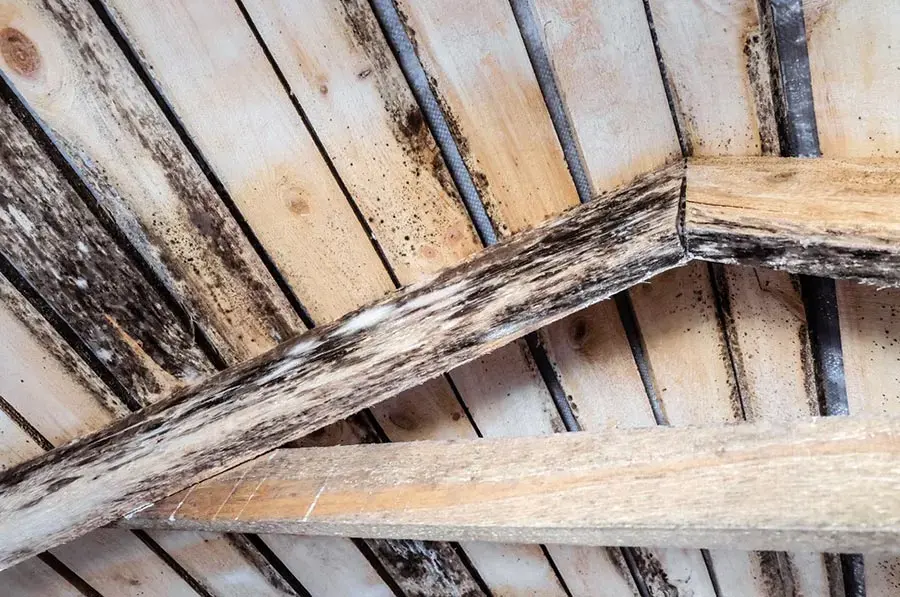 Roof Leak Water DamageFlashing, valley and vent leaks through the attic, dried before the ceiling sags.View service
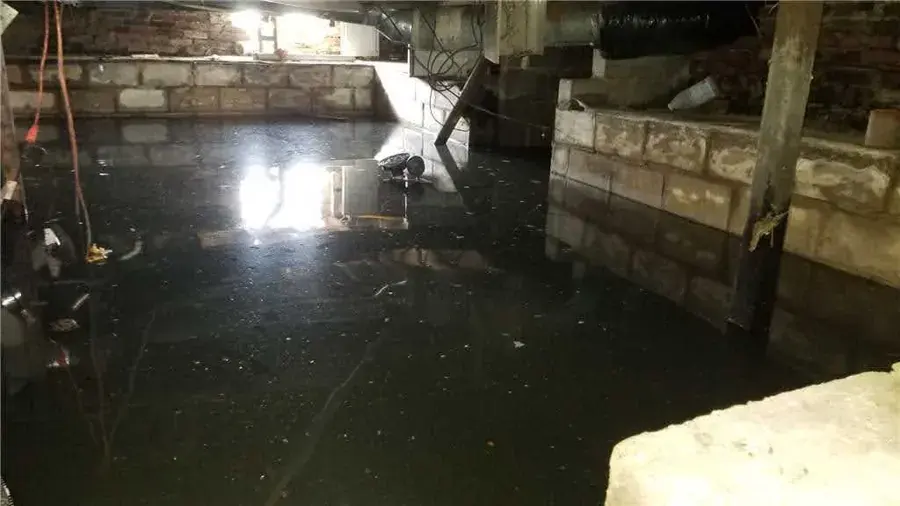 Crawl Space Water DamageWater under the house pumped out, wet insulation and vapor barrier removed, joists dried to a reading.View service
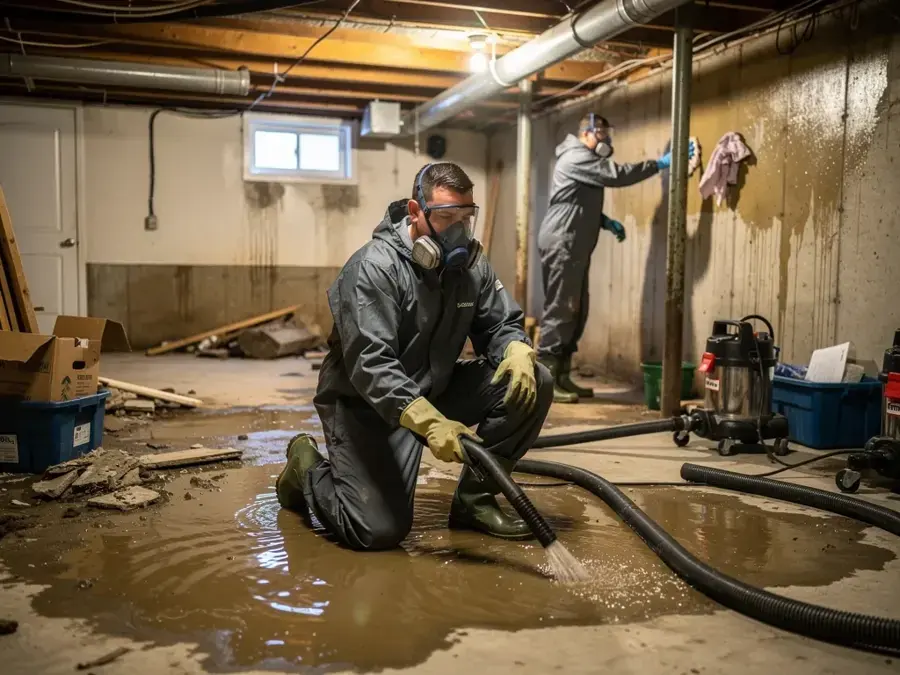 Flood Water CleanupRising water from the Rogue River or a town creek, handled as Category 3 from the first step.View service
What is an atmospheric river?
A long, narrow band of Pacific moisture that can bring days of heavy rain. Southern Oregon gets most of its yearly rain from these storms between November and March.
Is rain water through a wall dirty?
Usually Category 2. It picks up dirt and wall debris on the way in. Water flowing in across the ground is treated as Category 3.
Can wet carpet from a storm be saved?
Carpet wet with rain through a window can sometimes be dried if extraction is quick. Carpet touched by ground runoff is removed.
Should I open windows to dry the house?
Not during a storm. Outside air is close to saturated. Dehumidifiers in a closed house dry faster.
Does insurance cover storm water damage?
Wind-driven rain through storm damage is often covered, while surface water and flooding usually need flood coverage. Coverage depends on your policy, so it is worth checking with your own insurer.
How long does drying take after a storm?
A contained loss usually dries in three to five days. A wet crawl space or several rooms take longer, and readings decide when equipment comes out.
Storm water inside your Grants Pass home? Call now.
The restoration team finds every path the rain took, removes what it ruined and dries the rest to a verified reading.
(888) 373-8814Get storm water out in Grants Pass