Crawl Space Water Damage in Jacksonville, OR
Fall and winter rain, drainage running downhill on hillside streets, or a pipe that fails under the floor can leave water beneath a Jacksonville home. The crew pumps it out, strips wet insulation and dries the joists until meters read normal.
(888) 373-8814Water below the floor? Call to start pumping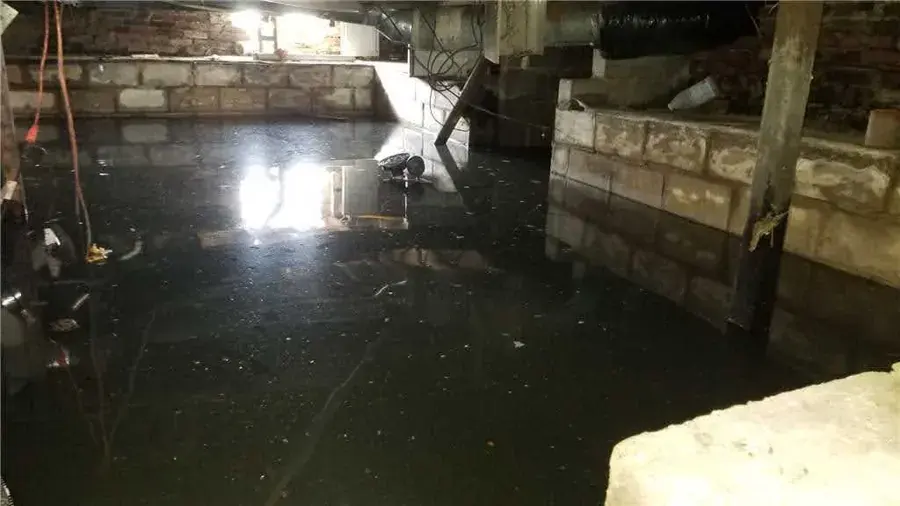
First steps when water pools under a Jacksonville home
Do now
- 1Shut off the supply. A running pipe under the floor means closing the main valve where the water service comes into the building
- 2Kill the circuits. Turn off breakers for crawl space lighting, a sump pump or heat cable, from a dry floor only
- 3Look, don't climb. Shine a flashlight through the access opening to gauge the depth and spot where it enters
- 4Document and phone. Photograph the water, plus any soft or damp floor overhead, and give the dispatcher the depth
Hold off
- Climbing in beside standing water and live wiring
- Blowing a box fan through the hatch
- Hoping a few sunny days will do the job
How crawl space water damage is handled by the Jacksonville restoration crew
The pooled water is only the start; the soaked materials that hold it and the moisture in the framing decide how long the job runs.
Rapid local response
The response team works day and night across Jacksonville and the Rogue Valley, weekends and storm nights included, and treats active water as urgent.
IICRC S500 drying standard
The drying team works to the industry drying standard and pulls equipment only when readings say dry, not when a surface looks dry.
Claim-ready documentation
Moisture maps, daily readings and timestamped photos go into a drying log that an adjuster, a landlord and the owner can all read.
Rogue Valley water experts
Crawl spaces, manufactured homes, wells, septic systems and old galvanized pipe are everyday work, so the crew checks under the floor, not just the wet room.
What does crawl space water damage cost in Jacksonville, OR?
Expect crawl space water cleanup in Jacksonville, OR to land between $1,200 and $7,500. A pipe drip caught early stays near the bottom; storm or sewer water, or clearing every wet batt, pushes toward the top.
- Pipe drip, caught quickly$1,200 to $2,800
- Pooled water removed
- One patch of insulation
- Single dehumidifier
- Pooled water, wet insulation$2,800 to $5,000
- Every wet batt cleared
- Ground cover ready to replace
- Meter checks daily
- Runoff or sewage$5,000 to $7,500+
- Category 3 protocol
- Antimicrobial applied
- Space sealed off
The drivers are the water category, the square footage, the material class and how fast drying started. For a planning range, try the water damage cost calculator.
The crawl space water damage process in Jacksonville
- 1
Pumping
Pumps drop into the deepest spot and push the water outdoors, well away from the footprint of the house.
- 2
Stripping
Soaked insulation, torn ground cover and wet duct wrap are bagged and hauled out, since each one presses moisture against the wood.
- 3
Drying
LGR dehumidifiers and directed airflow run under the floor with vents managed, while a meter checks joists, subfloor and sill plate daily.
- 4
Sign-off
Gear comes out when the framing reads like dry wood elsewhere in the house, and the readings join the claim file.
Jacksonville receives about 21 inches of rain a year, most of it in fall and winter, and flooding often follows heavy snow met by sudden warm rain. In a home with a crawl space, the low pocket under the floor collects what the rest of the building sheds: winter runoff, a dripping pipe, a leaking tank or a failed drain. Because the space is dark and rarely visited, water can sit for weeks before a spongy floor gives it away.
How water gets underneath
- Storm runoff from local drainage, or from small unmapped streams outside the mapped floodplains, finding its way to the foundation.
- A supply pipe that freezes during a night near 30 degrees F and splits.
- A water heater, appliance or toilet overhead that leaks through the subfloor.
- A drain that fails below the floor, which is Category 3 water immediately.
Pipe water that lies on bare soil slowly turns gray, while runoff and sewage are Category 3 from the start. For those, containment goes up and an EPA-registered antimicrobial goes down before any drying begins. The Jacksonville water damage page covers the wider local risks.
Hillsides and older construction
Areas with slopes over 20 percent are treated as a high erosion hazard in Jacksonville, and on a hillside street, rain runs downhill toward the lower lots and their foundations. About 37 percent of residential buildings predate 1990, and the historic core goes back to the 1850s, so the drying team maps moisture first and sets equipment second. For park homes, where the water gathers in the belly instead, see manufactured home water damage in Jacksonville.
Why venting alone does not work
Opening the vents in a rainy winter often brings in more damp air than it removes. The drying team holds the space steady, runs LGR dehumidifiers, aims airflow along each joist bay and meters the wood every day. Replacement insulation and ground cover wait for confirmed dry readings. When a freeze started it, frozen pipe cleanup in Jacksonville covers the pipe side, and structural drying in Jacksonville explains the equipment.
Where crawl space water damage is handled around Jacksonville
Jacksonville water damage pros work throughout ZIP 97530, from the Historic District and the streets around California Street and Oregon Street to Pheasant Meadows, the Woodlands hillside and Britt Gardens. Crews also reach Royal Mobile Estates, the Third Street area and Oregon Highway 238.
See every area coveredRelated water damage services in Jacksonville
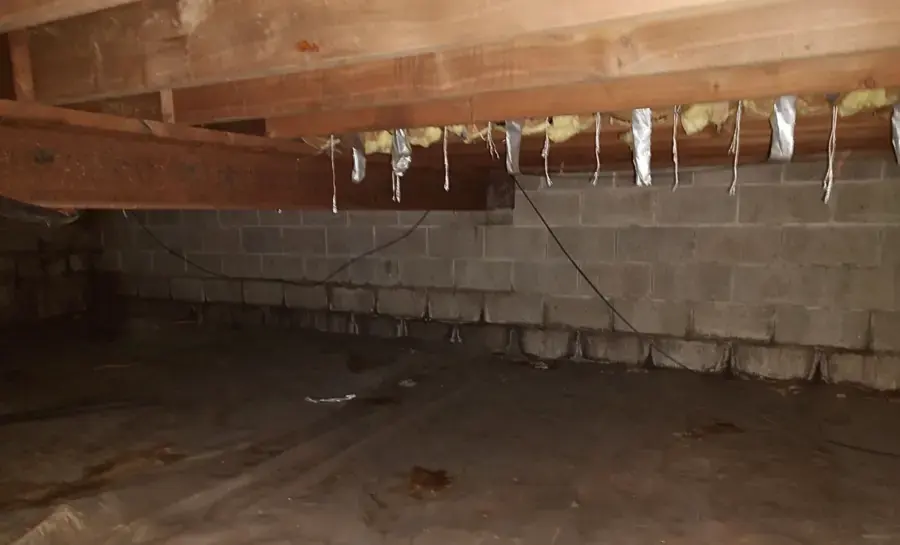 Frozen Pipe Cleanup in JacksonvilleNights near 30 degrees split exposed pipe; soaked walls and flooring are dried afterward.View service
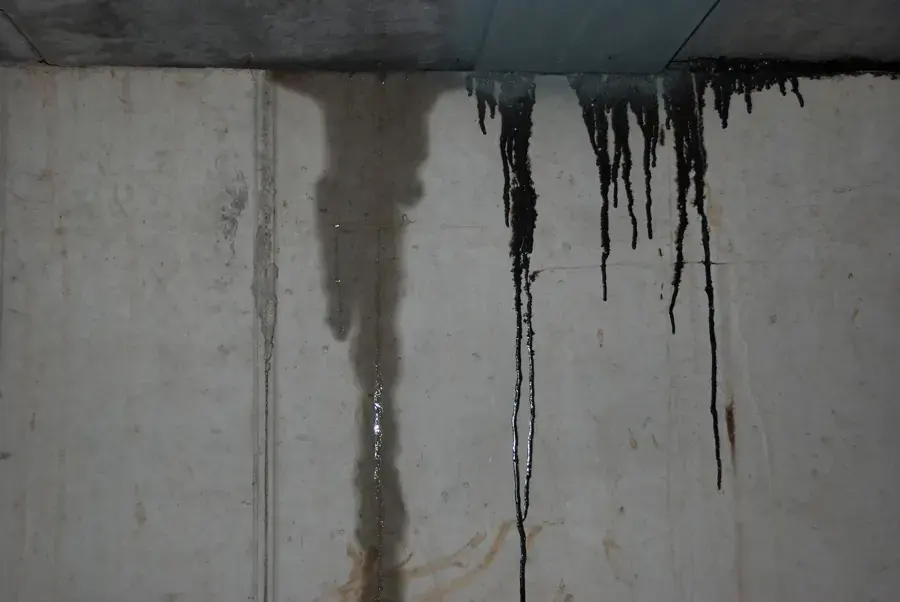 Storm Water Damage in JacksonvilleSnowmelt and warm rain pushed through roofs, windows and overloaded storm drainage.View service
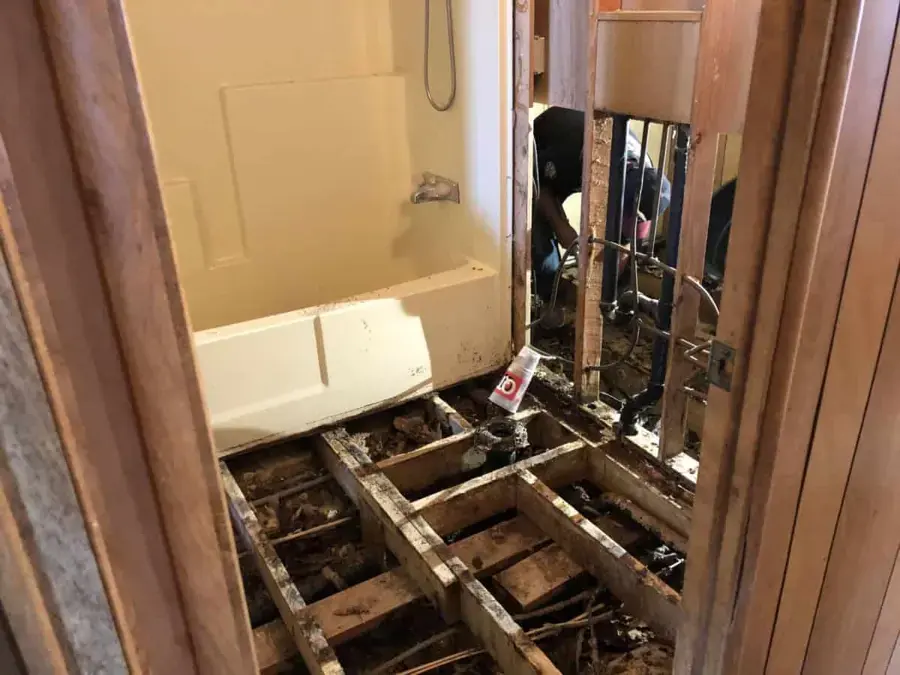 Manufactured Home Water Damage in JacksonvilleFloors, belly insulation and pipes dried in older homes at Royal Mobile Estates.View service
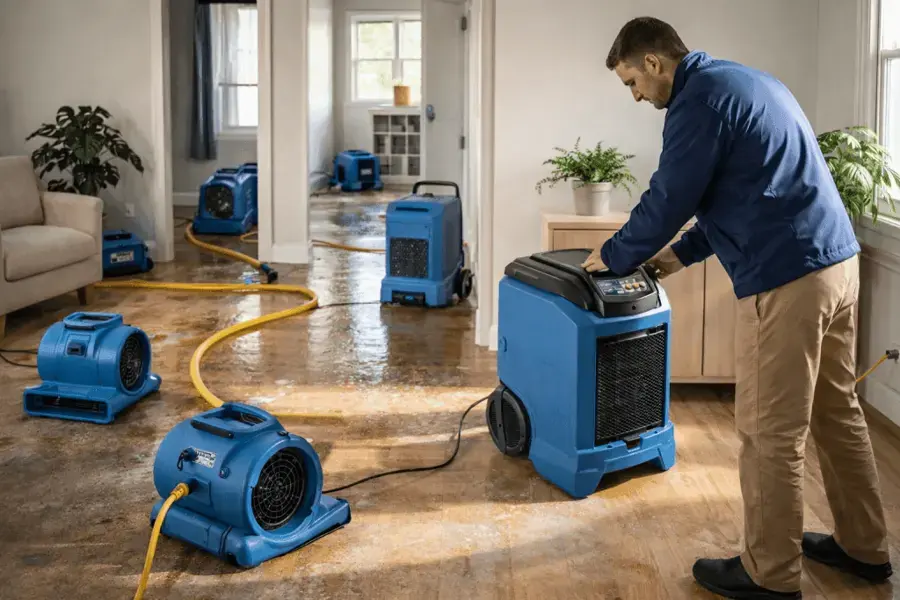 Structural Drying in JacksonvilleOld masonry, plaster and framing dried carefully, with readings logged against a clear goal.View service
Crawl Space Water Damage in Grants PassWater under the house pumped out, wet insulation and vapor barrier removed, joists dried to a reading.View service
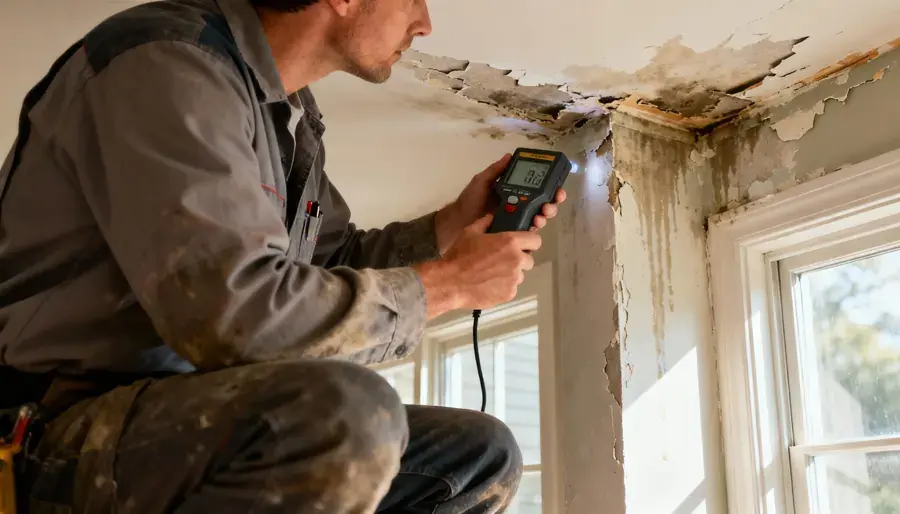 Water damage restoration in JacksonvilleAll fourteen services are tailored to Jacksonville's historic masonry, creek corridors, hillside streets and owner-occupied homes.View the town page
How can I tell water is under a Jacksonville house?
A musty odor, a floor that feels cold or soft, cupping hardwood, or a water meter that moves with every faucet shut are all signs. A flashlight at the hatch confirms it from the outside.
Is runoff handled differently from pipe water?
Yes. Runoff brings soil and bacteria, so it is Category 3. The crew contains the area, removes anything porous and applies an antimicrobial before the drying equipment starts.
Will the space dry itself once the rain stops?
Not in winter. Damp air keeps wood wet for weeks, and mold can set in inside two days, so drying starts right away instead of waiting for better weather.
Must all the insulation come out?
Only what is wet. Moisture readings mark the edge of the affected zone, and insulation and ground cover inside it are pulled while the dry remainder stays.
How long does the drying last?
Most jobs take four to seven days, and a cold wet week stretches that. Equipment stays until the wood reads dry, not until a date, and structural drying in Jacksonville explains the readings.
Can a freeze be the cause here?
Yes. Lows average near 30 degrees F in December and January, and storms are most common from November through March. The pipe freeze risk check rates a house in about a minute.
Will insurance cover water beneath the house?
Coverage usually follows the cause. A sudden pipe failure is commonly covered, while groundwater and creek flooding usually fall under flood insurance. Read your own policy or ask the insurer before filing.
Water beneath your Jacksonville home? Call now.
The extraction crew clears the pool, the soaked layer comes out, and drying continues until the joists meter dry.
(888) 373-8814Start the under-floor dry-out