Water Damage Restoration Grants Pass, OR
24/7 water damage restoration in Grants Pass, OR. The restoration team extracts standing water, dries the structure and the crawl space to the IICRC S500 standard and documents every step for your insurance claim.
(888) 373-8814Water under the floor? Call Grants Pass now Rogue Valley
What to do while the water is still moving
Mold can start inside 24 to 48 hours, so the first hour decides how much has to come out later.
Do now
- 1Shut off the water. The main valve is often at the meter box by the street or where the pipe enters the house; on a well, switch off the pump breaker
- 2Kill the wet circuits. Switch off breakers for wet rooms, but only while standing on a dry floor at a dry panel
- 3Photograph before moving. Shoot every wet room, the high-water mark and the source before anything moves
- 4Lift what you can. Get rugs, papers and electronics off the floor, and set foil under furniture legs
- 5Then call. Say which rooms are wet and whether water reached the crawl space or the floor below
Hold off
- Wading through water near outlets or cords
- Running a household vacuum on standing water
- Crawling under the house while water is still rising
- Turning the furnace up to dry things out
Water Damage Restoration Services in Grants Pass, OR
Fourteen services built around how Grants Pass homes, manufactured homes and downtown buildings take on water.
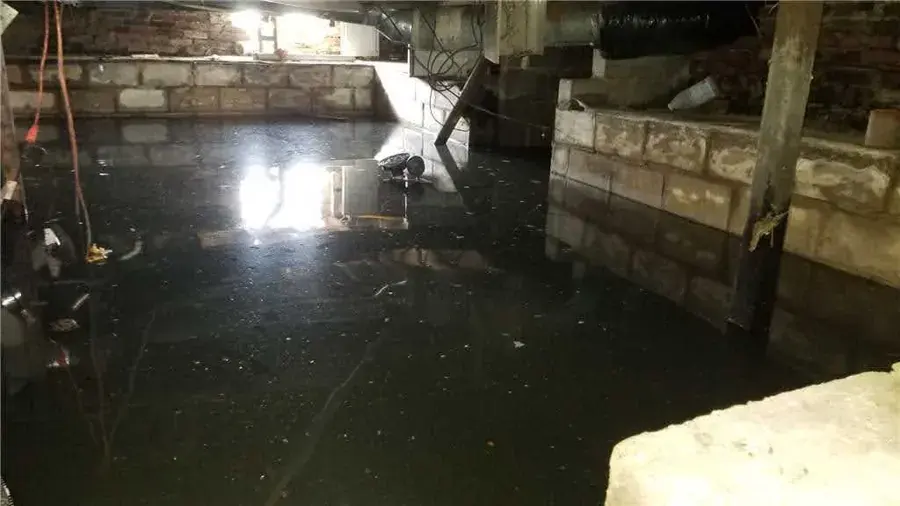 Crawl Space Water DamageWater under the house pumped out, wet insulation and vapor barrier removed, joists dried to a reading.View service
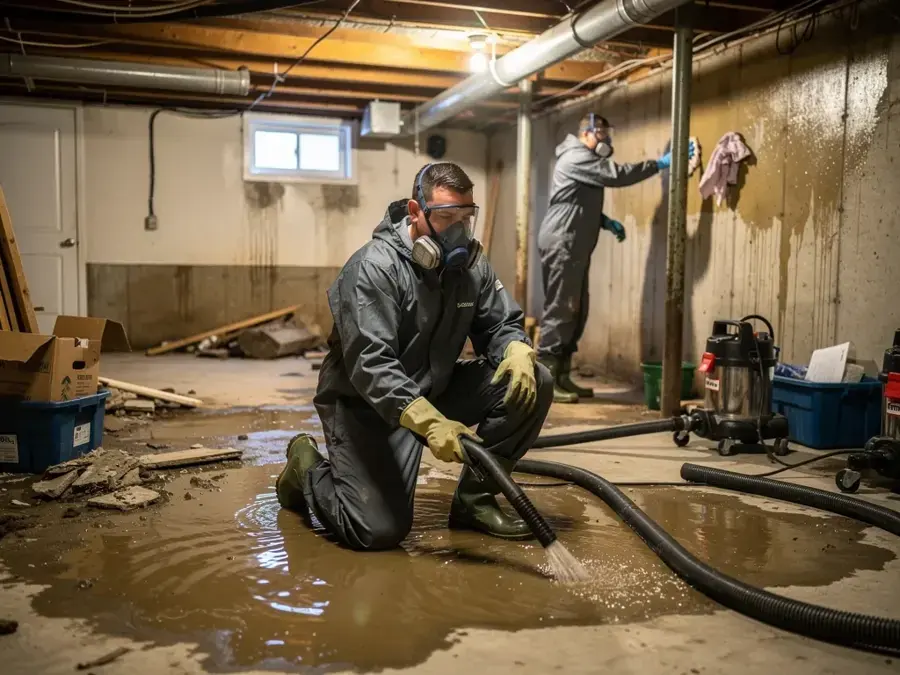 Flood Water CleanupRising water from the Rogue River or a town creek, handled as Category 3 from the first step.View service
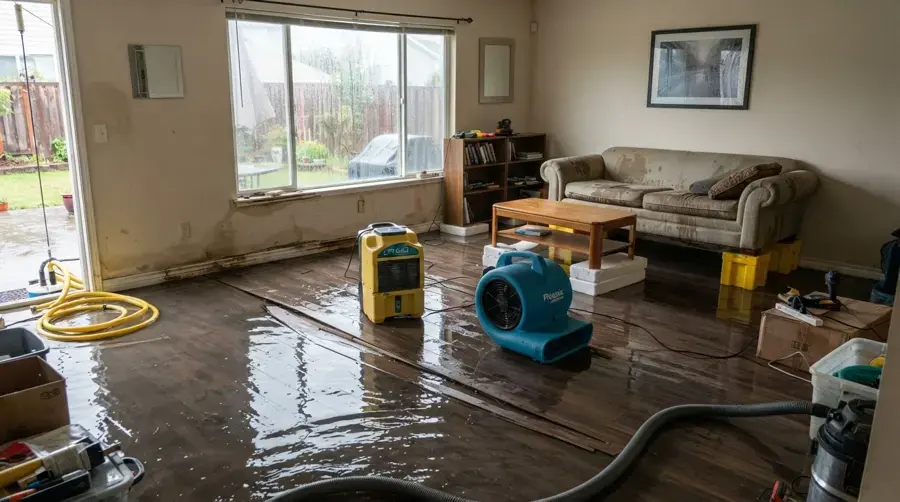 Water ExtractionTruck-mounted and portable extraction pulls standing water before it wicks into pad, subfloor and walls.View service
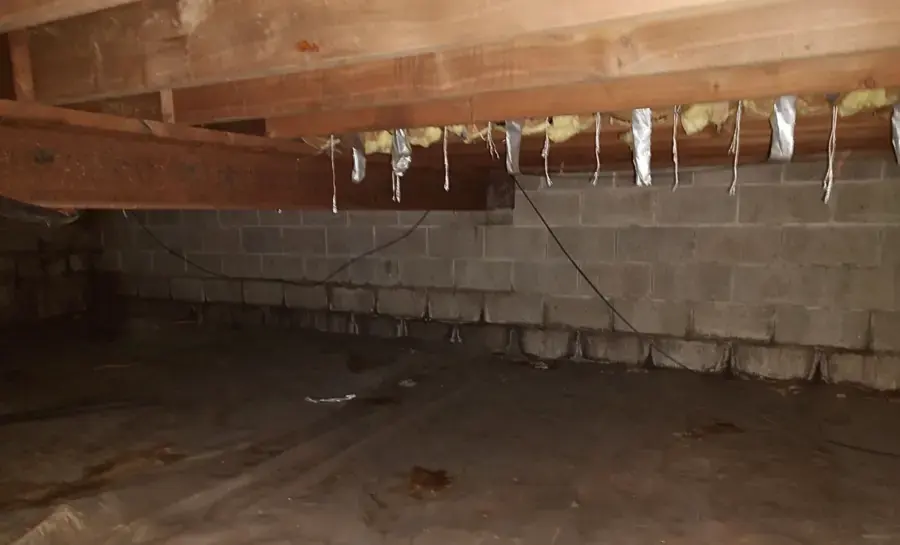 Frozen Pipe CleanupHard-freeze splits in vented crawl spaces and outside walls, usually found when the thaw starts.View service
 Burst Pipe CleanupPressure failures in old galvanized or polybutylene pipe, dried inside the wall cavity.View service
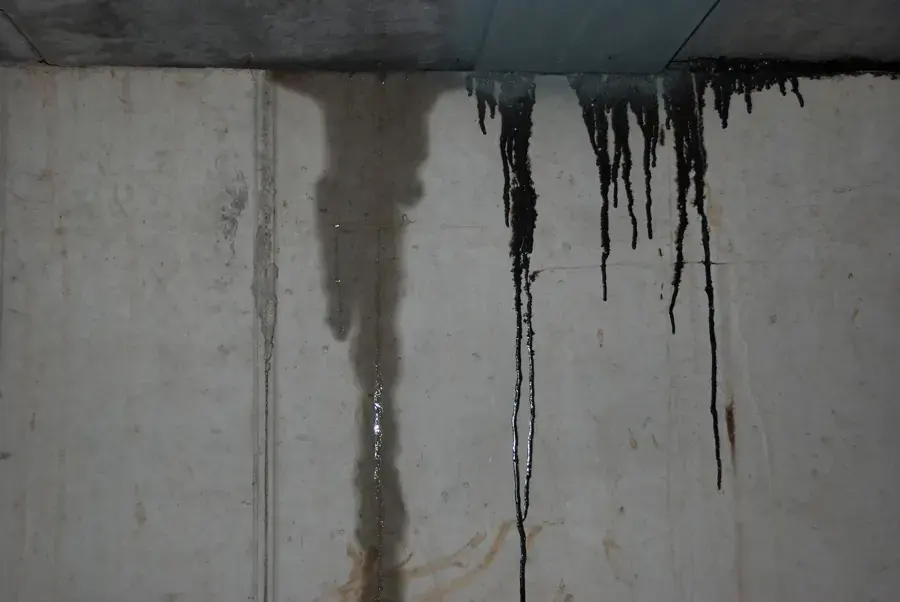 Storm Water DamageAtmospheric-river rain driven through siding, windows, doors and crawl vents.View service
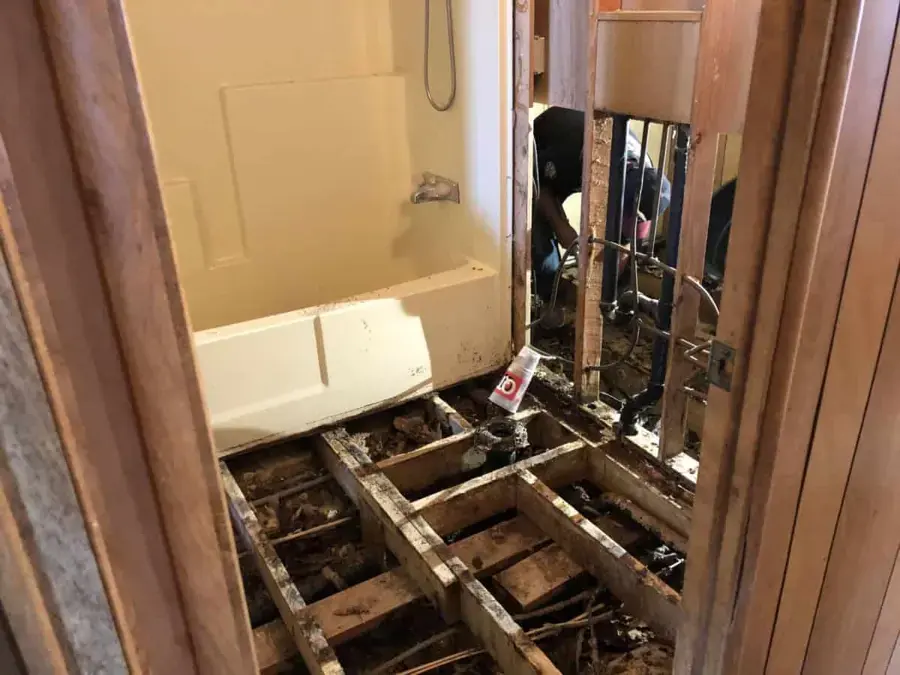 Manufactured Home Water DamageUnderbelly pipes, soaked belly insulation and swollen particleboard decking.View service
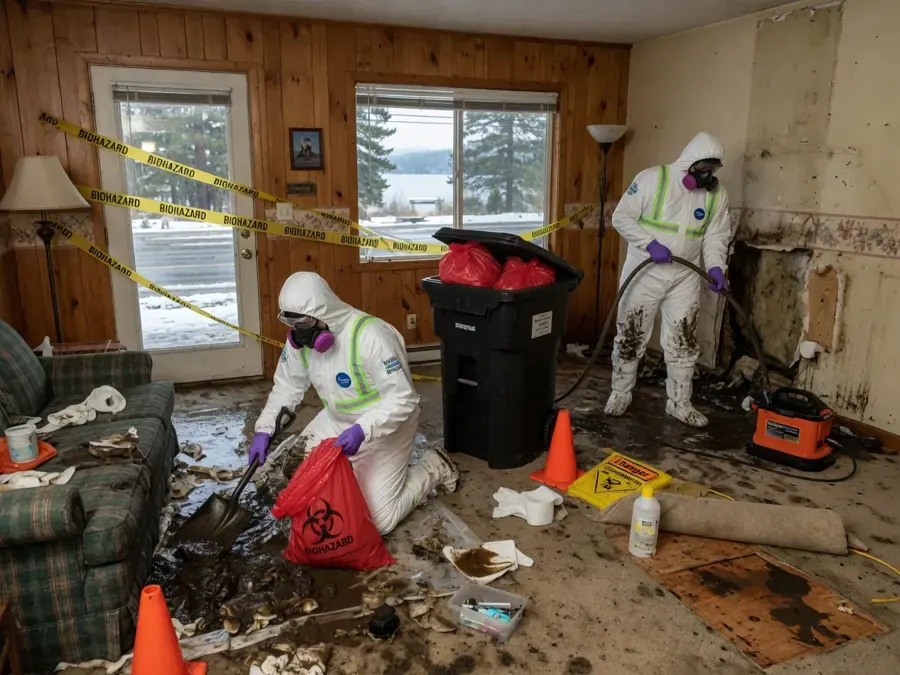 Sewage Backup CleanupCity sewer and rural septic backups, contained and removed as Category 3.View service
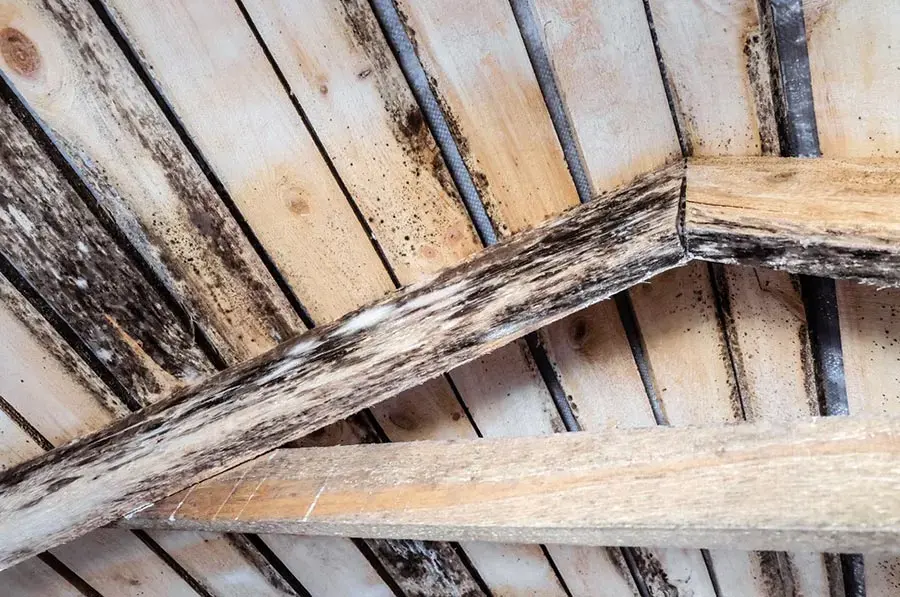 Roof Leak Water DamageFlashing, valley and vent leaks through the attic, dried before the ceiling sags.View service
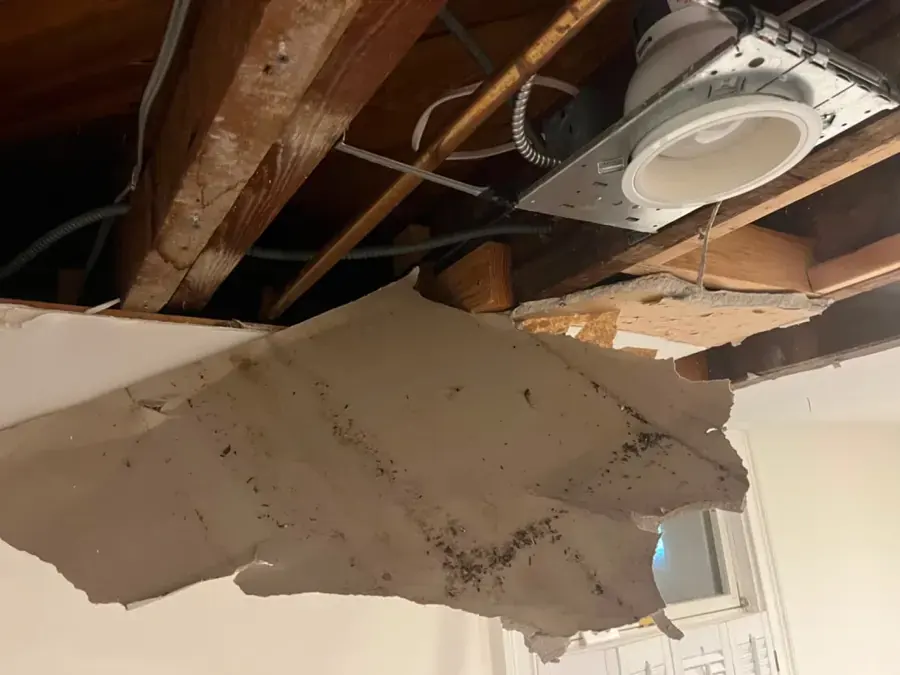 Ceiling Leak Water DamageA tub, toilet or supply pipe above lets go, and the ceiling below is opened and dried.View service
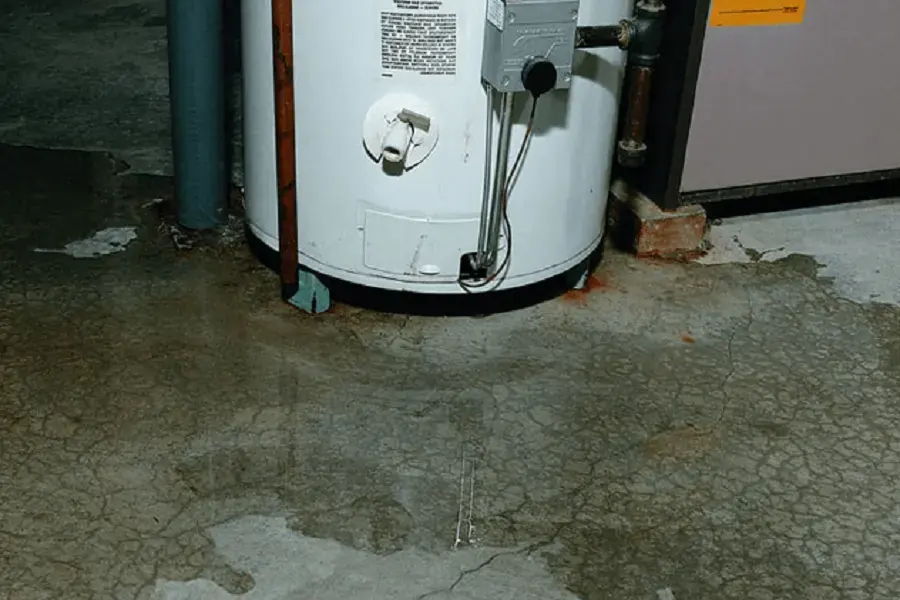 Water Heater Leak CleanupGarage, closet and manufactured-home tanks that fail at the bottom seam.View service
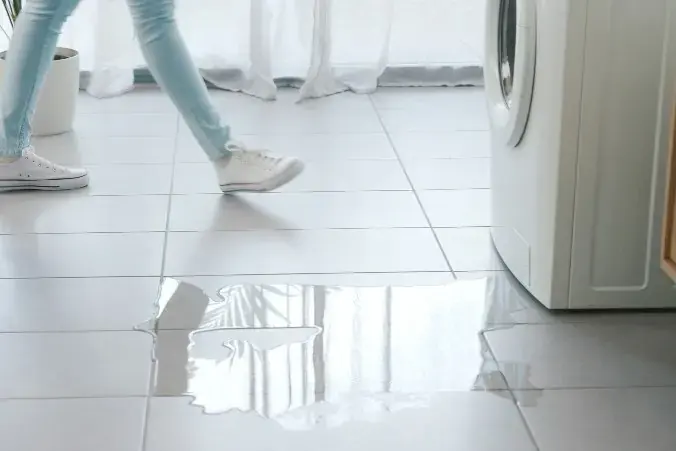 Appliance Leak CleanupWasher hoses, dishwashers and ice-maker tubing that soak floors and cabinets.View service
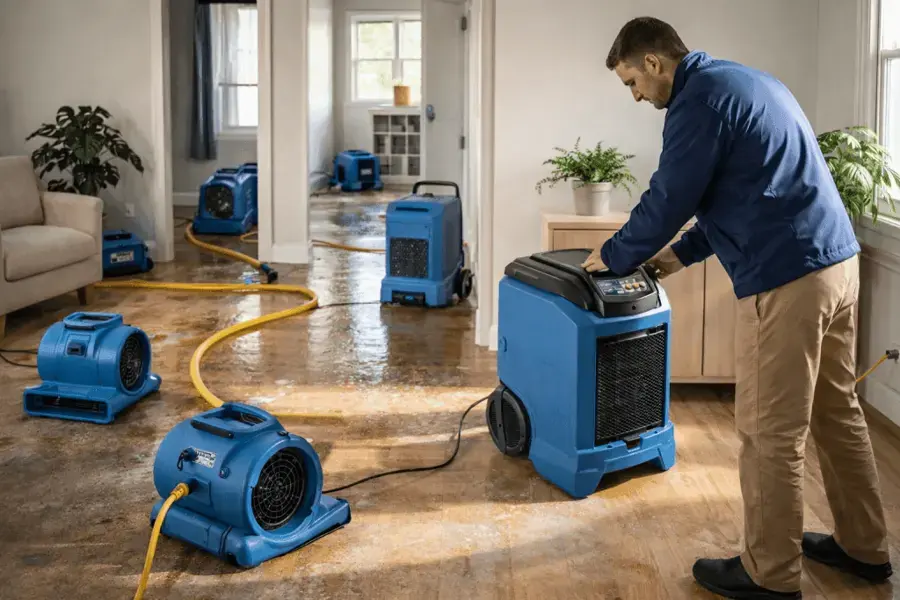 Structural DryingAir movers, LGR and desiccant dehumidifiers run until readings meet the drying goal.View service
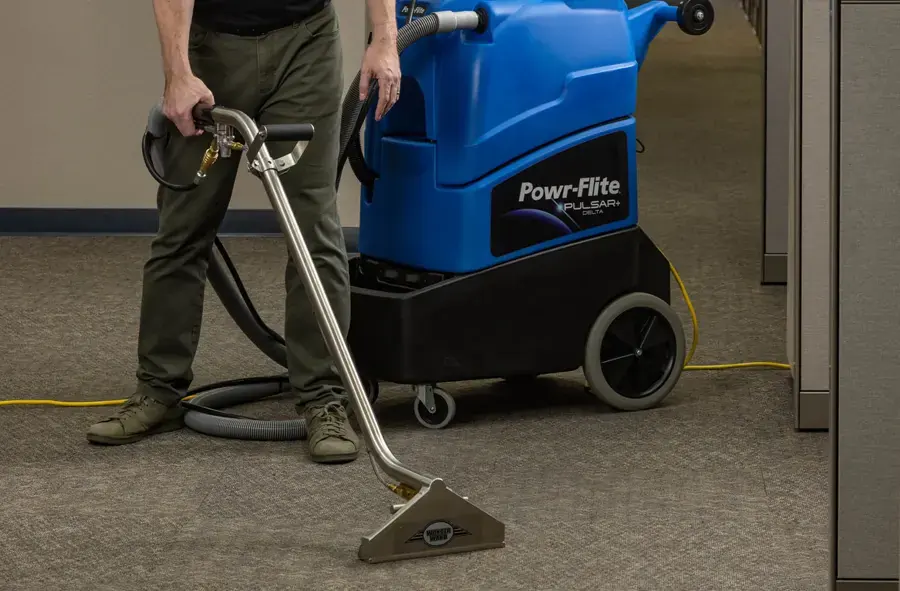 Commercial Water DamageDowntown storefronts, offices, restaurants and rentals dried around business hours.View service
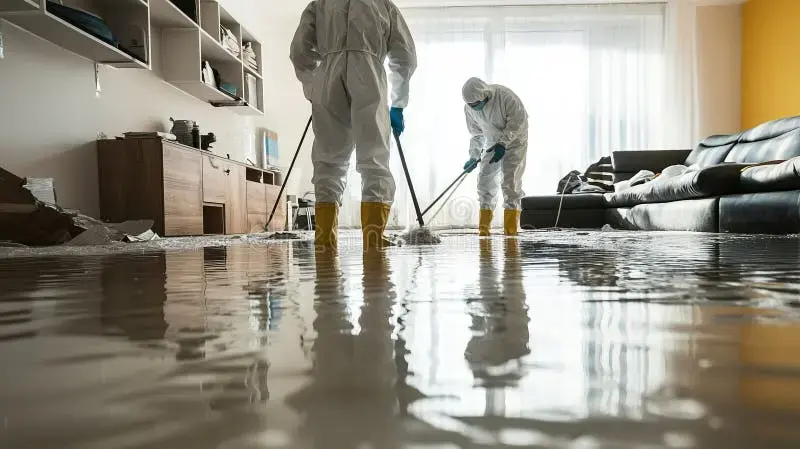
How the Grants Pass restoration crew works a water loss
Rapid local response
The response team works day and night across Grants Pass and the Rogue Valley, weekends and storm nights included, and treats active water as urgent.
IICRC S500 drying standard
The drying team works to the industry drying standard and pulls equipment only when readings say dry, not when a surface looks dry.
Claim-ready documentation
Moisture maps, daily readings and timestamped photos go into a drying log that an adjuster, a landlord and the owner can all read.
Rogue Valley water experts
Crawl spaces, manufactured homes, wells, septic systems and old galvanized pipe are everyday work, so the crew checks under the floor, not just the wet room.
Water damage dried to the IICRC S500 standard
The drying team measures first, dries second and measures again, and the equipment stays until the readings say dry.
- 1
Map the moisture
The tech who does the walkthrough maps wet materials with pinless meters and thermal imaging before any equipment goes down.
- 2
Extract the water
The extraction crew pulls standing water with truck-mounted suction and pumps out the crawl space when water reached it.
- 3
Set the drying
Air movers and LGR dehumidifiers go in sized to each room, with desiccants for dense Class 4 materials like old fir floors and plaster.
- 4
Read and verify
The drying team takes readings daily and pulls equipment only when materials meet the S500 drying goal.
The gear a real dry-out runs on
- Truck-mounted extractionsends the water out of the building
- Air moversset to the evaporation load of each room
- LGR and desiccant dehumidifierspull moisture back out of the air
- Thermal imaging and pinless metersfind water behind walls and under floors
- HEPA air scrubbers and containmenton sewage, septic and flood water losses
All water damage categories covered in Grants Pass, OR
Category 1, 2 and 3 water are handled differently.
A split supply pipe, a water heater tank or a washer fill hose. The extraction crew removes it fast, and most materials dry in place.
Washer drain water, a dishwasher, a toilet overflow without waste, or rain driven through a wall. Soaked pad usually comes out; hard surfaces are cleaned.
A sewer or septic backup, or Rogue River and creek flood water. Porous materials it touched get removed, not dried.
Sewage backup cleanupWhat does water damage restoration cost in Grants Pass, OR?
In Grants Pass, OR, water damage restoration typically runs $600 to $10,000 or more. A clean-water leak caught early sits at the low end; a flooded crawl space, a septic backup or river water inside the house sits at the high end.
- Contained, clean water$600 to $2,500
- One or two rooms
- Dried in place
- Three to four days
- Under floors or in the crawl space$2,500 to $6,000
- Insulation or flooring out
- Crawl space drying
- Daily moisture logs
- Category 3 or a whole level$6,000 to $10,000+
- Sewage, septic or flood water
- Containment
- Porous materials removed
What moves the number: water category · square footage · material class · how fast drying started
For a planning number, try the water damage cost calculator or the drying time estimator.
What a water damage dry-out looks like in Grants Pass
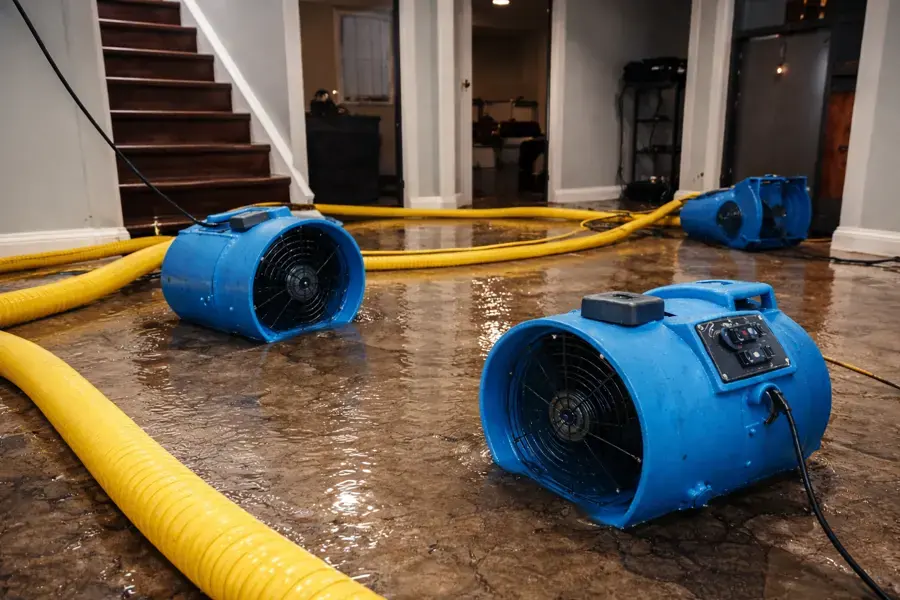
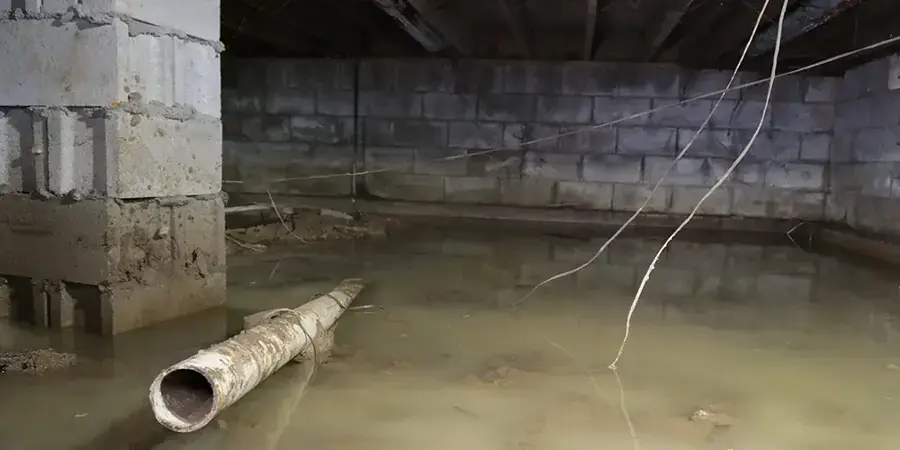
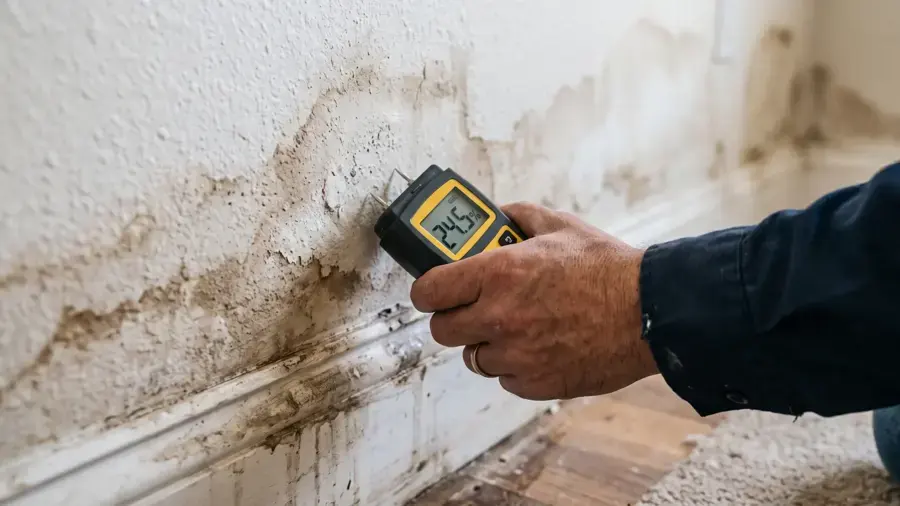
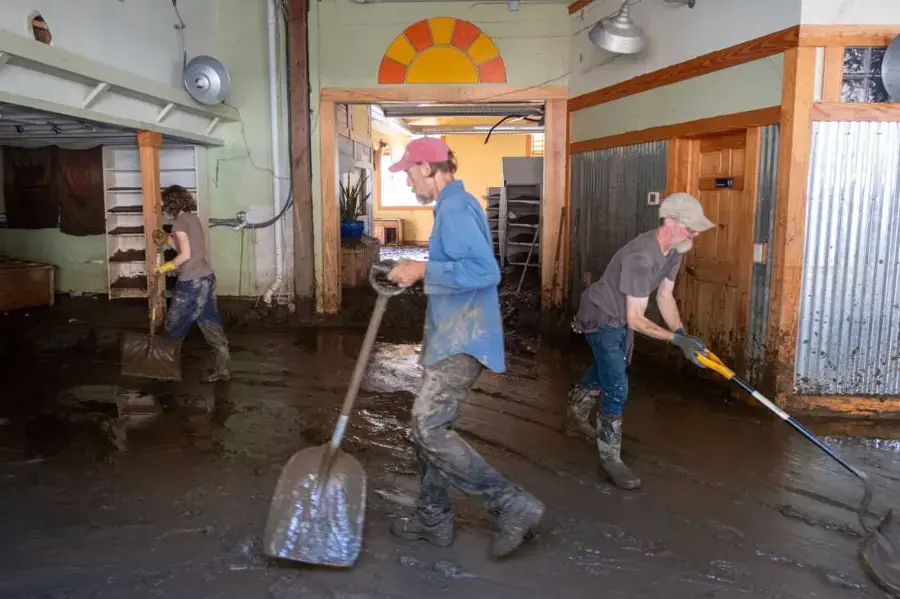
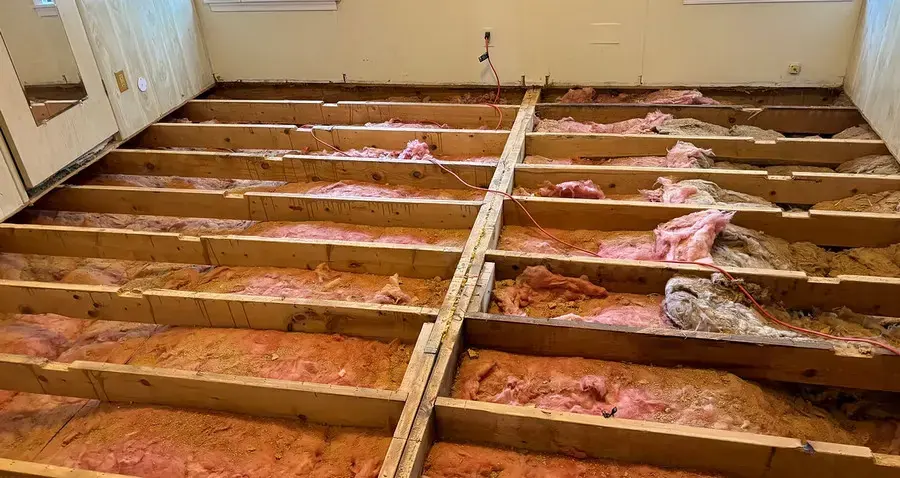
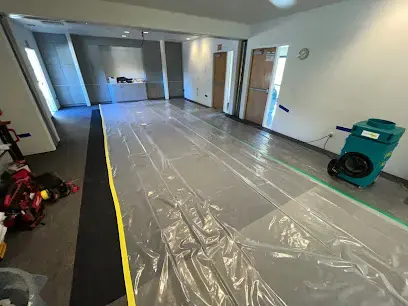
One call reaches Grants Pass water damage pros, 24/7
Grants Pass water damage pros work every part of the city, from downtown under the arch and the north side toward Interstate 5 to south Grants Pass across Caveman Bridge, Redwood and Fruitdale. The tech who does the walkthrough checks which rooms are wet and whether water reached the crawl space.
ZIP codes
Grants Pass areas
Nearby towns covered
Find us on GoogleWater damage in Grants Pass, OR: the local risk profile
Grants Pass sits on the Rogue River in the Rogue Valley, with a dry summer and a wet, frosty winter. Most of its housing sits over crawl spaces, and a large share of Josephine County lives in manufactured homes or on wells and septic.
- Crawl spaces everywhere. Early 1900s bungalows and mid-century ranches sit on raised foundations, so water collects under the floor.
- Hard freezes. Clear winter nights drop well below freezing and split pipe near crawl vents and in outside walls.
- Atmospheric rivers. Most of the year's rain falls from November to March, often for days at a time.
- Manufactured homes. Underbelly pipes and particleboard decking hide leaks until the floor goes soft.
- Old pipe, wells and septic. Galvanized and polybutylene pipe inside town, private wells and septic systems outside it.
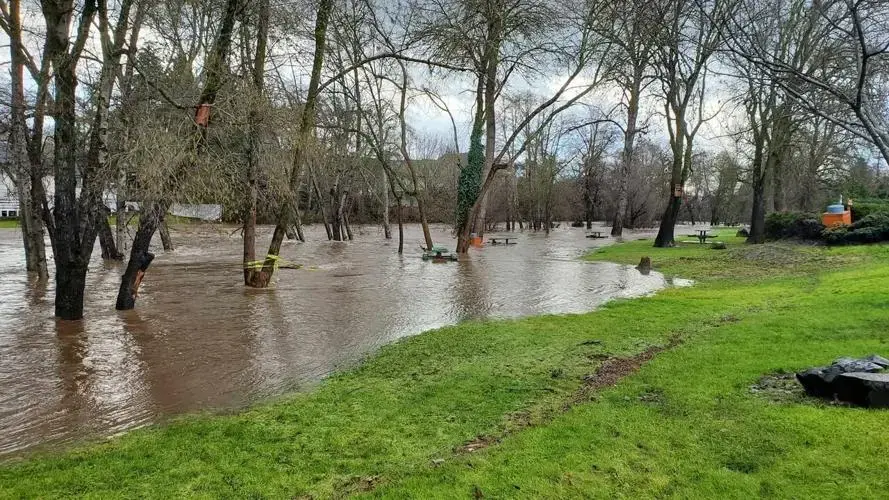
Water just got in. What should happen in the first hour?
Close the main shutoff, switch off breakers for wet rooms if the panel is dry, photograph every wet room, lift rugs and belongings, then call. Water keeps spreading for as long as it sits.
Why do so many Grants Pass water losses end up in the crawl space?
Most homes here sit on raised foundations rather than slabs or basements, so water from a pipe, an appliance or a storm runs down to the crawl space and soaks the insulation and subfloor.
How many days does drying usually take?
A contained Class 1 or 2 loss usually dries in three to five days; crawl spaces, hardwood and plaster take longer. Equipment comes out when readings sit within 2 to 4 points of a dry reference.
What does IICRC S500 mean for a dry-out?
IICRC S500 is the industry drying standard for water damage restoration. It sets the water categories, the classes of loss and what dry means, measured against dry material in the same building.
Will an Oregon homeowners policy pay for water damage?
Sudden and accidental water, like a burst pipe, is commonly covered; river flooding and sewer backup are often separate. Coverage depends on your policy, so it is worth checking with your own insurer.
Is Rogue River flood water handled differently from a pipe leak?
Yes. River and creek flood water is Category 3, like sewage. Porous materials it touched are removed, surfaces are treated with an EPA-registered antimicrobial, and then the structure is dried.
What makes a septic backup different from a clean leak?
Septic and sewer water is Category 3 the moment it backs up. The area is contained, porous materials it touched are removed, and surfaces are treated before any drying starts.
Does wet drywall always have to be cut out?
No. Drywall wet with clean water can often be dried in place. Drywall touched by sewage or flood water, or drywall that sagged, comes out.
How can I keep pipes from freezing in a hard freeze?
Close crawl space vents for the cold snap, insulate exposed pipe, check heat tape, keep the heat on and let a faucet drip on the coldest nights. The pipe freeze risk check scores a house in a minute.
Water on the floor in Grants Pass? Call now.
The extraction crew pulls the water and the drying team dries to the IICRC S500 goal.
(888) 373-8814Start the Grants Pass dry-out tonight