Crawl Space Water Damage in Grants Pass, OR
Most Grants Pass homes sit over a crawl space, and that is where a broken pipe or a winter storm leaves its water. The restoration team pumps it out, pulls wet insulation and dries the joists to a verified reading.
(888) 373-8814Water under the house? Call Grants Pass crews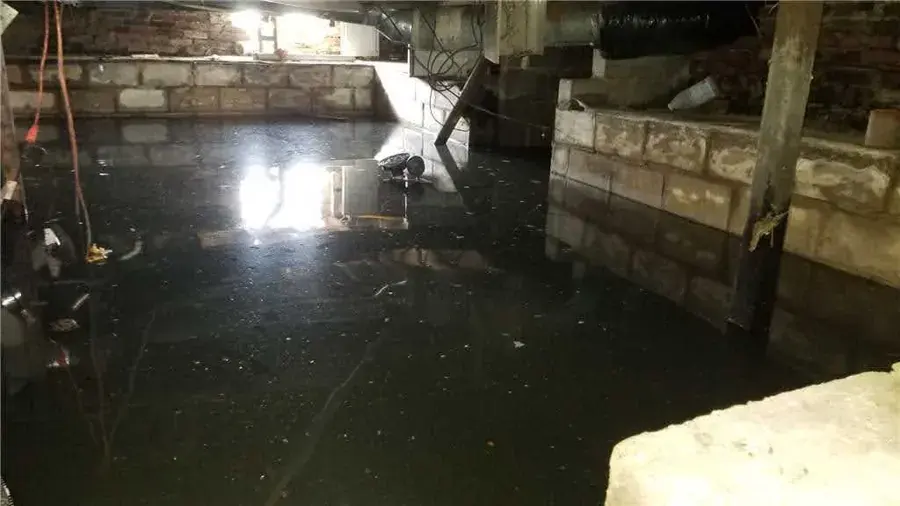
What to do when water shows up under the house
Do now
- 1Shut the water off. If a pipe is running, close the main shutoff; on a well, switch off the pump breaker
- 2Kill the crawl space power. Switch off breakers for crawl space lights, pumps and heat tape if the panel is dry
- 3Look from the hatch only. Note how deep the water is and where it is coming from, without climbing in
- 4Photograph and call. Take photos through the hatch and of any wet floor above, then call
Hold off
- Crawling into water near wiring or ductwork
- Running a box fan under the house
- Closing the vents and hoping it dries
How crawl space water damage is handled by the Grants Pass restoration crew
A crawl space dries from the bottom up. Standing water goes first, then the wet materials that hold it, then the wood itself.
Rapid local response
The response team works day and night across Grants Pass and the Rogue Valley, weekends and storm nights included, and treats active water as urgent.
IICRC S500 drying standard
The drying team works to the industry drying standard and pulls equipment only when readings say dry, not when a surface looks dry.
Claim-ready documentation
Moisture maps, daily readings and timestamped photos go into a drying log that an adjuster, a landlord and the owner can all read.
Rogue Valley water experts
Crawl spaces, manufactured homes, wells, septic systems and old galvanized pipe are everyday work, so the crew checks under the floor, not just the wet room.
What does crawl space water damage cost in Grants Pass, OR?
In Grants Pass, OR, crawl space water damage cleanup typically runs $1,200 to $7,500. A short pipe leak caught early sits at the low end; deep storm water, a sewer backup or a full insulation tear-out sits at the high end.
- Pipe leak, caught early$1,200 to $2,800
- Pump-out
- Spot insulation removal
- Dehumidifier set
- Standing water, soaked insulation$2,800 to $5,000
- Full batt removal
- New-barrier prep
- Daily readings
- Storm or sewer water$5,000 to $7,500+
- Category 3 protocol
- Antimicrobial
- Containment
The drivers are the water category, the square footage, the material class and how fast drying started. For a planning range, try the water damage cost calculator.
The crawl space water damage process in Grants Pass
- 1
Pump-out
The extraction crew drops submersible pumps into the lowest point and sends the water outside, away from the foundation.
- 2
Strip wet materials
Soaked insulation, torn vapor barrier and wet duct wrap come out, since they hold water against the wood.
- 3
Dry the framing
LGR dehumidifiers and air movers run under the house with the vents managed, and the drying team reads joists and subfloor daily.
- 4
Verify and document
Equipment comes out when the wood reads within 2 to 4 points of dry framing elsewhere, and the log goes to the claim file.
Crawl space water damage in Grants Pass is common because so much of the city was built on raised foundations. Early 1900s homes around downtown and the historic district often sit on post-and-pier or short perimeter walls, and the mid-century ranches north of the river and out toward Redwood and Fruitdale mostly have vented crawl spaces too. Basements are rare, so the crawl space is where water collects.
Where the water comes from
- A supply pipe that froze and split in a hard freeze, often near a vent.
- Storm runoff from an atmospheric river running through vents or under the footing on the uphill side.
- A water heater, washer or toilet above that leaked through the floor.
- A sewer lateral or septic system backing up into a drain under the house.
Pipe water is clean when it starts, but it picks up soil and becomes Category 2 or 3 the longer it sits on a dirt floor. Storm runoff and sewage are Category 3 from the first minute and are handled with containment and an EPA-registered antimicrobial.
Why insulation and vapor barrier come out
Fiberglass batts between the joists act like a sponge once wet, sagging and holding water against the subfloor. A torn or flooded vapor barrier traps water on top of it. Both are removed so the wood can dry, and the restoration team photographs everything before it comes out for the insurance file. New insulation and barrier go in during the repair phase, after the readings say dry.
Drying a crawl space to a real reading
Opening vents in a wet Rogue Valley winter usually adds humidity rather than removing it. The drying team runs LGR dehumidifiers under the house, sets air movers along the joists and checks moisture in the subfloor, joists and sill plate every day. The Oregon State University Extension publishes homeowner material on moisture and crawl spaces, and the EPA moisture and mold page explains why wet wood has to be dried fast.
If the water started with a frozen pipe, see frozen pipe cleanup; if it came with a storm, see storm water damage.
Where crawl space water damage is handled around Grants Pass
The Grants Pass restoration crew works ZIP codes 97526, 97527 and 97528, from downtown under the arch and North Grants Pass to Redwood, Fruitdale and New Hope, plus Merlin, Murphy and Wilderville nearby.
See every area coveredRelated water damage services in Grants Pass
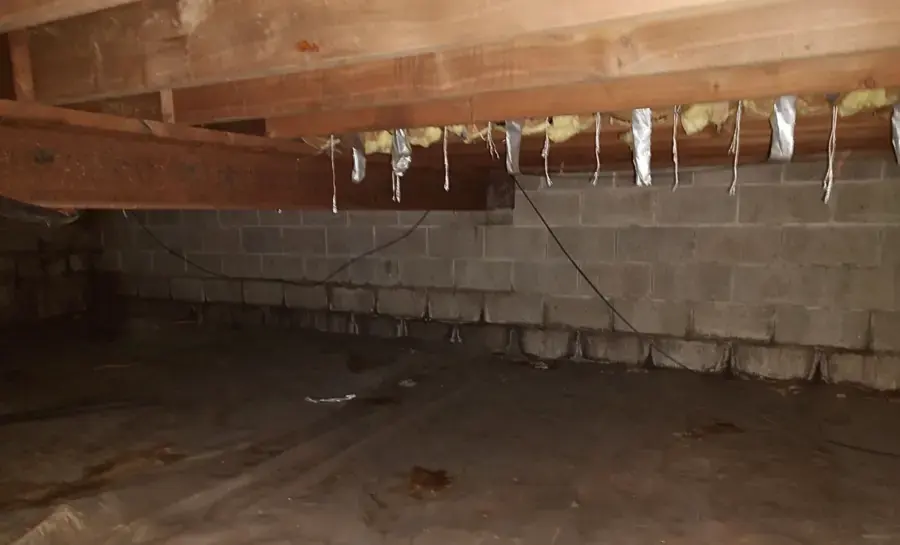 Frozen Pipe CleanupHard-freeze splits in vented crawl spaces and outside walls, usually found when the thaw starts.View service
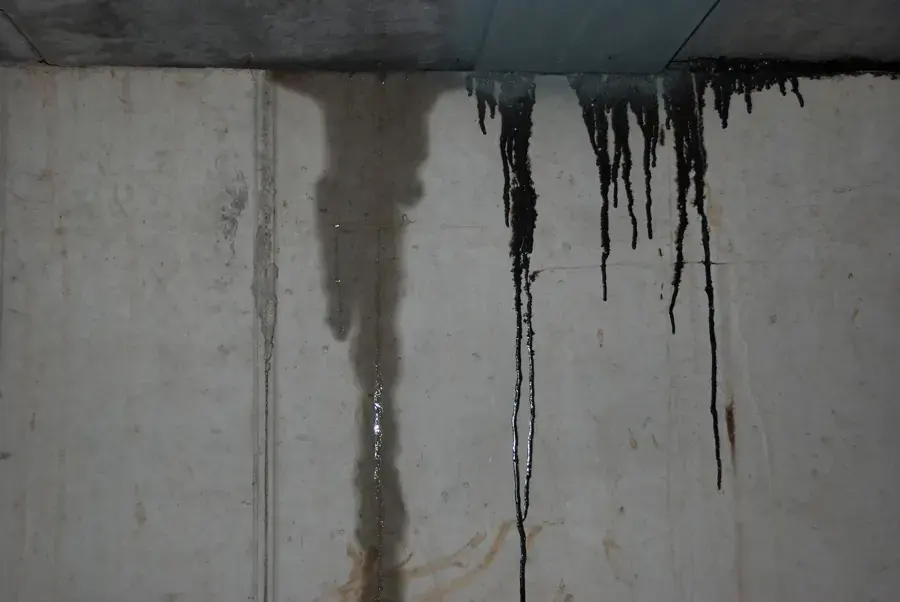 Storm Water DamageAtmospheric-river rain driven through siding, windows, doors and crawl vents.View service
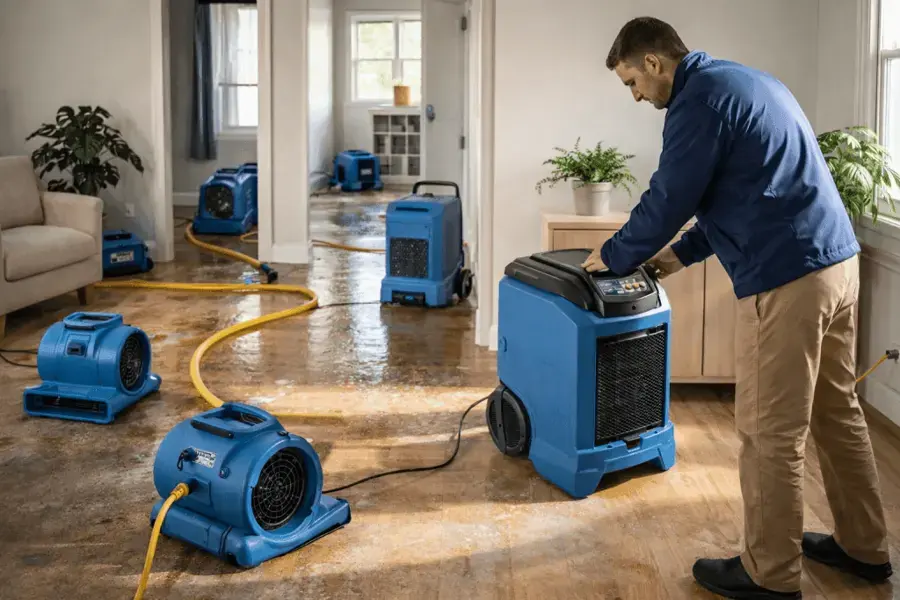 Structural DryingAir movers, LGR and desiccant dehumidifiers run until readings meet the drying goal.View service
How do I know there is water in my crawl space?
Common signs are a musty smell, a cold damp floor, cupping hardwood, a jump in the water bill or a running sound with every fixture off. A look through the hatch with a flashlight usually confirms it.
Can a crawl space just dry on its own?
Rarely, and not fast enough. With vents open in a wet winter the air under the house stays damp, so wood can stay wet for weeks. Mold can start inside 24 to 48 hours.
Does all the insulation have to come out?
Only what is wet. The tech maps the wet area with meters, and the soaked batts and torn vapor barrier in that area come out so the wood can dry.
Is storm water in a crawl space treated differently?
Yes. Runoff carries soil, yard chemicals and bacteria, so it is Category 3 and gets containment, removal of porous materials and an antimicrobial before drying.
How long does crawl space drying take?
Joists and subfloor usually take four to seven days, longer in a cold wet stretch. Equipment comes out when readings meet the drying goal, not on a set date.
Will insurance cover water under the house?
A sudden pipe failure is commonly covered, while ground water and flood water are usually excluded or need flood coverage. Coverage depends on your policy, so it is worth checking with your own insurer.
Should the crawl space vents be closed after drying?
That depends on the house. The drying team manages vents during drying, and the long-term choice between vented and sealed belongs to the repair phase.
Water under your Grants Pass home? Call now.
The restoration team pumps the crawl space, pulls what is soaked and dries the framing to a verified reading.
(888) 373-8814Get the crawl space dried out