Sewage Backup Cleanup in Jacksonville, OR
Rogue Valley Sewer Services runs the public sewer in Jacksonville, and the system can overflow during flood events. When sewage backs into a building, the restoration team contains it, removes what it touched and disinfects before drying.
(888) 373-8814Sewage backing up? Call now for containment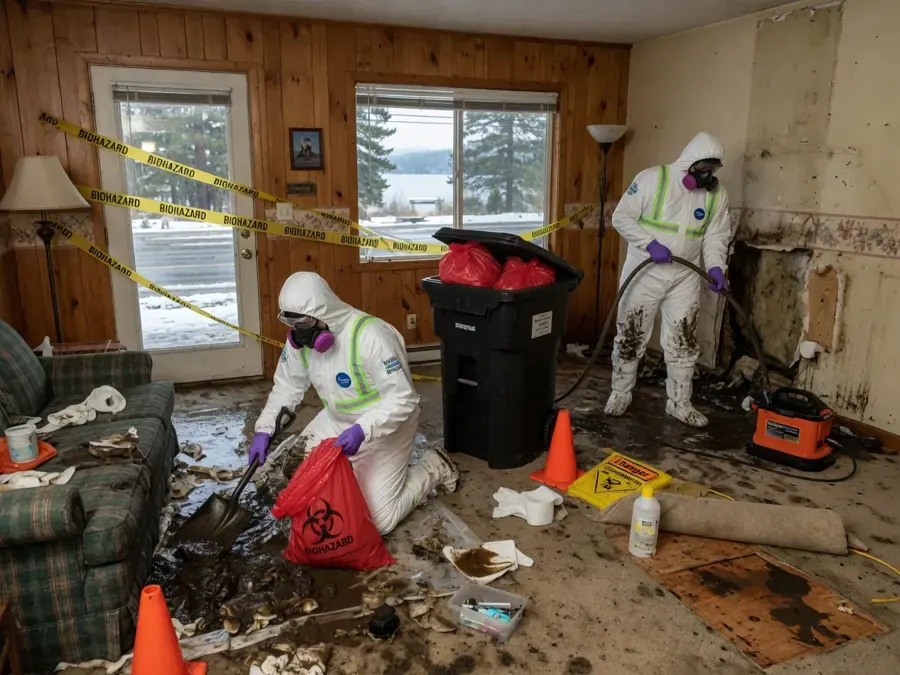
First steps when sewage backs up in a Jacksonville building
Do now
- 1Stop using water. Do not flush, run a sink or start the washer, because every drain in the building may feed the same blockage
- 2Keep people out. Close the door to the affected room and keep family members and pets away from the water
- 3Switch off wet circuits. Turn off breakers for flooded rooms from a dry floor only, and skip any panel standing in water
- 4Document, then call. Photograph the backup and the affected rooms from a doorway, then report where it started
Hold off
- Cleaning sewage up with bare hands
- Running fans that spread contamination
- Pouring cleaners or bleach into the drain
How sewage backup cleanup is handled by the Jacksonville restoration crew
Sewage work is containment first. The area is sealed, the contaminated materials leave, and only then does the structure dry.
Rapid local response
The response team works day and night across Jacksonville and the Rogue Valley, weekends and storm nights included, and treats active water as urgent.
IICRC S500 drying standard
The drying team works to the industry drying standard and pulls equipment only when readings say dry, not when a surface looks dry.
Claim-ready documentation
Moisture maps, daily readings and timestamped photos go into a drying log that an adjuster, a landlord and the owner can all read.
Rogue Valley water experts
Crawl spaces, manufactured homes, wells, septic systems and old galvanized pipe are everyday work, so the crew checks under the floor, not just the wet room.
What does sewage backup cleanup cost in Jacksonville, OR?
In Jacksonville, OR, sewage backup cleanup typically runs $1,500 to $10,000 or more, not counting the drain repair. A small backup at one fixture sits low; sewage across several rooms or into the walls and floors sits high.
- Single fixture backup$1,500 to $3,500
- Area contained
- Affected materials removed
- Surfaces disinfected
- Several rooms$3,500 to $7,000
- Pad and drywall removed
- Air scrubbers running
- Moisture readings daily
- Into walls and floors$7,000 to $10,000+
- Floor system opened
- Extended containment
- Longer drying
The drivers are the water category, the square footage, the material class and how fast drying started. For a planning range, try the water damage cost calculator.
The sewage backup cleanup process in Jacksonville
- 1
Seal the area
Plastic barriers and a negative-pressure HEPA scrubber keep contaminated air from reaching the clean rooms.
- 2
Remove the contaminated
Carpet, pad, drywall and insulation that soaked up sewage are cut out, bagged and carried out, since porous material cannot be made clean.
- 3
Disinfect
Framing, subfloor and hard surfaces are cleaned and treated with an EPA-registered antimicrobial before any drying begins.
- 4
Dry and verify
Dehumidifiers and air movers run to a daily meter log until the structure reads dry, and the log joins the claim file.
Sewage backups in Jacksonville have two common starts: a blockage in a building's own drain and an overload in the wider system. Rogue Valley Sewer Services owns and manages the public sanitary sewer collection system here, and the Jacksonville sewer system can overflow during flood events, when local storm drainage and creek water add to the load. A backup inside a building can be as small as a floor drain bubbling or as large as a flooded level, and either one needs the same first decision: contain it, then clean it.
Why every backup is Category 3
Sewage carries bacteria, viruses and waste, so water from a backup is Category 3 the moment it appears, even if it looks fairly clear. The restoration team treats it that way: the area is sealed, crew members wear respirators and protective suits, and nothing porous that touched the water is kept.
- Carpet and pad that soaked up the water are removed.
- Drywall and insulation that wicked it upward are cut out.
- Hard surfaces and framing are cleaned and disinfected.
- Soaked fabric and wood contents are flagged for disposal.
Flood weeks and storm drains
Jackson Creek and Daisy Creek are the two main flood sources, and flooding usually follows heavy snow met by warm rain. During those weeks, sewage and flood water can arrive together, so flood water cleanup in Jacksonville and sewage work often overlap. Water pooled in low spaces beneath floors is covered by crawl space water damage in Jacksonville.
After the cleanup
Once the area is disinfected, structural drying in Jacksonville brings the building back to a dry reading, and the documentation supports the insurance claim. In shared-wall downtown buildings, the crew also checks the neighboring side of each wall for moisture. Readings and photos are kept so an insurer, a landlord or the sewer service can see what happened and when.
Where sewage backup cleanup is handled around Jacksonville
Jacksonville water damage pros work throughout ZIP 97530, from the Historic District and the streets around California Street and Oregon Street to Pheasant Meadows, the Woodlands hillside and Britt Gardens. Crews also reach Royal Mobile Estates, the Third Street area and Oregon Highway 238.
See every area coveredRelated water damage services in Jacksonville
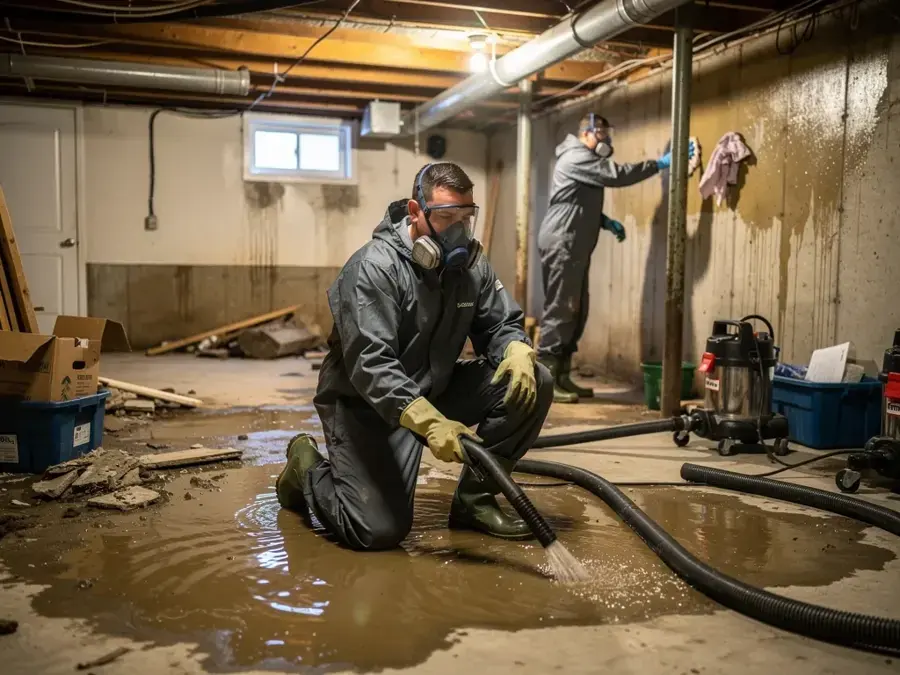 Flood Water Cleanup in JacksonvilleJackson Creek or Daisy Creek overflow is treated as black water from the first step.View service
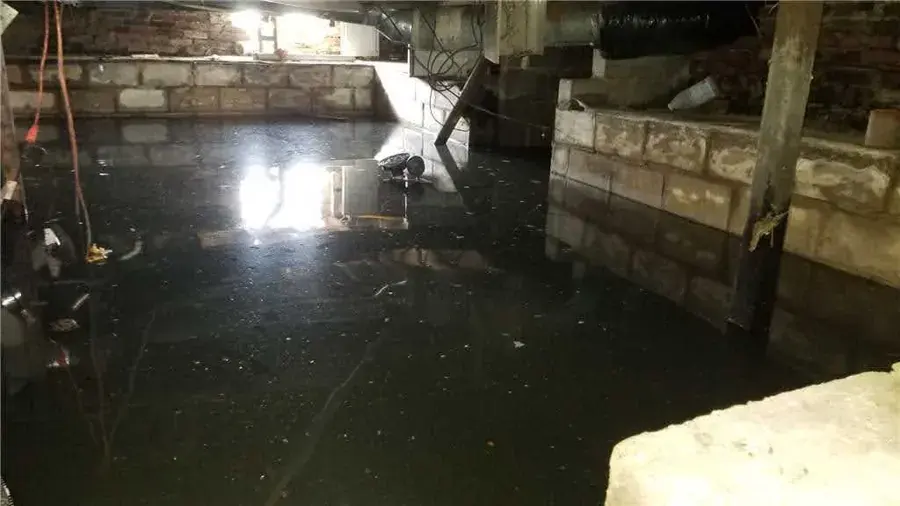 Crawl Space Water Damage in JacksonvilleWhere a home has a crawl space, water beneath the floor is pumped out and the framing dried.View service
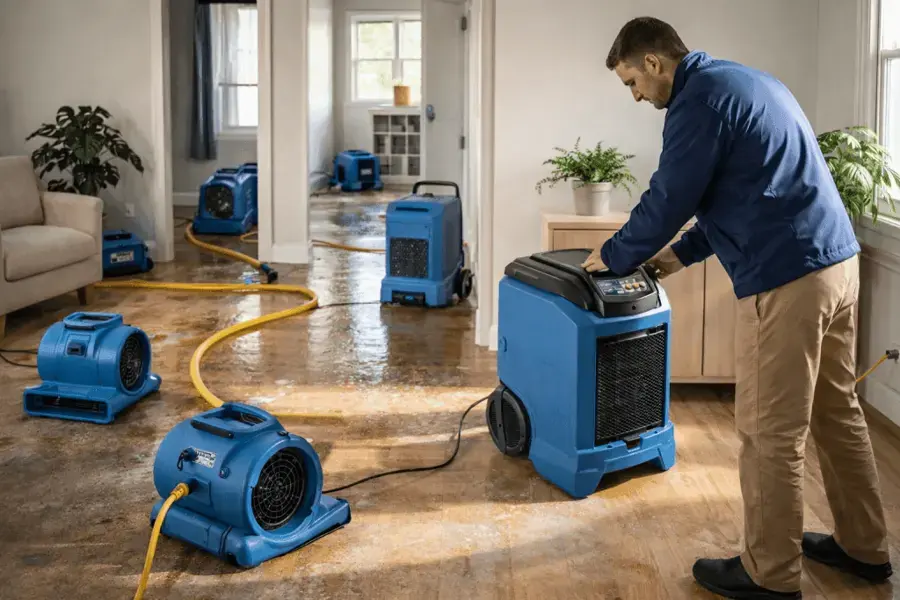 Structural Drying in JacksonvilleOld masonry, plaster and framing dried carefully, with readings logged against a clear goal.View service
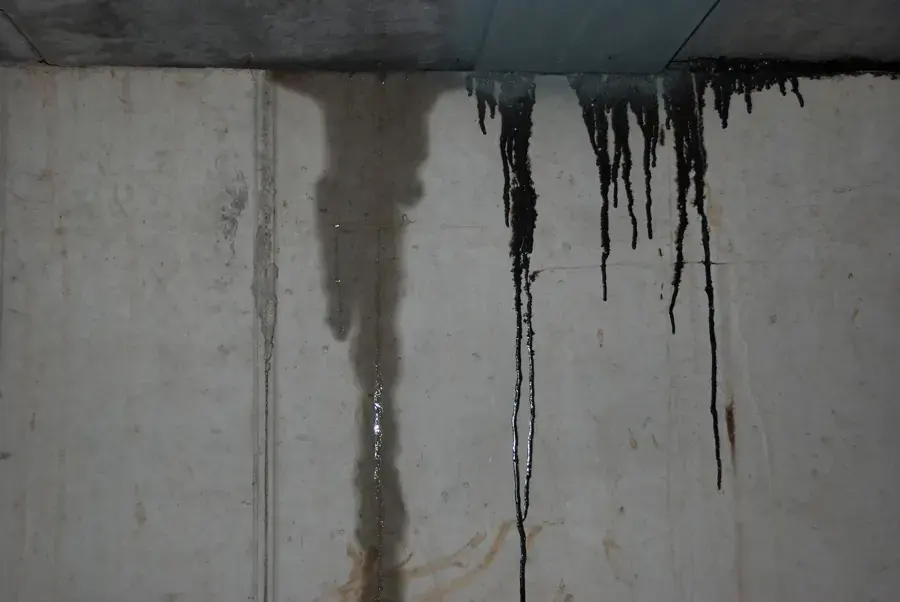 Storm Water Damage in JacksonvilleSnowmelt and warm rain pushed through roofs, windows and overloaded storm drainage.View service
Sewage Backup Cleanup in Grants PassCity sewer and rural septic backups, contained and removed as Category 3.View service
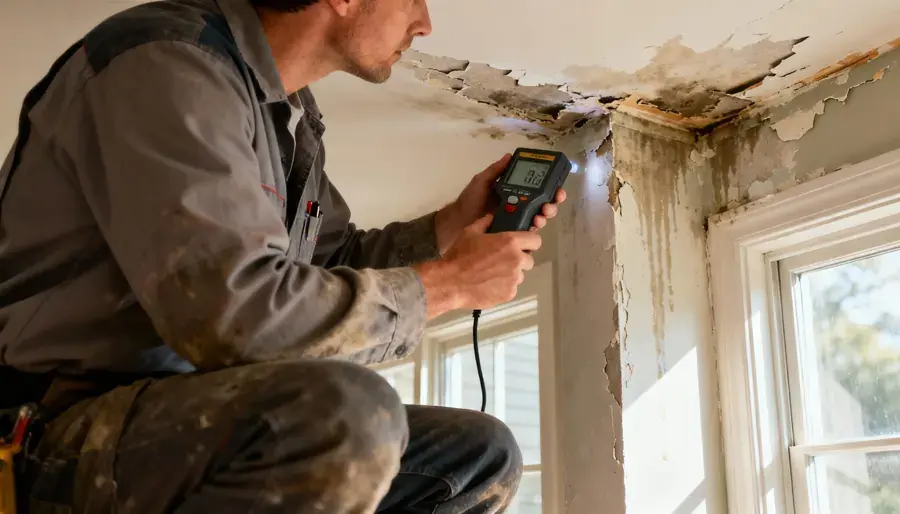 Water damage restoration in JacksonvilleAll fourteen services are tailored to Jacksonville's historic masonry, creek corridors, hillside streets and owner-occupied homes.View the town page
Who runs the public sewer in Jacksonville?
Rogue Valley Sewer Services owns and manages the public sanitary sewer collection system. It can overflow during flood events, and local storm drainage can add to the problem.
Why is sewage always Category 3?
It carries bacteria and waste, so even water that looks clear is treated as black water. Porous materials it touches are removed rather than dried.
Can I clean a small backup myself?
A small spill on a hard floor is still hazardous, because contamination can reach pad, grout and baseboards. Gloves and a bucket do not remove what soaked into porous materials.
Does flooding make sewer backups more likely?
It can. Creek flooding and storm drainage load the system during heavy snowmelt and warm rain, and the Jacksonville sewer system can overflow during flood events.
How long does the whole job take?
Removal and disinfection often take a day or two, and drying adds another three to five days. Structural drying in Jacksonville gear stays until readings match dry material.
Does insurance cover a sewer backup?
Often only with a sewer backup endorsement, and flood coverage may apply if creek water was involved. Coverage depends on the policy, so check with your own insurer and photograph everything first.
Should the neighbors be told?
In shared-wall buildings, yes. Contamination and moisture can pass through a common wall or floor, so the crew checks the adjoining space and the building owner should know what was found.
Sewage backing up in Jacksonville? Call now.
The extraction crew contains and removes the contamination, and the drying team brings the structure back to a dry, clean reading.
(888) 373-8814Contain the sewage backup now