Commercial Water Damage in Jacksonville, OR
Downtown Jacksonville's shops, inns, restaurants and tasting rooms occupy historic masonry buildings along California Street and Oregon Street. The restoration team extracts the water and dries in phases so the business can keep working where it can.
(888) 373-8814Business flooded? Call for commercial help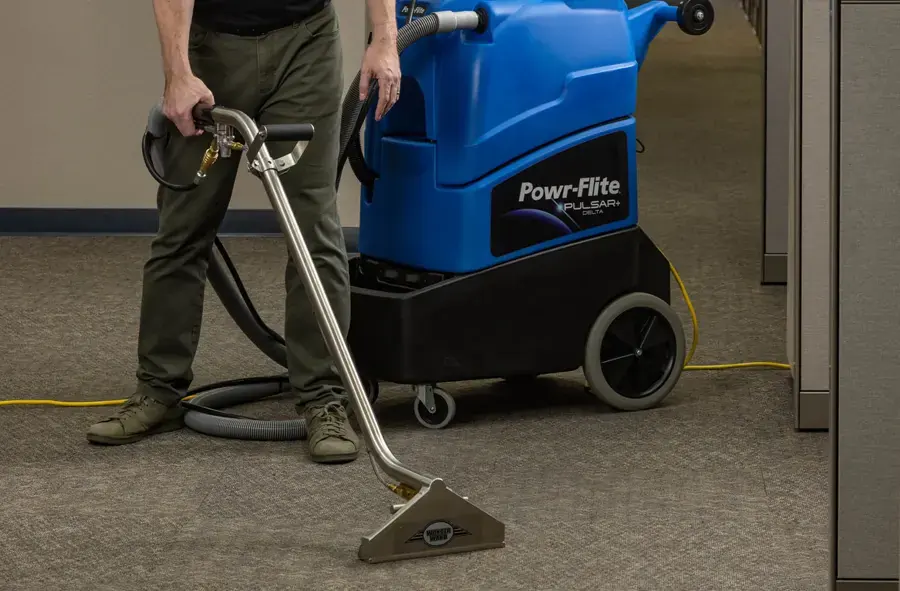
First steps when water hits a Jacksonville business
Do now
- 1Stop the source. Close the main valve or the leaking fixture's valve, and move staff and guests out of the wet area
- 2Cut power safely. Switch off breakers for wet areas from a dry floor, and keep staff away from wet cords and equipment
- 3Protect stock and records. Lift inventory, linens, books and paperwork off the floor, and photograph what cannot be moved
- 4Call with the details. Report the type of space, how many rooms or suites are wet and whether a shared wall is involved
Hold off
- Letting guests walk through wet areas
- Running kitchen equipment on wet floors
- Discarding stock before it is photographed
How commercial water damage is handled by the Jacksonville restoration crew
Commercial drying is staged: the busiest spaces first, the back rooms next, and equipment placed where customers do not walk.
Rapid local response
The response team works day and night across Jacksonville and the Rogue Valley, weekends and storm nights included, and treats active water as urgent.
IICRC S500 drying standard
The drying team works to the industry drying standard and pulls equipment only when readings say dry, not when a surface looks dry.
Claim-ready documentation
Moisture maps, daily readings and timestamped photos go into a drying log that an adjuster, a landlord and the owner can all read.
Rogue Valley water experts
Crawl spaces, manufactured homes, wells, septic systems and old galvanized pipe are everyday work, so the crew checks under the floor, not just the wet room.
What does commercial water damage cost in Jacksonville, OR?
In Jacksonville, OR, commercial water damage restoration typically runs $2,500 to $30,000 or more, depending on square footage, water category and how much of the building is wet. One storefront sits low; several suites or a whole floor sits high.
- One shop or room$2,500 to $8,000
- Water extracted
- Floors and base walls dried
- Short equipment stay
- Several suites$8,000 to $18,000
- Multiple rooms dried
- Containment where needed
- Daily readings
- Whole floor or Category 3$18,000 to $30,000+
- Large dehumidifiers
- Contaminated materials removed
- Extended monitoring
The drivers are the water category, the square footage, the material class and how fast drying started. For a planning range, try the water damage cost calculator.
The commercial water damage process in Jacksonville
- 1
Walk and scope
The crew walks the whole space with meters and a thermal camera, sets the water category and divides the building into drying zones.
- 2
Extract and protect
Truck-mounted extractors clear the standing water, while barriers keep wet areas apart from rooms still in use.
- 3
Dry in phases
Large dehumidifiers and air movers run zone by zone, with equipment moved at closing time so the business can work.
- 4
Document for owners
Room maps, readings and photos go into one record that the owner, the tenant and the insurer can all follow.
Downtown Jacksonville is a working historic district. Independently owned shops, tasting rooms, inns and restaurants fill historic buildings, including the Jacksonville Inn and Bella Union, and downtown is centered on California Street and Oregon Street. Most of the core is unreinforced masonry with shared walls, and the Jacksonville Historic District has more than 100 historic buildings. A leak in one of those buildings is rarely just one tenant's problem, and an inn with guest rooms above a dining room can have wet ceilings and wet floors in the same loss.
Seasons and crowds
The Britt Music & Arts Festival holds outdoor concerts on a hillside above downtown, bringing thousands of visitors in spring and summer. A water loss in that season hits a business at its busiest, so staging matters: the crew separates wet areas from open ones and keeps equipment out of the way of guests.
- Dining rooms, kitchens and tasting rooms are dried as separate zones.
- Equipment is placed along walls and moved at closing.
- Barriers keep dust and moisture away from open areas.
- Both sides of shared walls are metered.
Shared walls, neighbors and old masonry
Because many downtown buildings share walls, water can move from one business to the next. Meters are used on both sides of each shared wall, and masonry that dries slowly gets extra time, which structural drying in Jacksonville explains. When a pipe above a dining room fails, ceiling leak water damage in Jacksonville covers the ceiling below.
Records for owners and insurers
Owners, tenants and insurers all need the same record: room maps, readings, photos and a scope of work. If sewage is involved, sewage backup cleanup in Jacksonville adds containment and removal of contaminated materials before drying begins. Wine, food and linens that were in the water are set aside and photographed so the owner can list them for the claim, and nothing is thrown out until the record is complete.
Where commercial water damage is handled around Jacksonville
Jacksonville water damage pros work throughout ZIP 97530, from the Historic District and the streets around California Street and Oregon Street to Pheasant Meadows, the Woodlands hillside and Britt Gardens. Crews also reach Royal Mobile Estates, the Third Street area and Oregon Highway 238.
See every area coveredRelated water damage services in Jacksonville
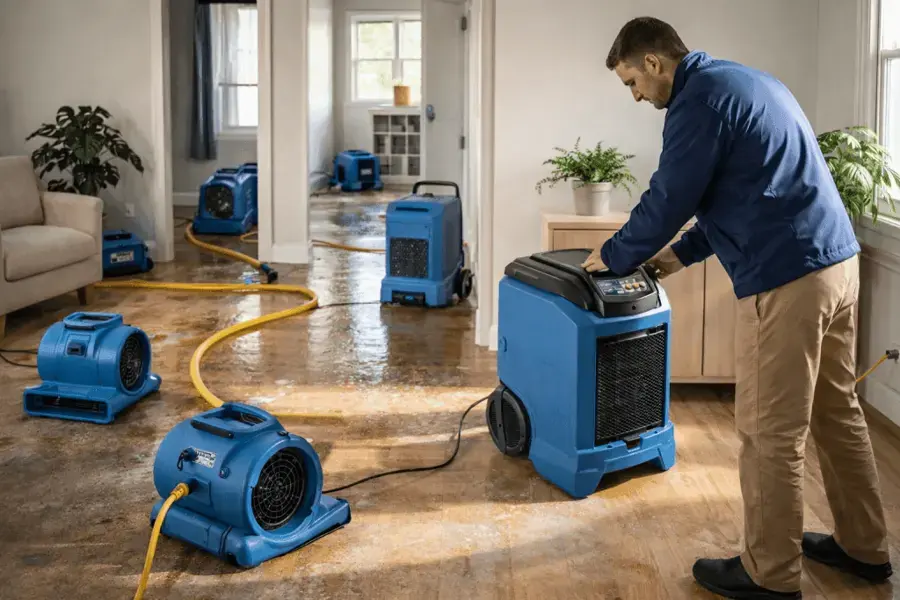 Structural Drying in JacksonvilleOld masonry, plaster and framing dried carefully, with readings logged against a clear goal.View service
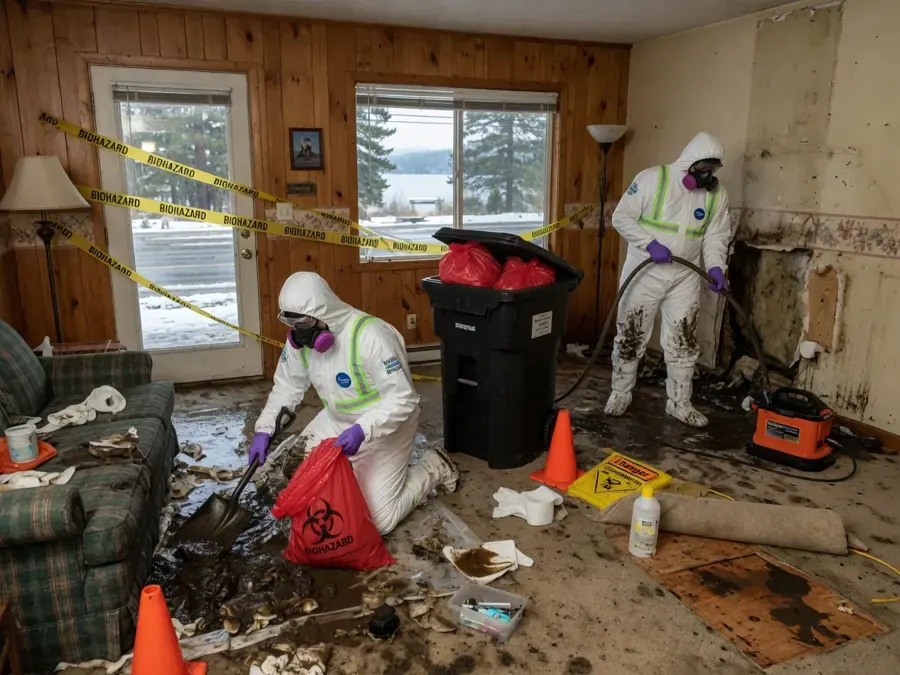 Sewage Backup Cleanup in JacksonvilleOverflows from the public sewer or a blocked drain contained, removed and treated as Category 3.View service
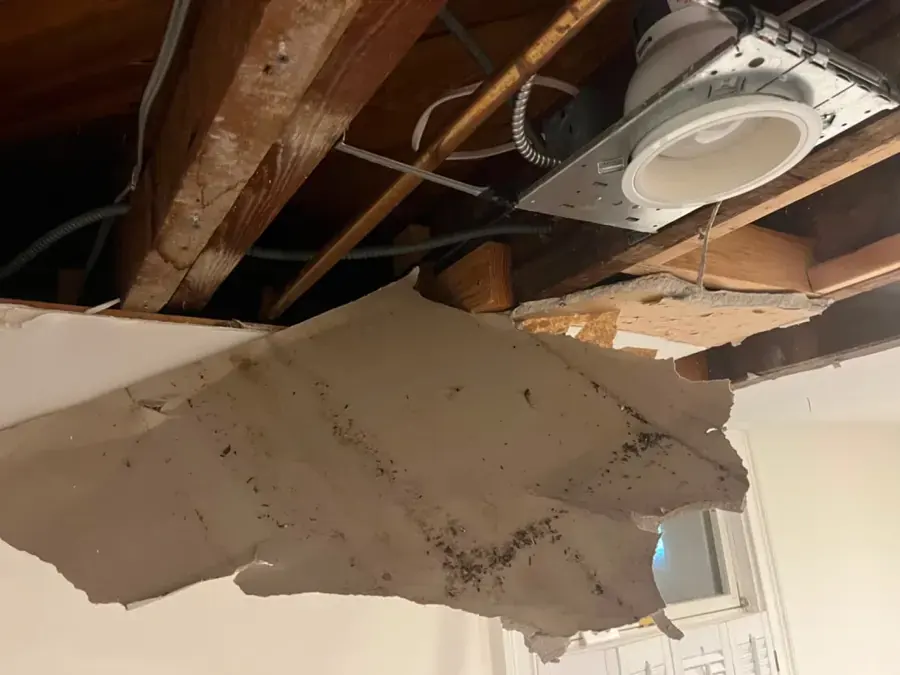 Ceiling Leak Water Damage in JacksonvilleA wet ceiling in an older building is opened and dried before drywall or plaster lets go.View service
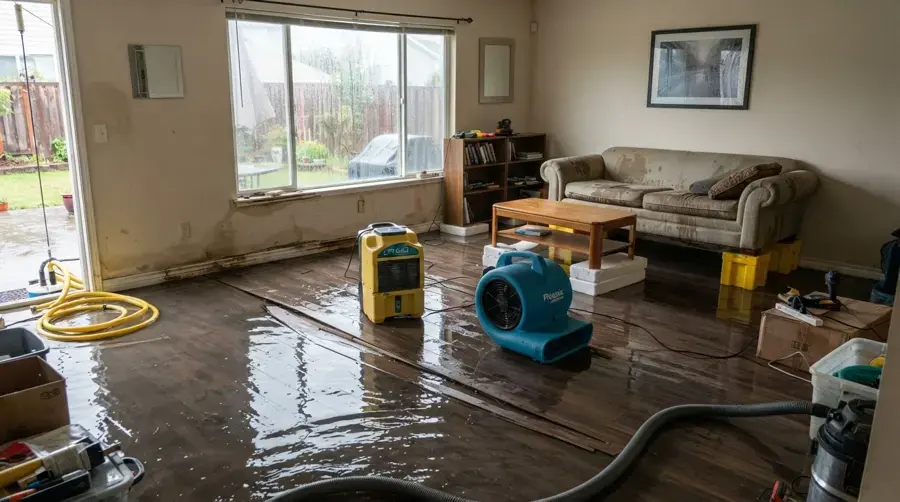 Water Extraction in JacksonvilleStorm rain, creek overflow or a failed pipe: standing water is pulled out before it wicks into plaster.View service
Commercial Water Damage in Grants PassDowntown storefronts, offices, restaurants and rentals dried around business hours.View service
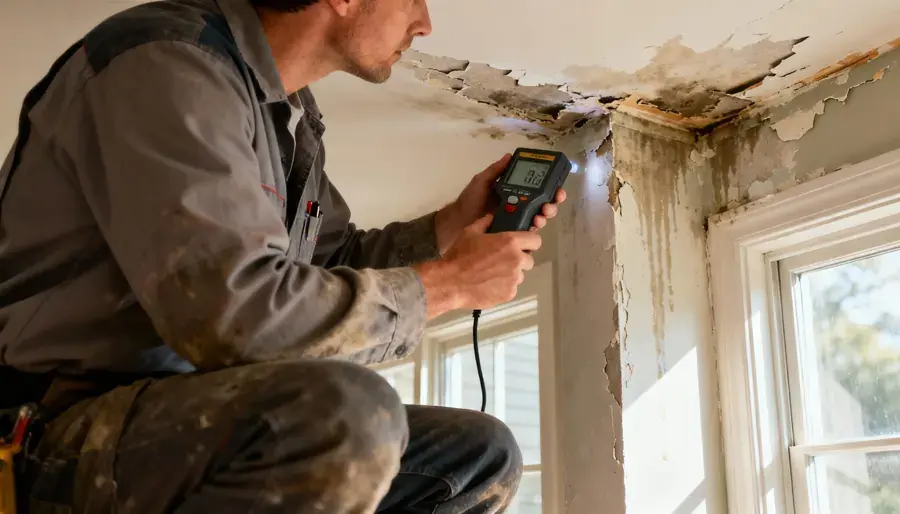 Water damage restoration in JacksonvilleAll fourteen services are tailored to Jacksonville's historic masonry, creek corridors, hillside streets and owner-occupied homes.View the town page
Can the business stay open during drying?
Often partly. The crew divides the building into zones, keeps equipment out of customer areas where possible and moves it at closing, so open rooms stay in use while wet ones are dried. Customer safety comes first.
Why does the Britt season matter?
The Britt Music & Arts Festival brings thousands of visitors to town in spring and summer, so a loss in those months hits a business at its busiest. Staged drying keeps downtime short.
How do shared walls change the work?
Water can pass through a shared wall into the next business. The crew meters both sides, checks ceilings below and tells owners what was found so each side can document it. That record helps neighbors and insurers.
Is a restaurant or tasting room handled differently?
Yes. Kitchens, cellars and dining rooms are dried as separate zones, and any sewage or drain water is contained and removed before drying so food areas stay protected.
How long does commercial drying take?
A contained loss often takes three to five days, and thick masonry or several suites take longer. Daily readings show when each zone reaches its target, and equipment is released zone by zone.
What does an insurer need?
Room maps, daily moisture readings, dated photos, the water category and a scope of work. Coverage depends on the policy, so owners and tenants should check with their own insurers.
Water in your Jacksonville business? Call now.
The extraction crew clears the water, and the drying team dries each zone in turn until the readings show a dry building.
(888) 373-8814Start the commercial dry-out