Manufactured Home Water Damage in Jacksonville, OR
Royal Mobile Estates holds 155 manufactured home sites built in 1968, and older homes there take leaks and winter freezes hard. The restoration team drains the belly, removes soaked insulation and dries the floor system to a measured goal.
(888) 373-8814Soft floor in a mobile home? Call now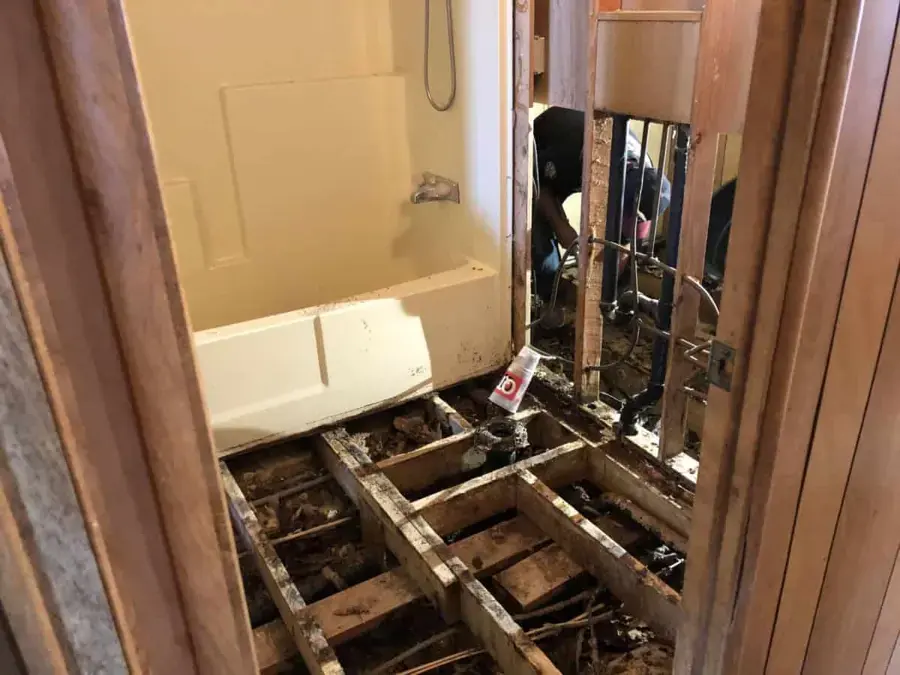
First steps when a Jacksonville manufactured home leaks
Do now
- 1Shut the water. Close the shutoff valve at the home, then open a faucet to relieve what is left in the pipes
- 2Cut power to wet areas. Switch off breakers for wet rooms from a dry floor, and keep out from under the home near wet wiring
- 3Check the floor. Press along the floor for soft spots near the bathroom, kitchen and water heater, and photograph them
- 4Call with details. Report where the floor feels soft, whether water drips beneath the home and how old the flooring is
Hold off
- Crawling under the home while it drips
- Walking again and again on a spongy floor
- Sealing the belly before it is checked
How manufactured home water damage is handled by the Jacksonville restoration crew
In a manufactured home, water often hides in the belly wrap while the floor above slowly swells. Drying means reaching both.
Rapid local response
The response team works day and night across Jacksonville and the Rogue Valley, weekends and storm nights included, and treats active water as urgent.
IICRC S500 drying standard
The drying team works to the industry drying standard and pulls equipment only when readings say dry, not when a surface looks dry.
Claim-ready documentation
Moisture maps, daily readings and timestamped photos go into a drying log that an adjuster, a landlord and the owner can all read.
Rogue Valley water experts
Crawl spaces, manufactured homes, wells, septic systems and old galvanized pipe are everyday work, so the crew checks under the floor, not just the wet room.
What does manufactured home water damage cost in Jacksonville, OR?
In Jacksonville, OR, drying a manufactured home after a leak typically costs $1,200 to $9,000. A small leak drained from the belly early sits low; a long leak that swelled the decking in several rooms sits high.
- Small leak, found early$1,200 to $2,800
- Belly drained
- Insulation section pulled
- Floor dried
- Swollen decking$2,800 to $6,000
- Wet belly insulation removed
- Decking section dried
- Daily meter checks
- Long leak, many rooms$6,000 to $9,000+
- Floor system opened
- Several rooms dried
- Extended equipment stay
The drivers are the water category, the square footage, the material class and how fast drying started. For a planning range, try the water damage cost calculator.
The manufactured home water damage process in Jacksonville
- 1
Open the belly
The crew opens the belly wrap at the wet area to find where water is collecting, then drains it.
- 2
Pull the wet layer
Soaked insulation and damaged wrap are removed, and flooring is lifted where the decking has swollen.
- 3
Dry the floor system
Dehumidifiers and air movers run through the belly and floor until decking and joists read dry.
- 4
Check and close
Meters confirm the floor system is dry before the belly is closed, and the readings join the claim file.
Royal Mobile Estates is a 55 and older manufactured home park of 155 sites, built in 1968. Homes of that vintage have lived through many Jacksonville winters, with December and January lows near 30 degrees F and about 21 inches of rain a year. Leaks and freezes affect older manufactured homes in a particular way: the water goes down, not out.
Where the water hides
- Belly insulation that soaks up water from a split supply pipe.
- Particleboard decking that swells beside a bathroom, kitchen or water heater.
- Drain pipes that leak slowly and keep the floor system damp.
- Floor covering that hides all of it until the floor feels soft.
The community is restricted to residents 55 and older, so a slow leak behind a closed door can run a long time before anyone notices. Water in a belly does not drain away by itself, so it sits against the decking and insulation until someone opens it. Early checks of the floor near fixtures catch most problems while they are small.
Winter freezes under the home
A supply pipe in the belly can freeze on a night near 30 degrees F and split. When it thaws, water drops into the insulation and soaks upward through the decking. Frozen pipe cleanup in Jacksonville covers the thaw, and water heater leak cleanup in Jacksonville covers a tank failure in a utility closet.
Drying the floor system
The drying team opens the belly where meters show moisture, removes insulation that has soaked, and dries the decking and joists before anything is closed back up. Readings are logged daily so an owner, a landlord or an insurer can follow the work from the first visit to the last. Vinyl or carpet is lifted where the decking has swollen so the material below can dry, and any section that has lost its strength is flagged for replacement before anyone walks on it.
Where manufactured home water damage is handled around Jacksonville
Jacksonville water damage pros work throughout ZIP 97530, from the Historic District and the streets around California Street and Oregon Street to Pheasant Meadows, the Woodlands hillside and Britt Gardens. Crews also reach Royal Mobile Estates, the Third Street area and Oregon Highway 238.
See every area coveredRelated water damage services in Jacksonville
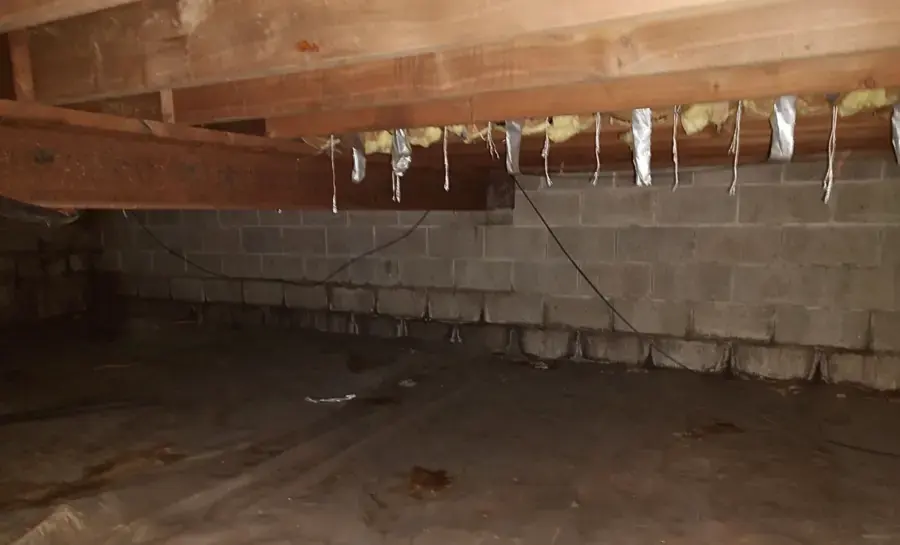 Frozen Pipe Cleanup in JacksonvilleNights near 30 degrees split exposed pipe; soaked walls and flooring are dried afterward.View service
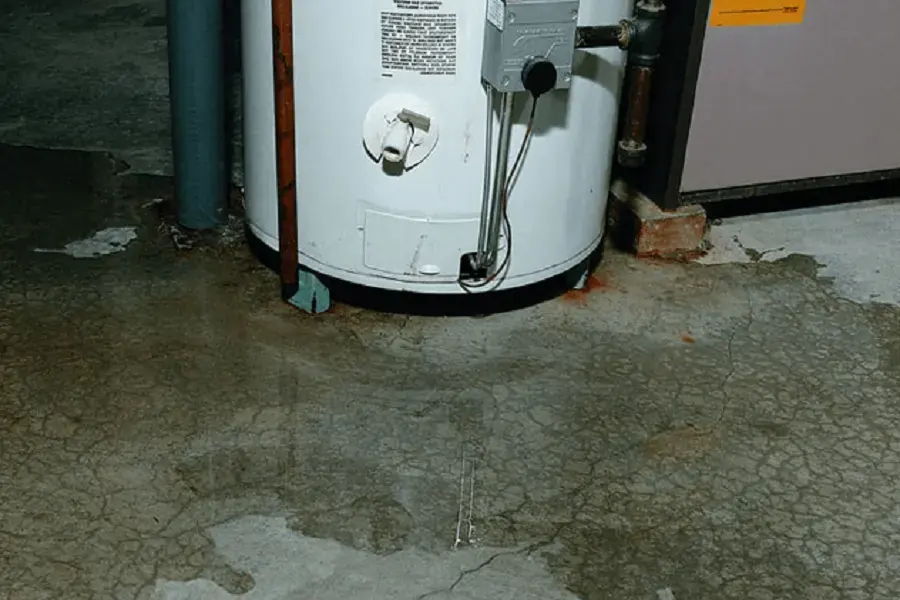 Water Heater Leak Cleanup in JacksonvilleCloset and utility room tank leaks, with the flooring, walls and cabinetry nearby dried out.View service
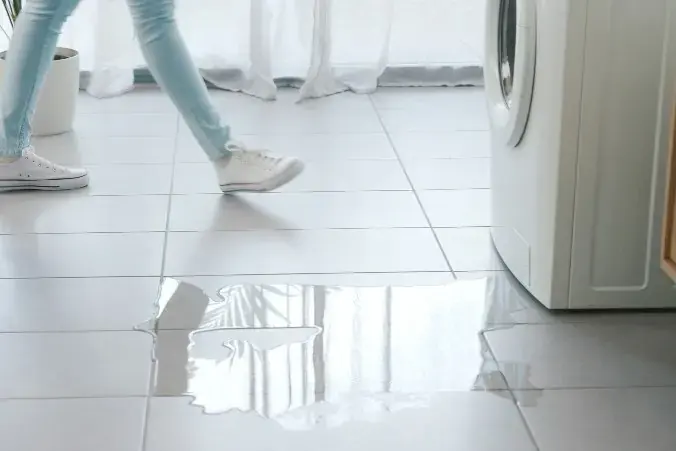 Appliance Leak Cleanup in JacksonvilleA washer, dishwasher or ice-maker leak that ran unnoticed beneath a floor or cabinet.View service
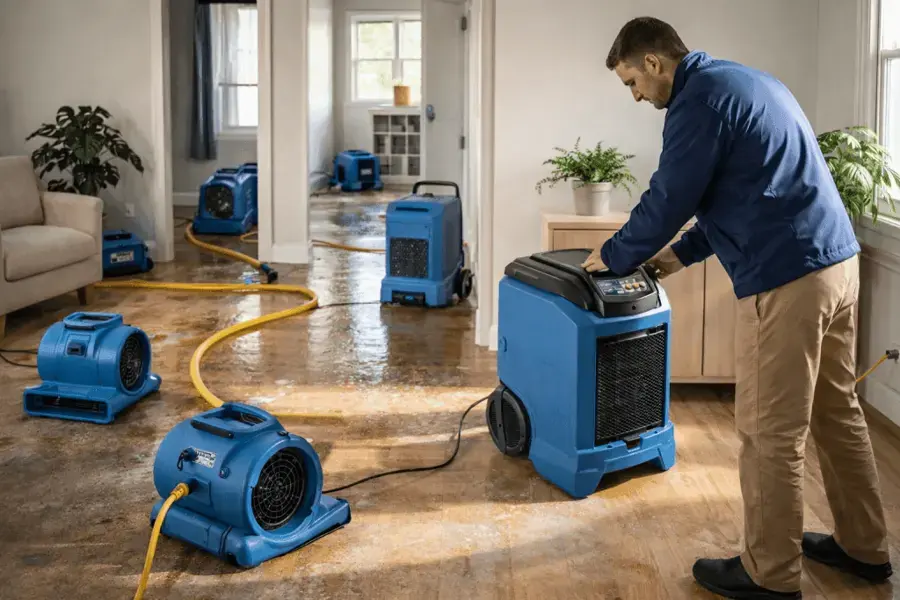 Structural Drying in JacksonvilleOld masonry, plaster and framing dried carefully, with readings logged against a clear goal.View service
Manufactured Home Water Damage in Grants PassUnderbelly pipes, soaked belly insulation and swollen particleboard decking.View service
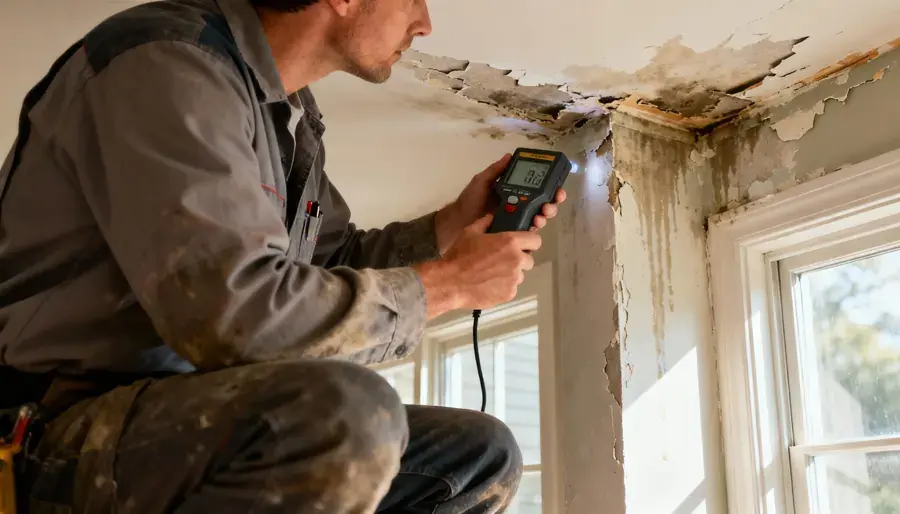 Water damage restoration in JacksonvilleAll fourteen services are tailored to Jacksonville's historic masonry, creek corridors, hillside streets and owner-occupied homes.View the town page
Why does the floor of a manufactured home go soft after a leak?
Particleboard decking swells quickly when it gets wet, and belly insulation holds water against it from below. The floor can feel solid until the decking loses its strength.
Is the belly opened for every leak?
Only where meters show moisture. A small leak caught early may need only a limited opening, while a long leak calls for opening the wet section and removing soaked insulation.
What does a winter freeze do to a manufactured home?
A supply pipe in the belly can freeze on a night near 30 degrees F and split. The water then drops into the insulation and soaks the decking from below, often unseen until the floor softens.
Can a slow leak go unnoticed?
Yes. A slow leak under a sink or beside a water heater can run for weeks, especially in a closed room. Checking the floor near fixtures catches many problems early.
How long does drying a manufactured home take?
Usually three to five days for a contained loss, longer for swollen decking. Structural drying in Jacksonville equipment stays until the floor system meters dry.
Does insurance cover a leak in a manufactured home?
A sudden pipe break is often covered, while a slow leak over time may not be. Coverage depends on the policy, so check with your own insurer and photograph the damage before repairs.
Leak in your Jacksonville manufactured home? Call now.
The extraction crew drains the belly and the drying team dries the floor system until the decking reads dry.
(888) 373-8814Get the floor dried out