Frozen Pipe Cleanup in Jacksonville, OR
Jacksonville nights drop near 30 degrees F in December and January, and ice storms can knock out power and heat. When a frozen pipe splits and thaws, the restoration team extracts the water and dries the walls and floors it reached.
(888) 373-8814Pipe thawing and leaking? Call now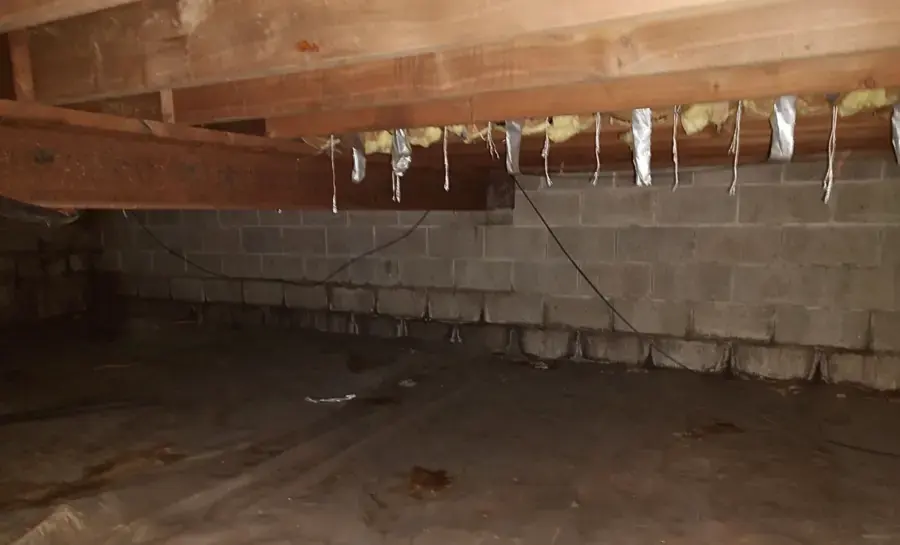
First steps when a frozen pipe starts leaking in Jacksonville
Do now
- 1Close the main. Shut the valve where the water service enters, then open a faucet to drain what is left in the pipes
- 2Leave the ice alone. Never thaw a pipe with a flame; gentle warmth suits only a pipe that has not split
- 3Power off wet areas. Switch off breakers for wet walls and ceilings from a dry floor, and keep lamps and cords clear
- 4Photograph, then call. Capture the split, the wet surfaces and any stain on the ceiling below, then phone with the rooms affected
Hold off
- Using an open flame to thaw a pipe
- Restoring water before the split is found
- Closing up wet walls over trapped moisture
How frozen pipe cleanup is handled by the Jacksonville restoration crew
A freeze split stays quiet until the ice melts, then the water arrives all at once. Finding where it traveled comes first.
Rapid local response
The response team works day and night across Jacksonville and the Rogue Valley, weekends and storm nights included, and treats active water as urgent.
IICRC S500 drying standard
The drying team works to the industry drying standard and pulls equipment only when readings say dry, not when a surface looks dry.
Claim-ready documentation
Moisture maps, daily readings and timestamped photos go into a drying log that an adjuster, a landlord and the owner can all read.
Rogue Valley water experts
Crawl spaces, manufactured homes, wells, septic systems and old galvanized pipe are everyday work, so the crew checks under the floor, not just the wet room.
What does frozen pipe cleanup cost in Jacksonville, OR?
In Jacksonville, OR, frozen pipe cleanup typically runs $900 to $6,000, not counting the plumbing repair. A split caught as the ice melts sits low; a pipe that ran for hours into walls and floors sits high.
- Caught at the thaw$900 to $2,200
- One room affected
- Water extracted
- Quick cavity check
- Walls and flooring wet$2,200 to $4,200
- Wet insulation pulled
- Drying holes drilled low
- Daily readings
- Ran for hours$4,200 to $6,000+
- Ceiling below opened
- Several rooms dried
- Extended equipment stay
The drivers are the water category, the square footage, the material class and how fast drying started. For a planning range, try the water damage cost calculator.
The frozen pipe cleanup process in Jacksonville
- 1
Find the split
The technician traces the water with a thermal camera and meters, because the wet area is often far from the cracked section of pipe.
- 2
Extract and open
Standing water is pulled out, baseboards come off, and small holes at the base of wet walls let dry air reach the cavity.
- 3
Dry the cavity
Air movers and LGR dehumidifiers run until insulation, studs and subfloor read dry, and soaked pieces that cannot recover are removed.
- 4
Check the ceiling below
Any ceiling under a wet floor is checked for sag, and the daily readings join the claim file.
Jacksonville is cold enough for freeze splits without being a hard-freeze town every night. Climate averages list daily lows near 30 degrees F in December and January, and winter storms are most common from November through March. Ice storms and strong winds have blown down trees here, cutting power and blocking streets, and a house without heat can lose its warmth quickly.
Houses that sit cold
About 9.4 percent of Jacksonville's 1,651 housing units were vacant at the 2020 Census, and an empty house with the heat set low or off is the classic place for a frozen pipe to run unnoticed. The historic core dates to the 1850s through the 1880s, and older buildings often route pipe through outside walls and unheated spaces where cold collects.
The damage shows up at the thaw
Ice can hold a split closed until temperatures climb, so the leak often begins on the first mild afternoon. By then water has usually run into insulation and the bottom of the wall, and plaster and drywall pull it upward. The crew finds the path with thermal imaging before setting any gear. A thaw can also reveal several splits at once, since one cold night stresses every exposed pipe, so the crew meters every wall on that side of the house, not only the wettest one. If the break came from pressure instead of cold, burst pipe cleanup in Jacksonville covers that case.
Before the next cold snap
A plumber repairs the split, and the drying team handles the structure. The pipe freeze risk check rates a building's exposure ahead of the next freeze, and where water reached the space under a floor, crawl space water damage in Jacksonville covers that side of the loss. Owners of rental or second homes can ask a neighbor to check the heat during storms, since a leak in an empty building runs the longest.
Where frozen pipe cleanup is handled around Jacksonville
Jacksonville water damage pros work throughout ZIP 97530, from the Historic District and the streets around California Street and Oregon Street to Pheasant Meadows, the Woodlands hillside and Britt Gardens. Crews also reach Royal Mobile Estates, the Third Street area and Oregon Highway 238.
See every area coveredRelated water damage services in Jacksonville
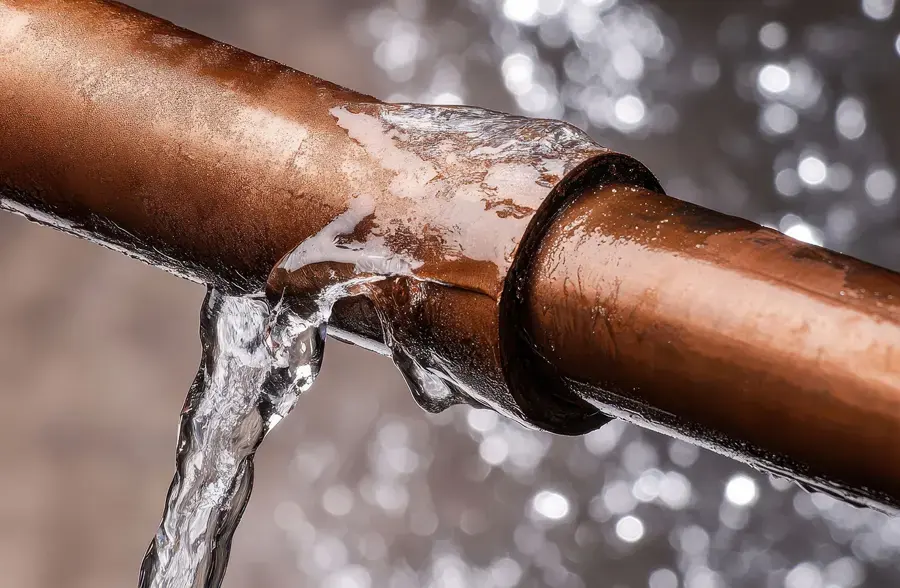 Burst Pipe Cleanup in JacksonvillePipe failures in homes built before 1990, dried inside the wall cavity and not only on the surface.View service
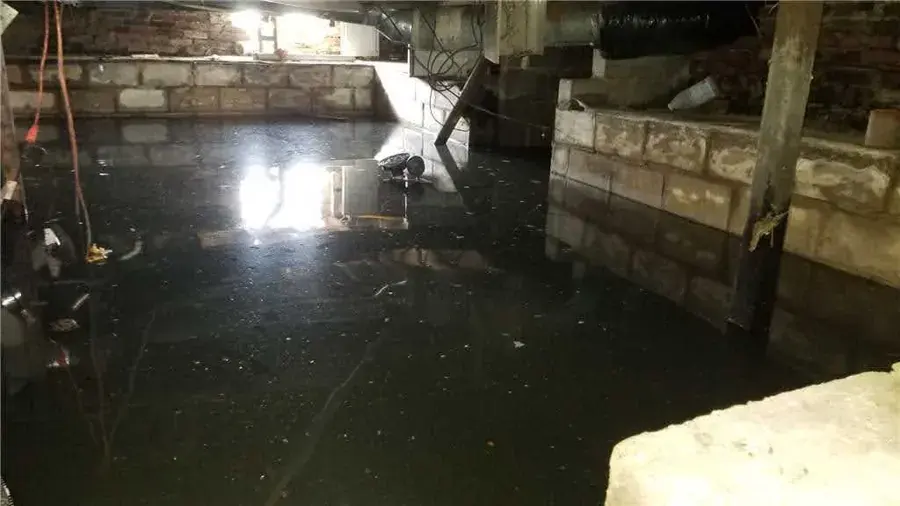 Crawl Space Water Damage in JacksonvilleWhere a home has a crawl space, water beneath the floor is pumped out and the framing dried.View service
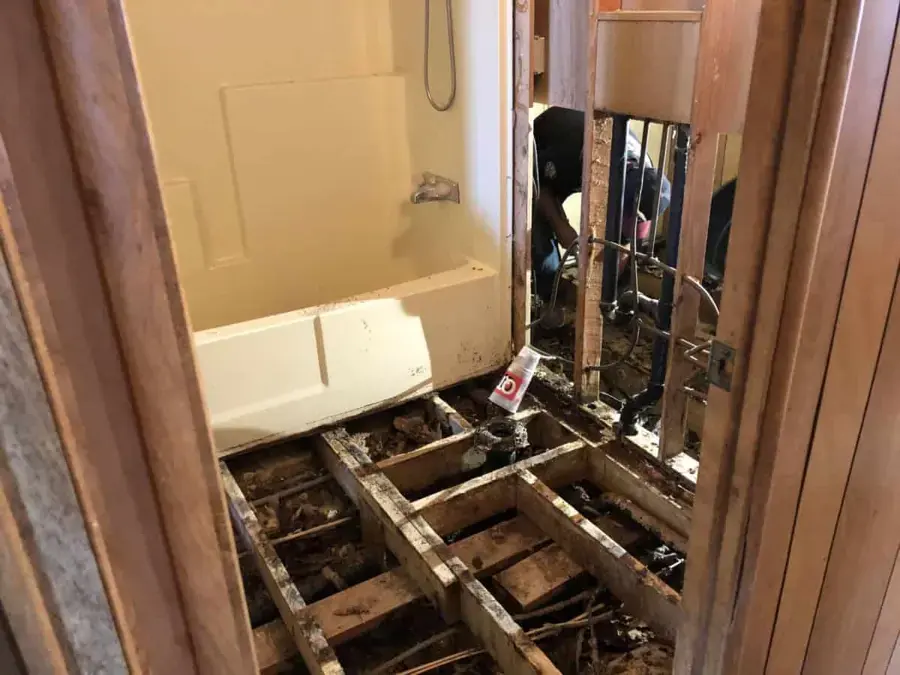 Manufactured Home Water Damage in JacksonvilleFloors, belly insulation and pipes dried in older homes at Royal Mobile Estates.View service
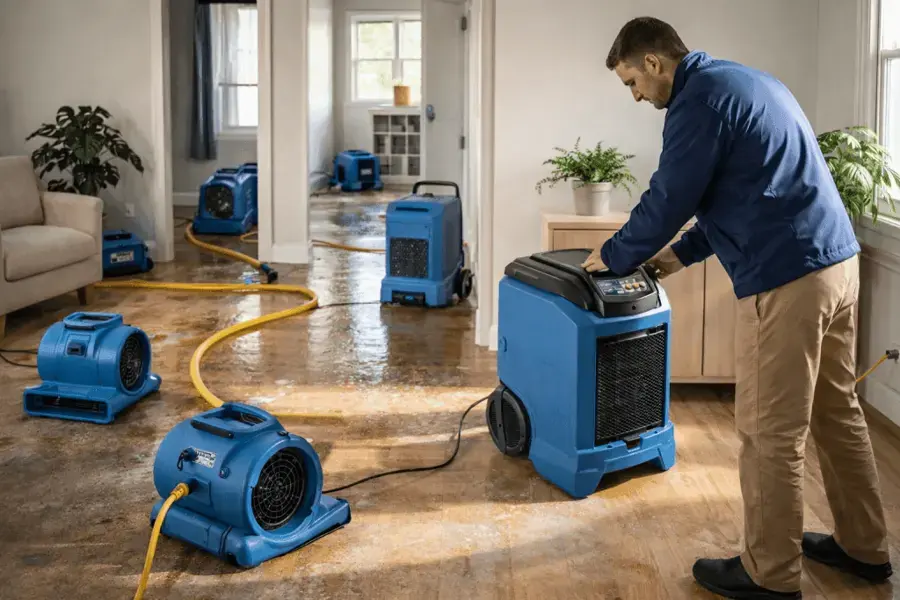 Structural Drying in JacksonvilleOld masonry, plaster and framing dried carefully, with readings logged against a clear goal.View service
Frozen Pipe Cleanup in Grants PassHard-freeze splits in vented crawl spaces and outside walls, usually found when the thaw starts.View service
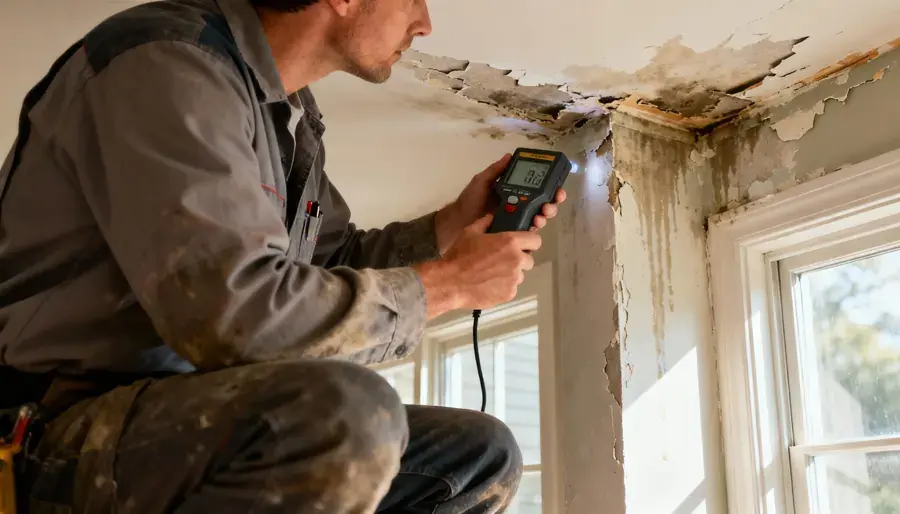 Water damage restoration in JacksonvilleAll fourteen services are tailored to Jacksonville's historic masonry, creek corridors, hillside streets and owner-occupied homes.View the town page
Why do pipes leak after the freeze ends?
Ice plugs a split like a cork. When it melts, water flows through the crack and into the wall or floor, so the damage appears on the first mild day.
How cold does it get in Jacksonville?
Climate averages list daily lows near 30 degrees F in December and January. Winter storms are most common from November through March, and ice storms can cut power and heat. Pipes in outside walls and unheated spaces are the first to be at risk.
Can a vacant house freeze?
Yes. About 9.4 percent of Jacksonville housing units were vacant in 2020, and an unheated or low-heat house can freeze a pipe and leak for days before anyone notices.
Does a power outage raise the risk?
It can. Ice storms and winds have blown down trees in Jacksonville, cutting power. Without heat, outside walls cool quickly, so keep a faucet dripping if the outage runs long.
How long does drying a freeze split take?
Most freeze losses dry in about three to five days. Wet plaster takes longer, and structural drying in Jacksonville gear stays until readings match dry material.
Does insurance cover a frozen pipe?
A sudden freeze break is often covered, though insurers may ask whether heat was left on. Coverage depends on the policy, so check with your own insurer and keep the repair invoice and photos.
Frozen pipe leaking in Jacksonville? Call now.
The extraction crew removes the water, and the drying team dries walls and floors until readings match dry framing.
(888) 373-8814Dry out the freeze damage