Manufactured Home Water Damage in Rogue River, OR
The city counts 153 mobile or manufactured homes, and a slow leak under one can soften the floor before anyone sees a stain. The drying team drains the belly, removes decking that swelled and dries the floor system underneath.
(888) 373-8814Soft floor or wet belly? Call the crew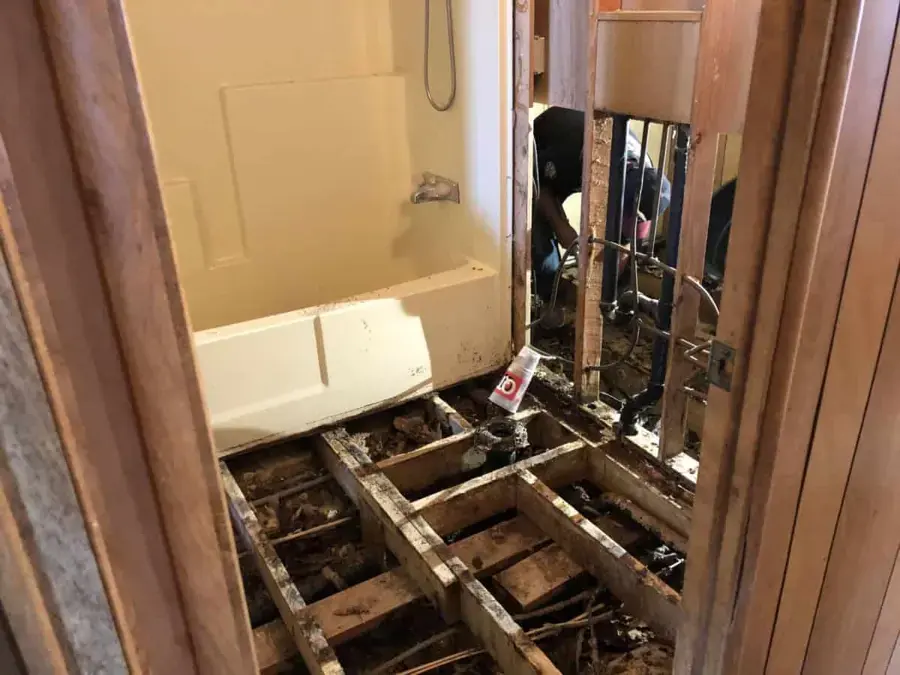
First steps when a Rogue River manufactured home is leaking
Do now
- 1Turn off the supply. Close the valve at the home or at the water heater, depending on where the leak sounds like it is
- 2Cut the breakers. Switch off circuits for wet rooms, standing on something dry, and skip any damp panel
- 3Check the skirting. Look at the skirting or the access panel for dripping, sagging belly material or standing water
- 4Record the soft spots. Photograph spongy flooring, stains and any water you see, then call for help
Hold off
- Pressing hard on a soft floor spot
- Cutting the belly wrap with no one to dry it
- Covering a damp floor with new flooring
How manufactured home water damage is handled by the Rogue River restoration crew
A home on a frame floor dries unlike a house on a foundation, so the crew works from the belly up and checks decking last.
Rapid local response
The response team works day and night across Rogue River and the Rogue Valley, weekends and storm nights included, and treats active water as urgent.
IICRC S500 drying standard
The drying team works to the industry drying standard and pulls equipment only when readings say dry, not when a surface looks dry.
Claim-ready documentation
Moisture maps, daily readings and timestamped photos go into a drying log that an adjuster, a landlord and the owner can all read.
Rogue Valley water experts
Crawl spaces, manufactured homes, wells, septic systems and old galvanized pipe are everyday work, so the crew checks under the floor, not just the wet room.
What does manufactured home water damage cost in Rogue River, OR?
Manufactured home water damage in Rogue River, OR usually costs $1,200 to $9,000. A small leak caught with the belly drained early stays low, while a long leak that swelled decking across several rooms sits near the top.
- Early catch$1,200 to $2,800
- Belly drained
- Small spot dried
- Decking tested
- Decking swelled$2,800 to $6,000
- Wet insulation out
- Sections cut and dried
- Daily readings
- Several rooms$6,000 to $9,000+
- Large floor area open
- Longer drying
- Belly rebuilt later
The drivers are the water category, the square footage, the material class and how fast drying started. For a planning range, try the water damage cost calculator.
The manufactured home water damage process in Rogue River
- 1
Find the leak and the low spot
Meters show where the floor is wet, and the crew checks the belly for the point where water pooled or insulation sags.
- 2
Drain the belly
An opening at the lowest point lets trapped water run out, and soaked belly insulation is pulled so the floor can stop absorbing it.
- 3
Take out what swelled
Decking that has swollen or lost strength is cut out, while sound boards are kept and dried in place.
- 4
Dry and confirm
Dehumidifiers and air movers run through the floor system until readings match a dry reference, then the belly is closed.
Rogue River has 153 homes counted as mobile or manufactured, which is a real share of the 1,288 housing units in the city. They include Parkview Estates, a 55+ manufactured home community on West Evans Creek Road, where a floor leak can affect residents who need the home to be usable again quickly.
Why manufactured home floors fail fast
These floors are thinner than a site-built floor and the material between the walking surface and the belly is sensitive to moisture. A leak from a supply pipe, a water heater or a tub can soak the decking and the belly insulation long before the surface shows a stain. Soft spots near a bathroom or kitchen are the usual first sign. Because the floor sits over an open belly, water that leaves the decking drops into insulation and stays there out of sight.
Drying or replacing decking
- Decking that stays firm and reads near dry can be dried in place.
- Decking that crumbles, swells at the edges or feels spongy is cut out.
- Belly insulation that holds water is removed in every case.
The crew keeps what it can, since leaving sound boards in place shortens the job. Replacement decking goes in only after the framing below reads dry, so new boards are never set over wet joists. If cold weather split the pipe, frozen pipe cleanup in Rogue River covers the freeze angle.
The space under the home
Water that leaves the floor lands in the belly, and that space is closed on purpose. The restoration team opens it at the low point, drains it, dries it and checks it before closing it again. A skirting panel or access hatch usually gives the crew a way in without taking anything apart. When the source was a tank, water heater leak cleanup in Rogue River explains what comes out and what stays.
Where manufactured home water damage is handled around Rogue River
Rogue River water damage pros cover all of ZIP 97537, from the downtown Broadway area and the streets around First and Oak to the Depot Street and I-5 Exit 48 corridor. The drying team also works homes along West Evans Creek Road and East Evans Creek Road and in the Wards Creek area.
See every area coveredRelated water damage services in Rogue River
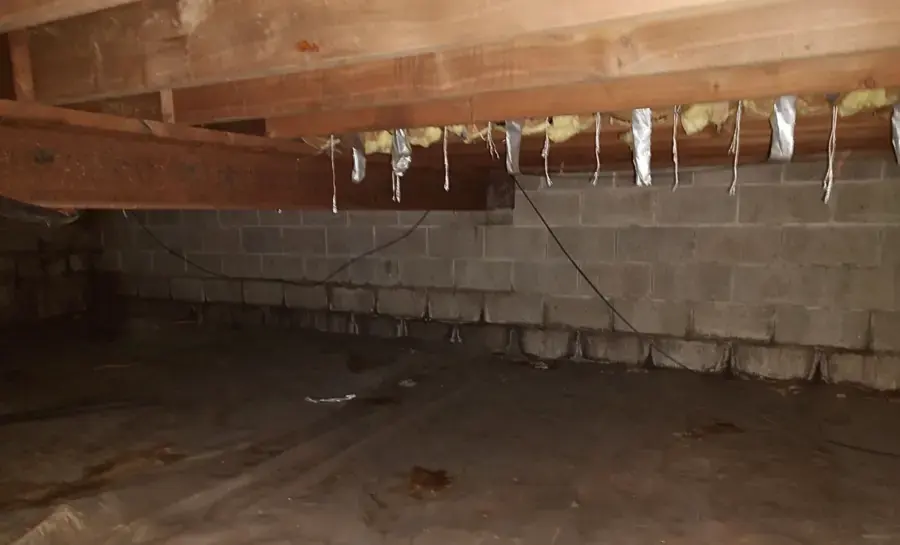 Frozen Pipe Cleanup in Rogue RiverWinter lows near 33 degrees can split exposed pipe; the wet walls and floors get dried.View service
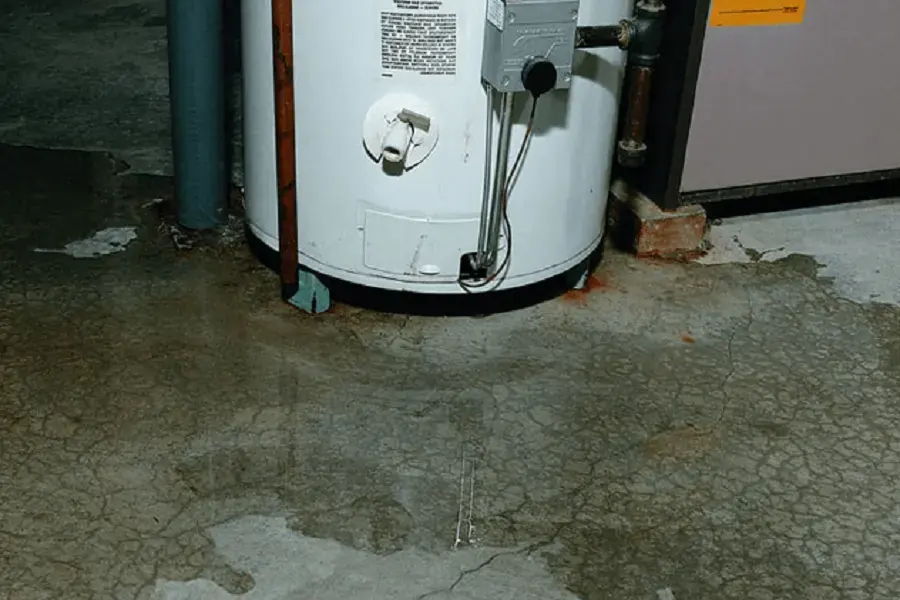 Water Heater Leak Cleanup in Rogue RiverTank failures in garages and closets, with the floor, walls and cabinets around them dried.View service
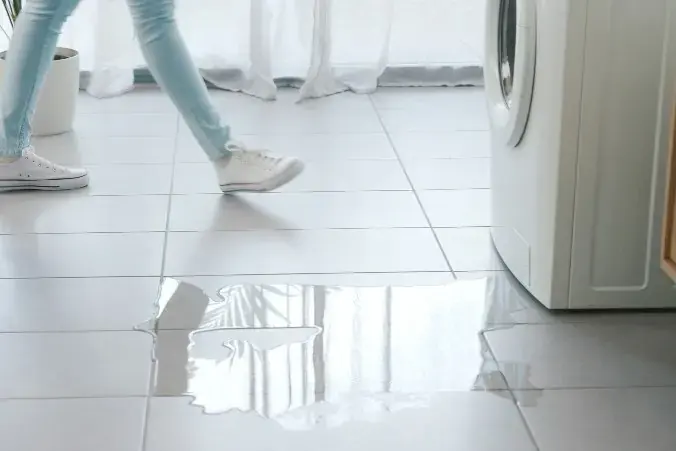 Appliance Leak Cleanup in Rogue RiverWasher hoses, dishwashers and ice-maker tubes that soak a rental floor and the unit next door.View service
 Structural Drying in Rogue RiverFraming, subfloor and wall cavities dried to readings that match dry wood in the same house.View service
Manufactured Home Water Damage in Grants PassUnderbelly pipes, soaked belly insulation and swollen particleboard decking.View service
 Water damage restoration in Rogue RiverFourteen services, each matched to how Rogue River homes, rentals and small downtown shops take on water.View the town page
How do I know if my manufactured home floor is wet?
Watch for soft or spongy spots, lifted vinyl, a musty smell and stains near a bathroom or kitchen. Those signs often appear after the decking has already absorbed a lot of water.
Does decking always have to be replaced?
No. Firm boards that read near dry can be dried in place. Decking that swelled, crumbled or feels spongy is cut out, and the crew keeps whatever is still sound.
What happens to the belly under my home?
It is opened at the lowest point, drained and checked. Insulation that soaked up water is removed, the floor system is dried, and the belly is closed once the readings agree.
Does a leak under a 55+ community home need different care?
The method is the same, but the crew works with the household's schedule and keeps the home livable where it can. Moisture readings still decide when the drying is finished.
How long does a manufactured home take to dry?
Often four to seven days after the water is removed. Thick decking and a wet belly can take longer, and the equipment stays until the readings reach the goal.
Will insurance help with floor damage?
A sudden pipe or tank failure is often covered, while long-term seepage is often excluded. Every policy is different, so check with your own insurer and keep your photos.
Soft floor in your Rogue River manufactured home? Call now.
The drying team drains the belly, removes swollen decking and dries the floor system until the readings agree.
(888) 373-8814Tell the crew about the floor