Storm Water Damage in Rogue River, OR
Rogue River takes about 40.97 inches of rain a year, most of it from November through January, and storm drainage along Evans Creek and Wards Creek can push water toward buildings. The mitigation team extracts it and dries what the storm soaked.
(888) 373-8814Rain coming inside? Call the crew now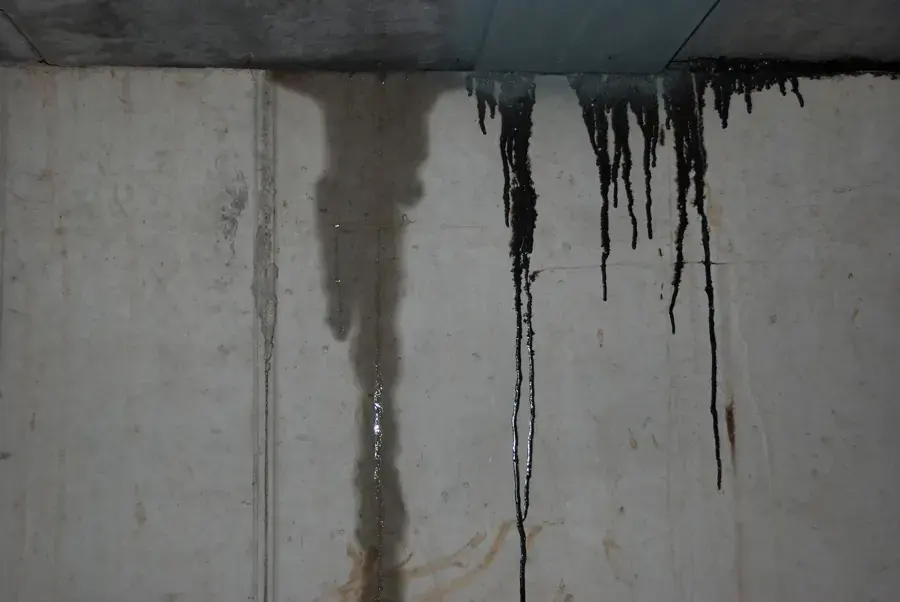
First steps when storm water is entering a Rogue River home
Do now
- 1Slow the entry. Block a door gap with towels or sandbags and move buckets under drips, only where you can stay safe
- 2Guard the electrics. Stay away from outlets and cords in wet rooms, and shut breakers only from a dry spot
- 3Raise belongings. Lift rugs, boxes and electronics onto tables, beds or shelves above the wet floor
- 4Photograph the paths. Record each window, door and wall where water got in, along with the rooms it reached
Hold off
- Stepping outside during heavy flooding to inspect
- Running fans against walls that are still dripping
- Throwing out damaged items before photographing them
How storm water damage is handled by the Rogue River restoration crew
Storm jobs begin by finding how water got in, because roof leak water damage in Rogue River and ground runoff are handled differently.
Rapid local response
The response team works day and night across Rogue River and the Rogue Valley, weekends and storm nights included, and treats active water as urgent.
IICRC S500 drying standard
The drying team works to the industry drying standard and pulls equipment only when readings say dry, not when a surface looks dry.
Claim-ready documentation
Moisture maps, daily readings and timestamped photos go into a drying log that an adjuster, a landlord and the owner can all read.
Rogue Valley water experts
Crawl spaces, manufactured homes, wells, septic systems and old galvanized pipe are everyday work, so the crew checks under the floor, not just the wet room.
What does storm water damage cost in Rogue River, OR?
Storm water cleanup in Rogue River, OR usually costs $1,000 to $8,000. Rain through one window or door stays near the bottom, while runoff under the house and across several rooms reaches the top of that range.
- One entry point$1,000 to $2,500
- Water extracted
- Trim and pad checked
- Short drying run
- Several rooms$2,500 to $5,500
- Wet carpet removed
- Wall bottoms dried
- Dehumidifiers set
- Runoff below the floor$5,500 to $8,000+
- Space pumped out
- Category 3 steps
- Long equipment stay
The drivers are the water category, the square footage, the material class and how fast drying started. For a planning range, try the water damage cost calculator.
The storm water damage process in Rogue River
- 1
Trace the route
The crew follows the water from each opening to the rooms it reached and notes whether it fell as rain or crossed the ground first.
- 2
Extract and discard
Standing water is pulled out, and materials that ground runoff soaked, such as carpet and pad, are removed instead of dried.
- 3
Clean the surfaces
Where the water crossed soil or drains, floors and framing are washed and treated before the drying equipment runs.
- 4
Dry through the wet days
Dehumidifiers do the work while rain continues outside, and readings are taken each day until the materials reach the goal.
Winter weather is the main reason storm water damage reaches Rogue River homes. December averages 8.53 inches of rain, January 7.12 inches and November 5.40 inches, and the city's hazard planning says areas along Evans Creek and Wards Creek are subject to flooding from local storm water drainage. Heavy rain also arrives in long spells, and ground that has stayed wet for weeks has little room left to absorb more.
How rain gets in
- Wind-driven rain that finds gaps around windows and doors.
- Siding and vents that let water behind the wall.
- Ground runoff that moves toward a foundation when drainage cannot keep up.
- Roof water that follows a nail or a flashing edge into the attic.
Where the water entered tells the crew what to expect inside. Water that enters at a door threshold spreads along the floor, while water that enters near the top of a wall runs down inside it. Entry through a wall often leaves wet insulation, and entry at the ground often brings soil along with it.
Category matters on storm jobs
Rain that falls through a roof is Category 2 after it crosses insulation and framing. Runoff that came across a yard, a street or a ditch is Category 3. The crew decides on the first walkthrough and removes porous materials on that basis. A creek that spills over its banks changes the job entirely, and flood water cleanup in Rogue River is the page for that.
Drying while it is still raining
Open windows do little when the air outdoors is just as wet as the air inside. The drying team keeps the house closed and uses dehumidifiers to pull moisture from the framing. Daily readings, not the calendar, decide when equipment leaves. A damp house also means damp contents, so cardboard, upholstered furniture and clothing are sorted early.
Where storm water damage is handled around Rogue River
Rogue River water damage pros cover all of ZIP 97537, from the downtown Broadway area and the streets around First and Oak to the Depot Street and I-5 Exit 48 corridor. The drying team also works homes along West Evans Creek Road and East Evans Creek Road and in the Wards Creek area.
See every area coveredRelated water damage services in Rogue River
 Roof Leak Water Damage in Rogue RiverRoof leaks on 1970s homes under December and January rain, dried before ceilings sag.View service
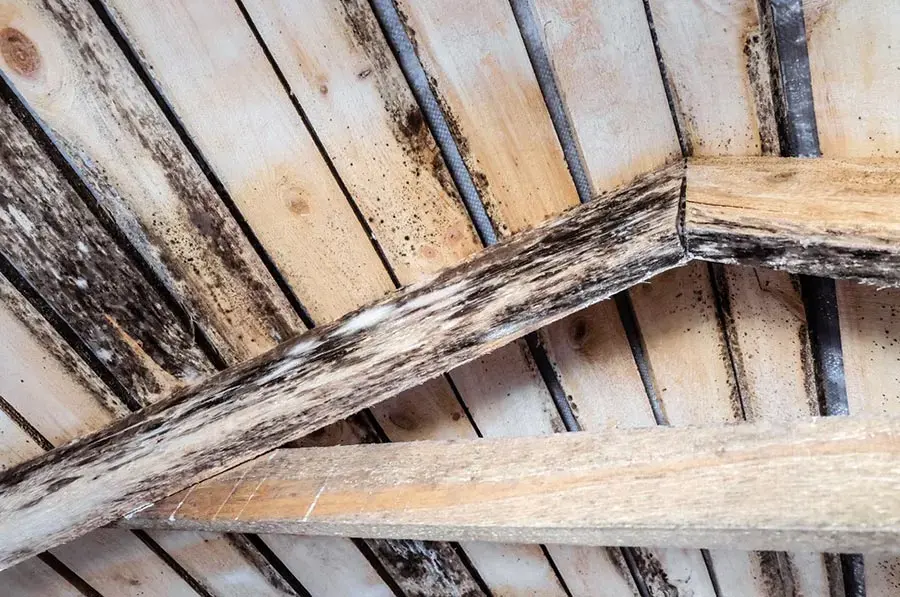
 Flood Water Cleanup in Rogue RiverRising water from the Rogue River, Evans Creek or Wards Creek, treated as Category 3 from the start.View service
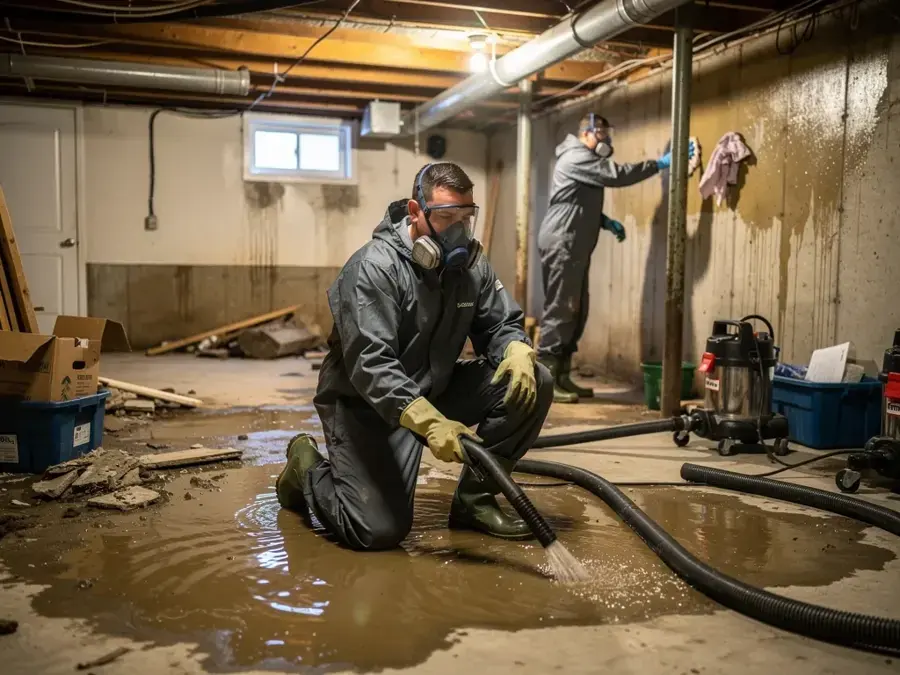
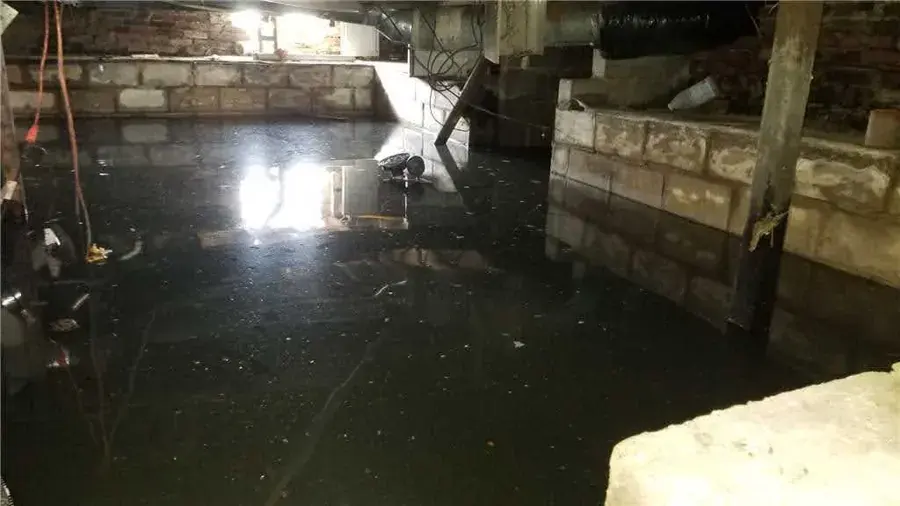 Crawl Space Water Damage in Rogue RiverWhere a house sits over a crawl space, the water is pumped out and the joists dried.View service
 Structural Drying in Rogue RiverFraming, subfloor and wall cavities dried to readings that match dry wood in the same house.View service
Storm Water Damage in Grants PassAtmospheric-river rain driven through siding, windows, doors and crawl vents.View service
 Water damage restoration in Rogue RiverFourteen services, each matched to how Rogue River homes, rentals and small downtown shops take on water.View the town page
Is storm water in a house clean or dirty?
It depends on the route. Rain that came through a roof is Category 2 after crossing insulation, while ground runoff is Category 3. The crew sets the category at the walkthrough.
How much rain does Rogue River get?
About 40.97 inches a year. December is the wettest month at 8.53 inches, followed by January at 7.12 inches and November at 5.40 inches, so most storm losses cluster in those months.
Should I open the windows to dry the room?
Not in a wet season. Outdoor air is damp too, so it slows drying. Dehumidifiers pull moisture from the room and from the framing far faster than open windows do.
Can storm water get into the crawl space as well?
Yes. Runoff along Evans Creek or Wards Creek can reach a foundation, and water under the house is handled as its own job. The crawl space page for Rogue River explains how.
What damage shows up after the storm ends?
Swelling baseboards, peeling paint, a musty smell and stains that return after drying. Those signs mean moisture is still in the wall or floor, and readings can confirm it.
Does insurance pay for storm water damage?
Rain entering through a damaged roof or wall is often covered, while rising ground water generally needs flood coverage. Policies differ, so check the details with your own insurer.
Storm water inside your Rogue River home? Call now.
The crew finds the entry, pulls the water, treats what the runoff touched and keeps drying through the rainy days.
(888) 373-8814Get storm water out of the house