Structural Drying in Rogue River, OR
With about 40.97 inches of rain a year and winter lows near 33 degrees, damp air lingers in Rogue River and wet framing rarely dries alone. The drying team sizes the gear to the loss and reads the materials daily until they reach the goal.
(888) 373-8814Still damp after a leak? Call the crew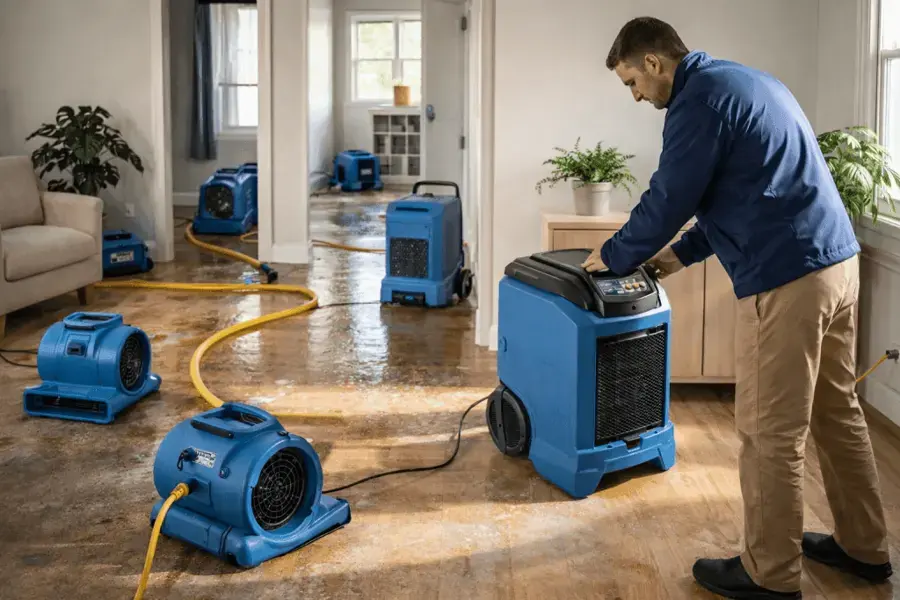
First steps that help drying before the equipment arrives
Do now
- 1Keep the house closed. Shut windows and doors during wet weather so damp outdoor air stays out of the rooms
- 2Hold a steady heat. Leave the thermostat at a normal setting, since warm air carries moisture out of materials better than cold
- 3Clear the floor. Lift rugs, boxes and furniture off wet flooring so air can move across the surface
- 4Note what you saw. Write down where water appeared and which rooms felt damp, and add dated photographs
Hold off
- Opening windows during a rainy week
- Pointing a single fan at a wet wall
- Closing a wall before it has been measured
How structural drying is handled by the Rogue River restoration crew
Drying is a plan, not a pile of fans. Each room gets gear sized to its volume and materials, and the plan changes when the readings do.
Rapid local response
The response team works day and night across Rogue River and the Rogue Valley, weekends and storm nights included, and treats active water as urgent.
IICRC S500 drying standard
The drying team works to the industry drying standard and pulls equipment only when readings say dry, not when a surface looks dry.
Claim-ready documentation
Moisture maps, daily readings and timestamped photos go into a drying log that an adjuster, a landlord and the owner can all read.
Rogue Valley water experts
Crawl spaces, manufactured homes, wells, septic systems and old galvanized pipe are everyday work, so the crew checks under the floor, not just the wet room.
What does structural drying cost in Rogue River, OR?
Structural drying in Rogue River, OR usually costs $1,000 to $7,000, shaped by room count and how dense the materials are. A room or two of drywall and carpet stays near the bottom, while hardwood, plaster, an underfloor space and many rooms reach the top.
- One or two rooms$1,000 to $2,500
- Gear placed
- Daily readings
- Short run
- Many rooms or underfloor$2,500 to $5,000
- More dehumidifiers
- Cavities opened
- Full logs
- Dense materials$5,000 to $7,000+
- Hardwood mats
- Desiccant units
- Long equipment stay
The drivers are the water category, the square footage, the material class and how fast drying started. For a planning range, try the water damage cost calculator.
The structural drying process in Rogue River
- 1
Chart the moisture
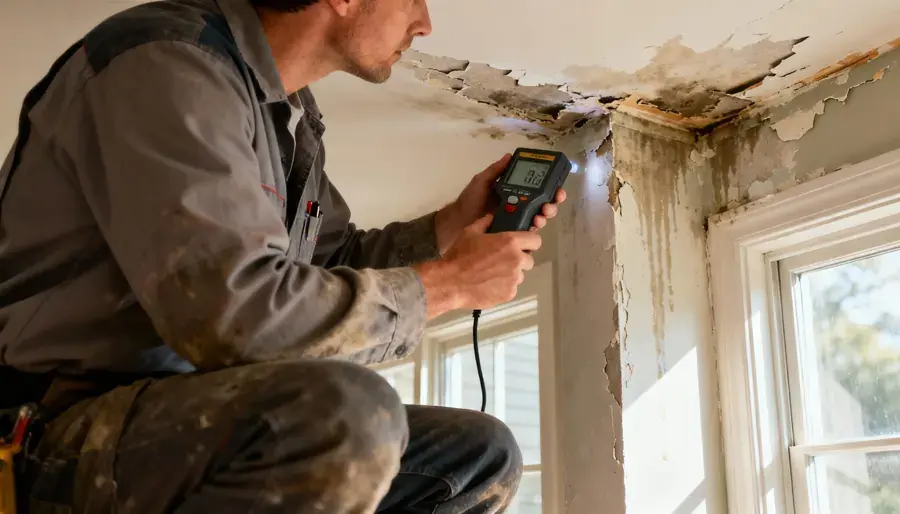
Meters and a thermal camera define the wet area, with starting readings recorded for every material that is affected.
- 2
Match gear to the rooms
Dehumidifier and air mover counts follow the volume of each room and the class of loss, not a rule of thumb.
- 3
Measure every day
The drying team returns to take readings, moves equipment and adds or removes units as the numbers drop.
- 4
Show it is dry
Equipment leaves only when materials reach the goal, and the final readings are saved with the rest of the log.
Rogue River is wet for much of the year, with December at 8.53 inches of rain, January at 7.12 inches and November at 5.40 inches. In that weather, a house that took on water has trouble drying without help, and a closed wall can stay wet far longer than anyone expects.
How the drying is planned
- Moisture is mapped before any equipment is placed.
- Dehumidifier and air mover counts follow room size and the class of loss.
- Readings are taken every day and equipment is adjusted.
Pointing a fan at a wet wall moves air across the surface and leaves the inside of the wall wet. The plan targets the inside with controlled airflow and dehumidifiers, which remove the moisture instead of moving it around. Carpet over pad, hard floors and plaster each get a different setup, since every material gives up water at its own pace.
Drying in a damp climate
With winter lows near 33 degrees and wet months in a row, outdoor air is rarely dry. That is why the crew closes the house and relies on dehumidifiers, not open windows. Heat helps, but a steady, normal indoor temperature does more than a furnace cranked up, which only moves damp air around. After a water removal job, the work goes on from there, and water extraction in Rogue River shows the step that comes first.
Dense materials need more time
Hardwood, plaster, thick framing and subfloor hold moisture longer than carpet or drywall. Drying mats pull water from a wood floor, and desiccant units help when the air is cold. Space beneath a house is often the slowest area, and crawl space water damage in Rogue River describes the way it is handled. Readings from the same spots each day trace a curve, and a curve that flattens early means the plan needs a change.
Where structural drying is handled around Rogue River
Rogue River water damage pros cover all of ZIP 97537, from the downtown Broadway area and the streets around First and Oak to the Depot Street and I-5 Exit 48 corridor. The drying team also works homes along West Evans Creek Road and East Evans Creek Road and in the Wards Creek area.
See every area coveredRelated water damage services in Rogue River
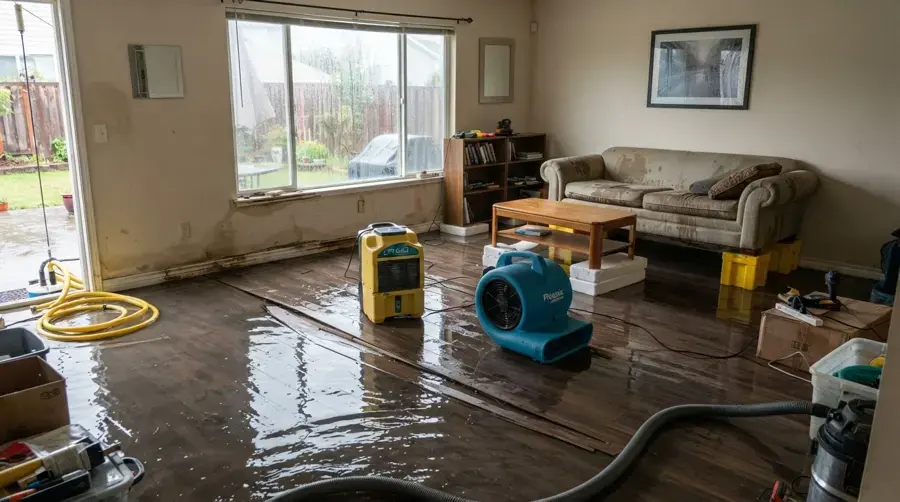 Water Extraction in Rogue RiverStanding water pulled out fast in December, the wettest month, before it soaks pad and subfloor.View service
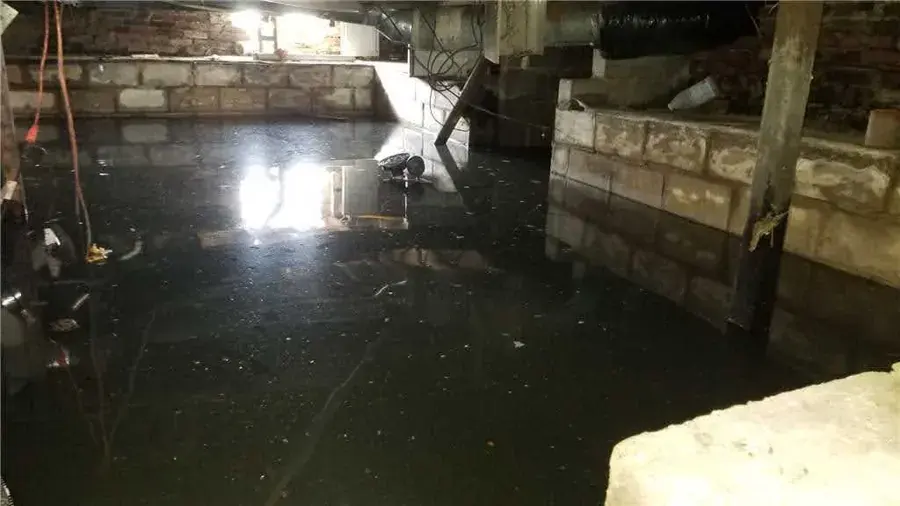 Crawl Space Water Damage in Rogue RiverWhere a house sits over a crawl space, the water is pumped out and the joists dried.View service
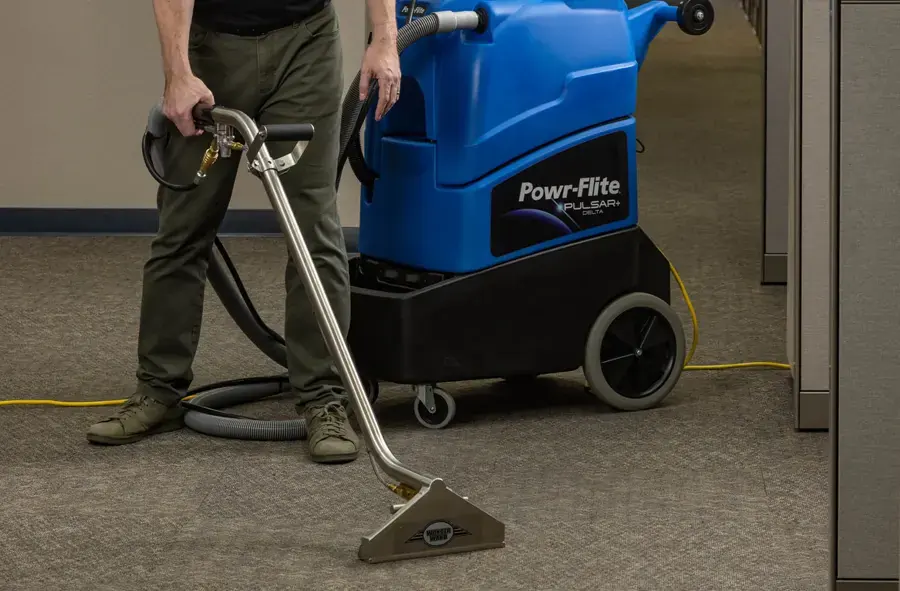 Commercial Water Damage in Rogue RiverShops and offices around Broadway and Depot Street dried in phases to stay open.View service
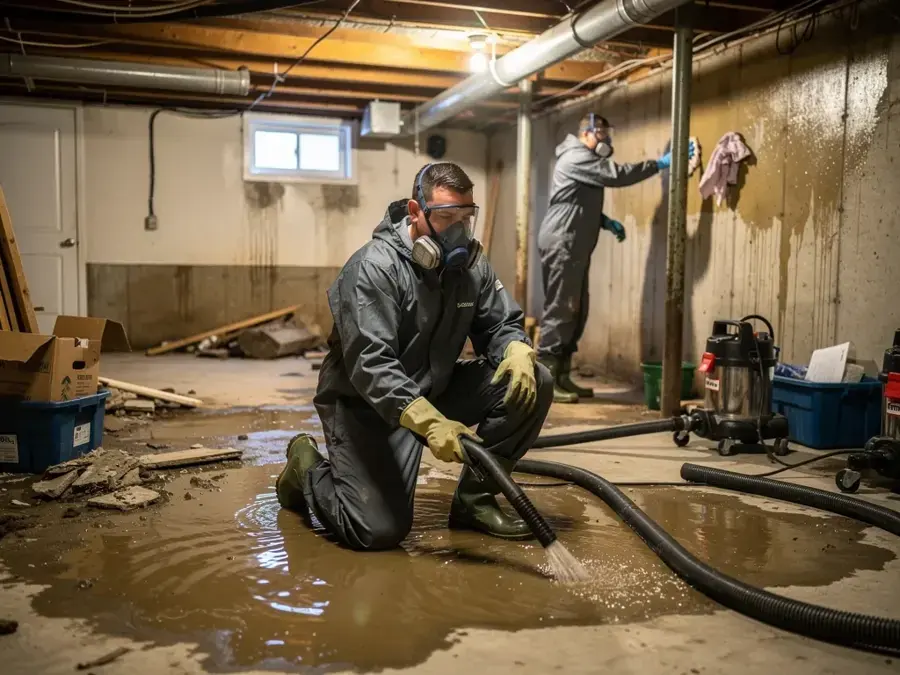 Flood Water Cleanup in Rogue RiverRising water from the Rogue River, Evans Creek or Wards Creek, treated as Category 3 from the start.View service
Structural Drying in Grants PassAir movers, LGR and desiccant dehumidifiers run until readings meet the drying goal.View service
 Water damage restoration in Rogue RiverFourteen services, each matched to how Rogue River homes, rentals and small downtown shops take on water.View the town page
How do you know when a building is dry?
Meters read the wet materials and compare them to a dry reference in the same house. Equipment leaves when those numbers match, and the readings are saved in the drying log.
Why not just open the windows?
In a Rogue River winter the air outdoors is damp as well, so open windows slow the drying. Dehumidifiers in a closed house pull moisture out of the materials instead.
How long does structural drying take?
Usually three to five days for ordinary materials. Hardwood, plaster and the space under a house take longer, and the readings, not a calendar date, decide the end.
Do the walls always have to be opened?
No. Meters show where moisture is. Small openings and injection ports are used only where readings call for them, so the wall can often stay closed.
What are the daily readings for?
They show whether the drying is working and whether to move or add equipment. They also give your insurer a clear record that the structure was brought back to dry.
Do the machines run all day and night?
In most cases, yes. Dehumidifiers and air movers work around the clock because drying stops when they stop. The crew checks them each visit and moves or removes units as the readings drop.
Is drying covered by insurance?
Drying after a sudden covered loss is generally included in the claim, but policies differ. Check the details with your own insurer, and keep the daily logs.
Need Rogue River drying to a reading? Call now.
The drying team sizes the gear to the loss, reads the materials every day and leaves only when they reach the goal.
(888) 373-8814Set up the Rogue River dry-out