Water Extraction in Medford, OR
Medford has 36,630 housing units, and in most of them a flood soaks into carpet cushion, subfloor and wall bottoms within hours. The extraction crew removes it with truck-mounted and portable units, then the drying team maps what is still wet.
(888) 373-8814Standing water in Medford? Call for extraction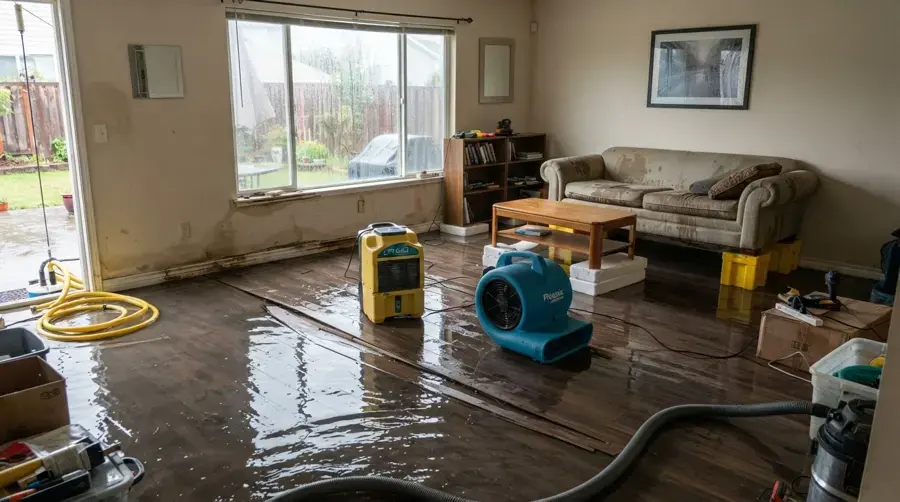
What to do while water sits on a Medford floor
Do now
- 1Find the source. Close the main shutoff or the valve at the fixture, and shut off the water heater if a hot pipe let go
- 2Mind the breakers. Switch off wet-room circuits only from a dry floor, and stay clear of the panel if it is wet
- 3Lift and prop. Get rugs, laptops and papers off the floor, and prop wet furniture on blocks or plastic
- 4Shoot the evidence. Photograph every wet room and the depth of the water before anything is moved
Hold off
- Pulling up carpet before the source is found
- Using a household vacuum on pooled water
- Leaving wet cushion in place overnight
How water extraction is handled by the Medford restoration crew
Every later step depends on how much water leaves the building first, because whatever stays in cushion and subfloor lengthens the drying.
Rapid local response
The response team works day and night across Medford and the Rogue Valley, weekends and storm nights included, and treats active water as urgent.
IICRC S500 drying standard
The drying team works to the industry drying standard and pulls equipment only when readings say dry, not when a surface looks dry.
Claim-ready documentation
Moisture maps, daily readings and timestamped photos go into a drying log that an adjuster, a landlord and the owner can all read.
Rogue Valley water experts
Crawl spaces, manufactured homes, wells, septic systems and old galvanized pipe are everyday work, so the crew checks under the floor, not just the wet room.
What does water extraction cost in Medford, OR?
In Medford, OR, water extraction usually costs $400 to $3,500, covering the pump-out and the first drying setup. A single clean-water room lands low; several rooms, deep water or Category 3 water lands high.
- One room, clean water$400 to $1,200
- Extraction pass
- Cushion inspection
- Moisture logging
- Several rooms$1,200 to $2,500
- Truck-mounted unit
- Cushion removed
- Fans positioned
- Deep or Category 3$2,500 to $3,500+
- Submersible pumps
- Sealed work area
- Porous items out
The drivers are the water category, the square footage, the material class and how fast drying started. For a planning range, try the water damage cost calculator.
The water extraction process in Medford
- 1
Find the source and map
The tech identifies the source, assigns the water category and traces wet areas with a thermal camera and moisture meters.
- 2
Pull the standing water
The extraction crew runs truck-mounted suction first, then weighted wands that squeeze out whatever a quick pass leaves in the carpet.
- 3
Remove what will not dry
Soaked cushion, swollen baseboard and anything sewage or creek water reached are pulled so the framing behind can release its moisture.
- 4
Set the dry-out
Fans and dehumidifiers go in room by room, and the drying team records meter readings every day until the materials reach the goal.
Medford has 36,630 housing units and a median build year of 1984, so a typical loss starts on a carpeted floor or a hard surface sitting over a subfloor. Getting the water out during the first hours is the least expensive step and decides how many days of drying come after it. Houses from the 1990s, the 1970s and before 1939 all take on water the same way at the start.
Why the pump-out comes ahead of the fans
A fan can only evaporate a pool slowly, and while it does the whole house fills with humid air. A truck-mounted unit parked outside sends bulk water through a hose and out of the building, with no buckets crossing the rooms. Weighted wands then squeeze out the moisture a surface pass misses in the carpet. Portable extractors handle upstairs rooms and apartments, where a truck hose will not reach.
Where the water travels in Medford buildings
Medford has 15,211 renter-occupied homes, and a leak in one unit can drip through the floor into the neighbor below. A failed washer or tank in a house spreads under baseboards and across the subfloor. If the house has an under-floor space, the extraction crew looks there too, because trapped water keeps the subfloor wet after the room above looks fine. See crawl space water damage for that work. Water that comes in from Bear Creek is Category 3, handled under flood water cleanup.
Deciding what stays and what goes
Carpet soaked by clean water and extracted quickly can often be dried where it lies, while the cushion beneath is usually discarded. Carpet reached by sewage or creek water is removed entirely. Hardwood and laminate go onto floor drying mats, and particleboard that has swollen is normally cut out. Once the water is out, structural drying takes framing and subfloor down to readings that match dry material.
Where water extraction is handled around Medford
Medford water damage pros work ZIP codes 97501, 97504 and 97502, from Downtown Medford and West Medford to the East Medford Foothills near Roxy Ann Peak. The drying team also covers the Biddle Road corridor, the Hillcrest District and homes near Bear Creek.
See every area coveredRelated water damage services in Medford
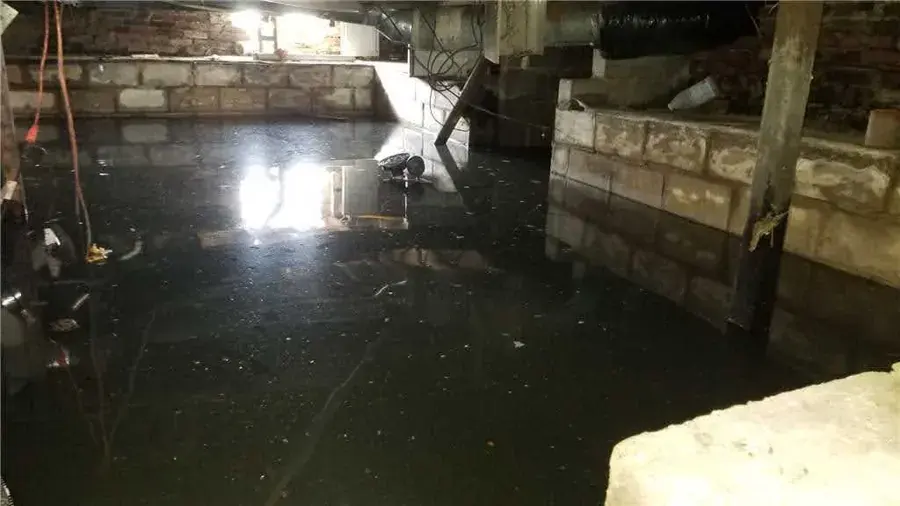 Crawl Space Water Damage in MedfordUnder-floor spaces of older homes checked and dried after a leak, with wet insulation removed.View service
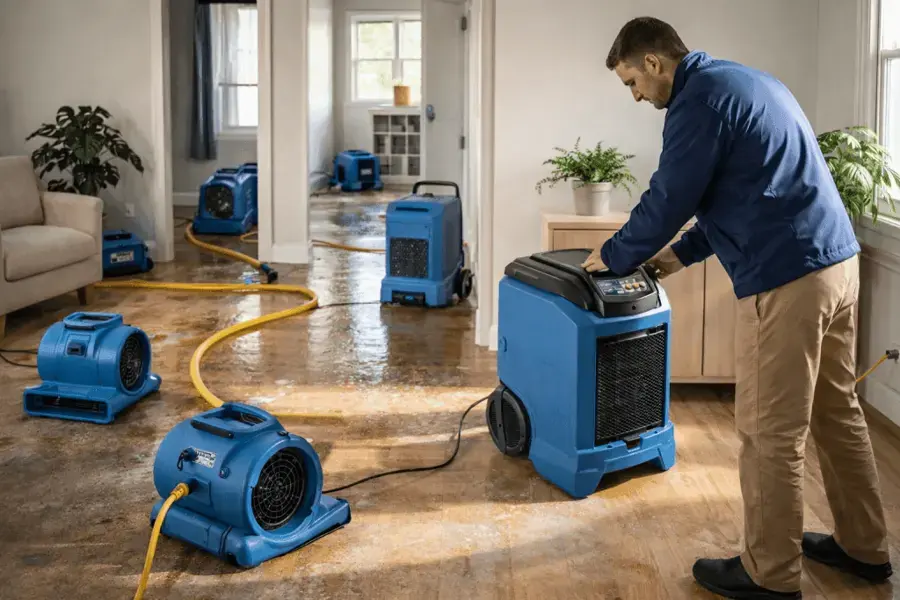 Structural Drying in MedfordFraming, subfloor and drywall dried to meter readings in 1970s, 1990s and pre-1939 houses.View service
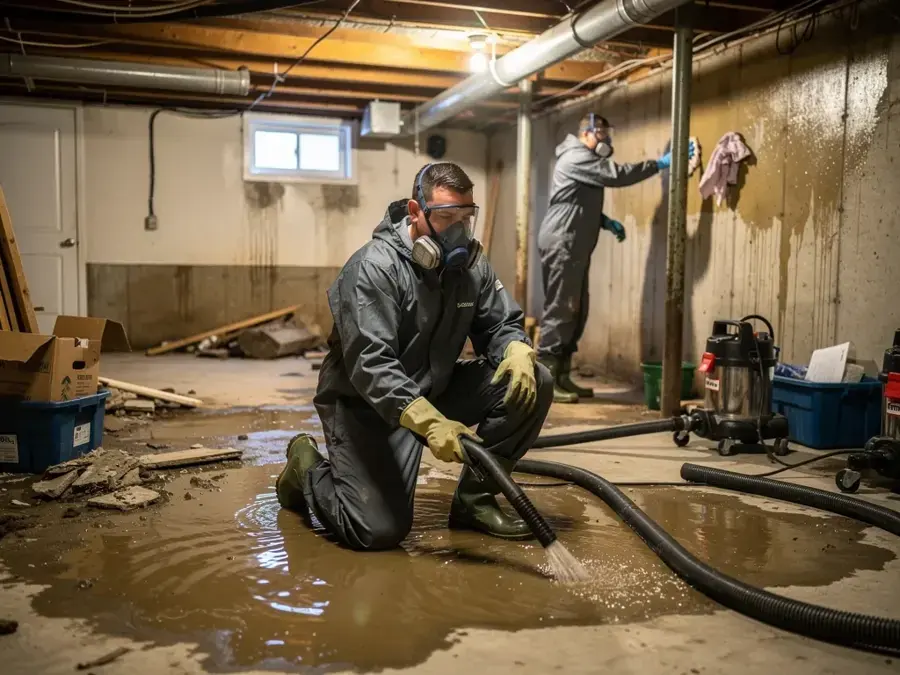 Flood Water Cleanup in MedfordOverflow from Bear Creek, Larson Creek and Lazy Creek handled as Category 3 from the first step.View service
 Sewage Backup Cleanup in MedfordBackups inside the house contained and removed as Category 3 before any drying begins.View service
Water Extraction in Grants PassTruck-mounted and portable extraction pulls standing water before it wicks into pad, subfloor and walls.View service
 Water damage restoration in MedfordFourteen services built around how Medford houses, apartments, mobile homes and storefronts take on water.View the town page
How soon does standing water need to come out?
Right away if possible. Water keeps spreading into cushion, subfloor and drywall while it sits, and mold can begin within 24 to 48 hours, so crews treat it as urgent.
Is a household vacuum enough?
For a small spill, yes. For anything larger it cannot draw water from cushion or subfloor, and truck-mounted units with wands remove far more before drying starts.
Does the carpet have to be replaced?
Not always. Clean-water carpet that is extracted early often dries in place, the cushion usually goes, and carpet reached by sewage or creek water is taken out.
Is extraction different in an apartment?
Often. Water in an upper unit can run into the unit below, so the crew checks ceilings and walls under the leak and brings portable units where a truck hose cannot go.
What follows once the water is out?
The drying team places air movers and LGR dehumidifiers sized to each room, then logs readings daily until materials meet the IICRC S500 drying goal.
Does Bear Creek water change the job?
Yes. Creek water is Category 3, so the crew seals off the area, removes porous materials it reached and treats surfaces before any drying starts.
Will insurance pay for extraction?
Sudden discharge such as a burst pipe is commonly covered, while creek flooding usually needs separate flood coverage. Policies differ, so ask your own insurer.
Standing water in your Medford home? Call now.
Truck-mounted units pull the water first, then the drying team works to the S500 goal and records every reading.
(888) 373-8814Get the Medford pump-out moving