Structural Drying in Medford, OR
Medford homes run from about 3,208 built in 1939 or earlier to thousands from the 1970s and 1990s, and each dries a little differently. The drying team sets equipment by moisture readings and works until the framing, subfloor and drywall hit the goal.
(888) 373-8814Wet structure? Call Medford drying crews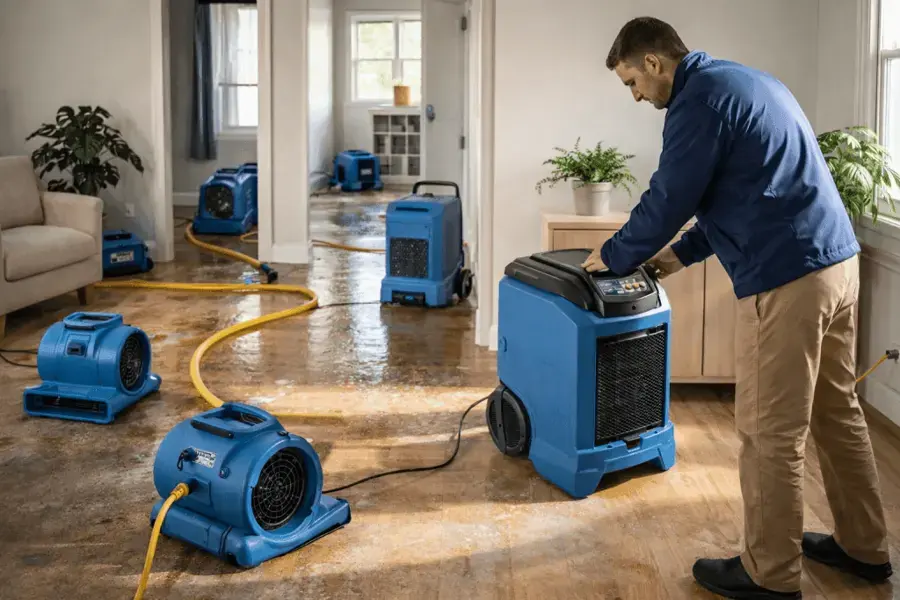
What to do while a wet Medford house waits for drying
Do now
- 1Confirm the source is off. Make sure the leak has stopped and standing water has been extracted before drying begins
- 2Keep the heat steady. Hold the thermostat at a normal setting, because drying works best in warm, steady air
- 3Open interior doors. Let air move between rooms and open cabinet doors so wall bottoms can release moisture
- 4Leave gear running. Do not unplug air movers or dehumidifiers, and keep exterior doors and windows shut
Hold off
- Letting rain air in through open windows
- Painting over walls that still read damp
- Unplugging the dehumidifiers at night
How structural drying is handled by the Medford restoration crew
Drying is planned from the readings, so every room gets the equipment its materials actually need instead of a standard set.
Rapid local response
The response team works day and night across Medford and the Rogue Valley, weekends and storm nights included, and treats active water as urgent.
IICRC S500 drying standard
The drying team works to the industry drying standard and pulls equipment only when readings say dry, not when a surface looks dry.
Claim-ready documentation
Moisture maps, daily readings and timestamped photos go into a drying log that an adjuster, a landlord and the owner can all read.
Rogue Valley water experts
Crawl spaces, manufactured homes, wells, septic systems and old galvanized pipe are everyday work, so the crew checks under the floor, not just the wet room.
What does structural drying cost in Medford, OR?
In Medford, OR, structural drying usually costs $1,000 to $7,000, depending on how many rooms are wet and how dense the materials are. One room of drywall and carpet lands near the bottom; hardwood, plaster and several rooms land near the top.
- One or two rooms$1,000 to $2,500
- Air movers placed
- LGR dehumidifier
- Readings each day
- Several rooms or floor system$2,500 to $5,000
- Extra equipment
- Wall cavity drying
- Humidity logging
- Dense or Class 4 materials$5,000 to $7,000+
- Desiccant units
- Floor drying mats
- Extended run time
The drivers are the water category, the square footage, the material class and how fast drying started. For a planning range, try the water damage cost calculator.
The structural drying process in Medford
- 1
Map and classify
The tech maps wet areas with meters and a thermal camera, then assigns the class of loss and the water category.
- 2
Set the equipment
Air movers and dehumidifiers are sized to each room's volume and materials, with desiccant units for dense wood or plaster.
- 3
Read every day
The drying team measures moisture, temperature and humidity daily and moves or removes gear as rooms reach the goal.
- 4
Release and file
Equipment leaves when readings match dry material, and the full log goes to the claim file.
Medford homes include 5,859 from the 1970s, 6,040 from the 1990s and about 3,208 from 1939 or earlier. Each era dries differently, but the method is the same: measure the water, place equipment to match it and keep measuring until the numbers say dry, whatever the age of the house.
How the drying is planned
IICRC S500 sets the water categories and the classes of loss. Class 1 and 2 losses involve limited material and wicking; Class 3 and 4 involve soaked ceilings, walls and dense materials. The class decides how many air movers and dehumidifiers each room gets, and a sketch with a moisture map keeps the plan on paper. Psychrometric readings track air temperature and humidity, which shows whether the dehumidifiers are keeping up, while material readings show whether wood and drywall are drying.
Drying in Rogue Valley winters
Medford averages about 64 freezing mornings a year and sits in a rain shadow, so winter air is often cold and damp. Outdoor air rarely helps, and closed-up rooms with dehumidifiers dry faster than open windows. Heat helps, but too much of it can crack wood floors, so the thermostat stays steady and the dehumidifiers do the real work. See water extraction for what comes before drying.
Hardwood, plaster and other dense materials
Hardwood floors, plaster walls and thick trim, wherever a house has them, release water slowly. They get desiccant dehumidifiers and floor drying mats, and the readings may run longer than in a typical drywall room. Drywall that sagged or was touched by sewage is removed, and sewage backup cleanup covers that. Equipment placement changes as rooms dry: a room that reaches the goal first loses its gear, which moves to a wetter room so the whole job finishes sooner. Nothing is switched off until the log shows the readings holding steady for a full day.
Where structural drying is handled around Medford
Medford water damage pros work ZIP codes 97501, 97504 and 97502, from Downtown Medford and West Medford to the East Medford Foothills near Roxy Ann Peak. The drying team also covers the Biddle Road corridor, the Hillcrest District and homes near Bear Creek.
See every area coveredRelated water damage services in Medford
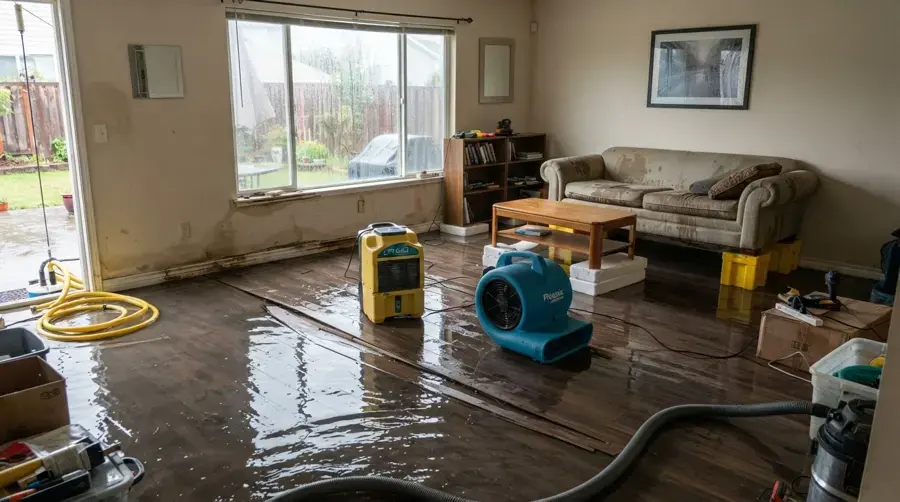 Water Extraction in MedfordStanding water pulled out of carpet, pad and subfloor before it wicks into the walls.View service
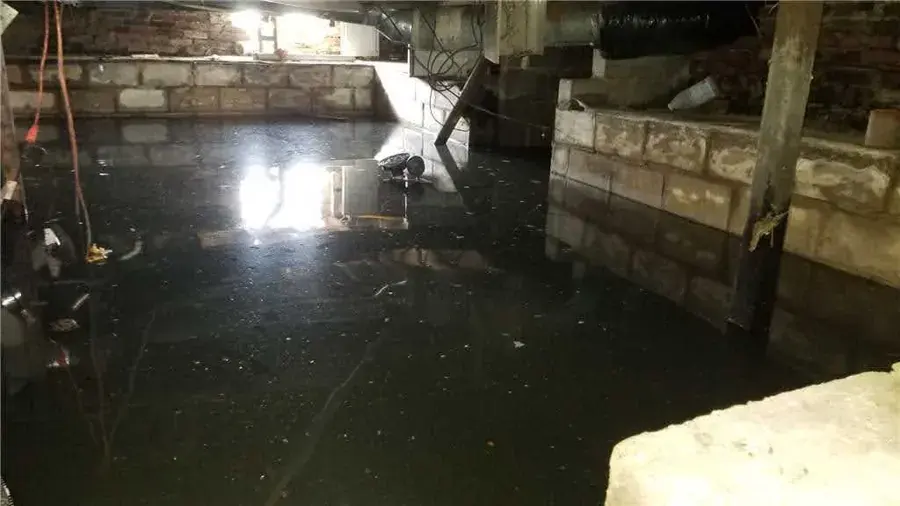 Crawl Space Water Damage in MedfordUnder-floor spaces of older homes checked and dried after a leak, with wet insulation removed.View service
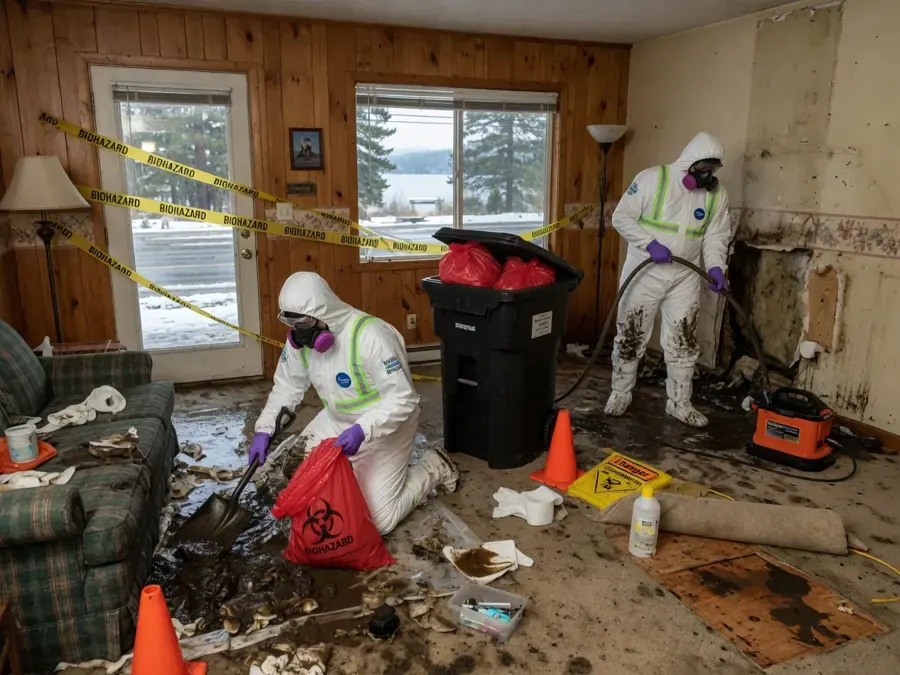 Sewage Backup Cleanup in MedfordBackups inside the house contained and removed as Category 3 before any drying begins.View service
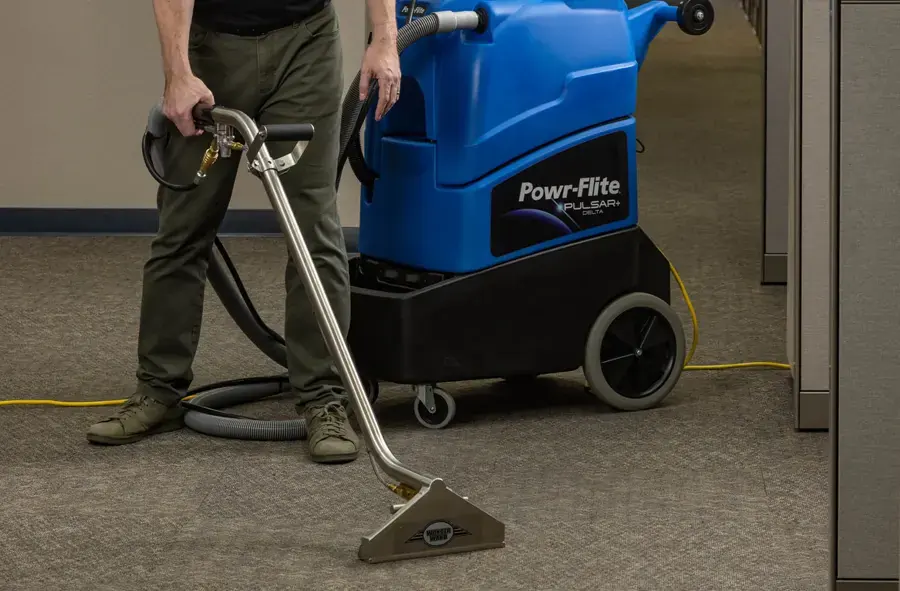 Commercial Water Damage in MedfordMall-area retail, Biddle Road shops, downtown storefronts and medical offices dried around business hours.View service
Structural Drying in Grants PassAir movers, LGR and desiccant dehumidifiers run until readings meet the drying goal.View service
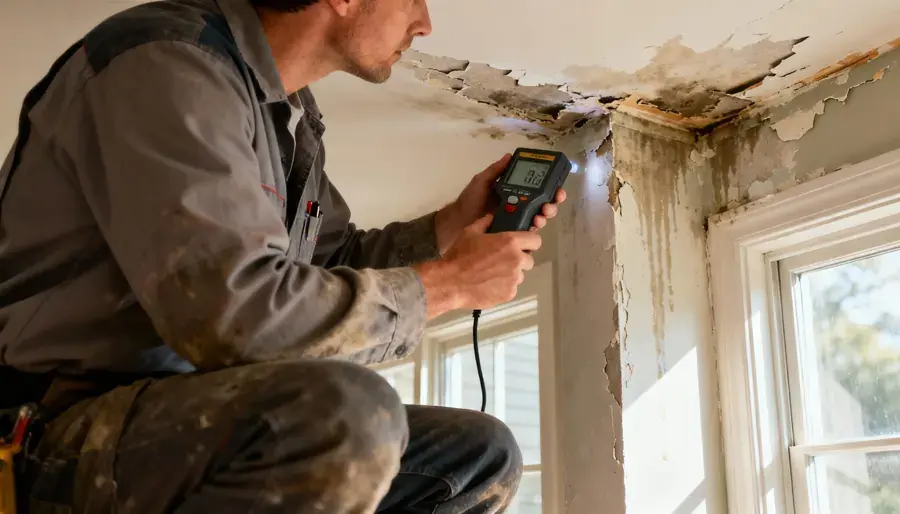 Water damage restoration in MedfordFourteen services built around how Medford houses, apartments, mobile homes and storefronts take on water.View the town page
How is dry defined?
Dry means moisture readings in the affected materials match readings in unaffected material of the same kind in the same building, within a few points.
Why so many machines?
Each room gets air movers and dehumidifiers sized to its volume and materials. Fewer machines means a longer dry-out and a higher risk of lingering moisture inside walls, where it cannot be seen.
Can my own fans do the job?
Household fans move air but do not remove moisture. Dehumidifiers pull water out of the air, and without them the humidity stays high and the walls stay wet, no matter how many fans run.
How long will the equipment run?
Three to five days for many contained losses, longer for dense materials. Daily readings decide when each piece comes out, and gear moves between rooms as each one dries.
Do walls have to be opened?
Only when meters or the thermal camera show trapped moisture. A small opening or injection drying can often reach a cavity without removing the whole wall.
What if drying stops early?
Damp framing and drywall left behind can lead to swelling, odors and mold. The log shows exactly when materials reached the goal, so nobody has to guess whether it is safe to close the walls.
Does insurance cover drying?
Drying after a sudden covered loss is normally part of the claim, and the daily log supports it. Terms vary, so ask your own insurer.
Wet structure in your Medford home? Call now.
The drying team sets the equipment by the readings and stays until framing, subfloor and drywall meet the S500 goal.
(888) 373-8814Get the structure dried right