Sewage Backup Cleanup in Medford, OR
Wastewater from Medford and other valley cities flows to the Medford Regional Wastewater Reclamation Facility, but a backup that reaches a floor is Category 3 the moment it happens. The restoration team contains it, removes what it touched and dries the structure.
(888) 373-8814Sewage in the house? Call for containment now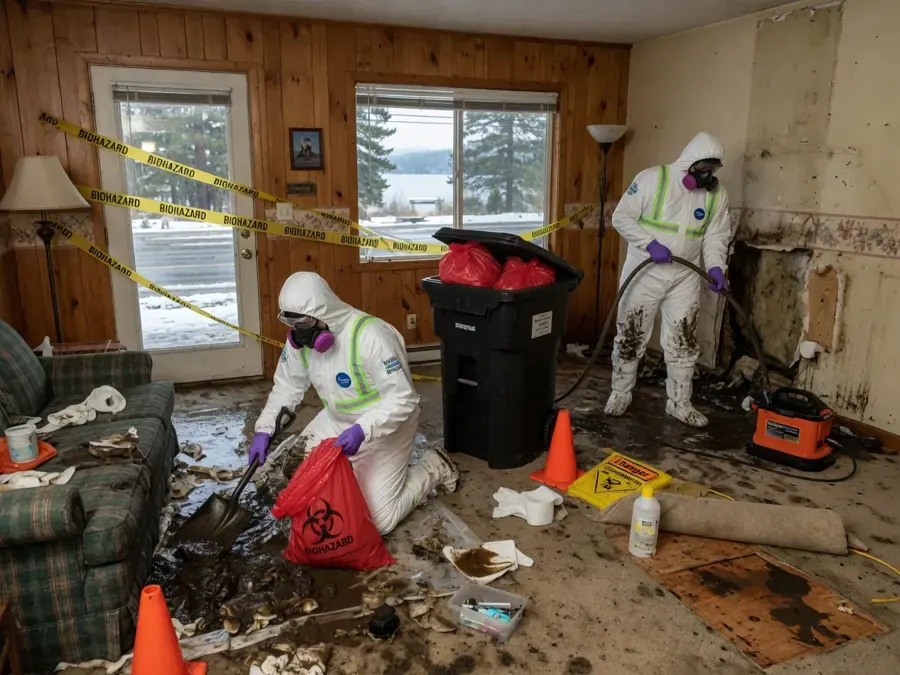
What to do when sewage backs up in a Medford home
Do now
- 1Stop using water. Avoid flushing, showering and running sinks or the washer, since each adds to the backup
- 2Keep out. Keep children, pets and everyone else out of the affected rooms
- 3Cut power if wet. Switch off breakers for wet areas only from a dry spot, and stay out if water is near the panel
- 4Photograph and call. Record the backup from a safe distance, then call for containment and cleanup
Hold off
- Cleaning with a mop and bucket
- Using fans that push contaminated air around
- Saving carpet or drywall that sewage soaked
How sewage backup cleanup is handled by the Medford restoration crew
Safety comes first: seal the area, remove everything contaminated, disinfect the surfaces that stay, and only then start the drying.
Rapid local response
The response team works day and night across Medford and the Rogue Valley, weekends and storm nights included, and treats active water as urgent.
IICRC S500 drying standard
The drying team works to the industry drying standard and pulls equipment only when readings say dry, not when a surface looks dry.
Claim-ready documentation
Moisture maps, daily readings and timestamped photos go into a drying log that an adjuster, a landlord and the owner can all read.
Rogue Valley water experts
Crawl spaces, manufactured homes, wells, septic systems and old galvanized pipe are everyday work, so the crew checks under the floor, not just the wet room.
What does sewage backup cleanup cost in Medford, OR?
In Medford, OR, sewage backup cleanup usually costs $1,500 to $10,000 or more, not counting the drain repair. A small backup at one fixture lands near the bottom; sewage across several rooms or into the floor system lands near the top.
- One fixture, small area$1,500 to $3,500
- Sealed work zone
- Materials removed
- Surfaces treated
- Several rooms$3,500 to $7,000
- Wall cuts
- Flooring out
- HEPA scrubbers
- Floor system reached$7,000 to $10,000+
- Subfloor cleaning
- Insulation removed
- Structural drying
The drivers are the water category, the square footage, the material class and how fast drying started. For a planning range, try the water damage cost calculator.
The sewage backup cleanup process in Medford
- 1
Contain
Plastic barriers and negative air seal off the affected rooms so contamination does not travel through the rest of the house or into the ducts.
- 2
Extract and remove
The extraction crew removes the liquid, then carpet, cushion, drywall and insulation the sewage reached are bagged for disposal.
- 3
Clean and disinfect
Hard surfaces are washed and an EPA-registered antimicrobial is applied for its labeled contact time.
- 4
Dry and clear
Dehumidifiers and air movers dry what remains, and readings confirm dry before containment comes down.
Wastewater from Medford and other valley cities is treated at the Medford Regional Wastewater Reclamation Facility on Kirtland Road in Central Point, and Rogue Valley Sewer Services provides sanitary sewer service for customers in the valley. When a drain backs up inside a house, none of that matters to the floor: the water is Category 3 from the first minute. A tub, floor drain or toilet are the usual places it surfaces, and the lowest fixture in the house tends to show it first.
Why a backup is Category 3
Sewage carries bacteria and viruses. Porous materials it touches, such as carpet, cushion, drywall and insulation, cannot be made safe and are removed. Hard surfaces are cleaned and treated with an EPA-registered antimicrobial. The crew wears respirators, gloves and protective suits, and HEPA scrubbers run while materials come out. Floors, baseboards and the lower part of walls take the worst of it, so cuts go a set height above the visible stain.
Who handles what
Clearing a blockage or repairing a broken drain is plumbing work, and Medford Building Safety lists replacement sewer, water or storm drain piping as work that needs a plumbing permit. The restoration team handles the contamination and the drying once the drain is working again. Which party must fix a given pipe depends on where the break is, so the plumber can say. Keeping the repair invoice and the cleanup invoice separate makes the claim easier to follow.
When it reaches the floor system
Sewage that soaks through flooring can wet the subfloor and any space beneath it, so the crew checks there with meters. Contaminated insulation under the floor is removed and the framing is cleaned before drying. See crawl space water damage for under-floor work, and flood water cleanup for creek water, which gets the same Category 3 treatment.
Where sewage backup cleanup is handled around Medford
Medford water damage pros work ZIP codes 97501, 97504 and 97502, from Downtown Medford and West Medford to the East Medford Foothills near Roxy Ann Peak. The drying team also covers the Biddle Road corridor, the Hillcrest District and homes near Bear Creek.
See every area coveredRelated water damage services in Medford
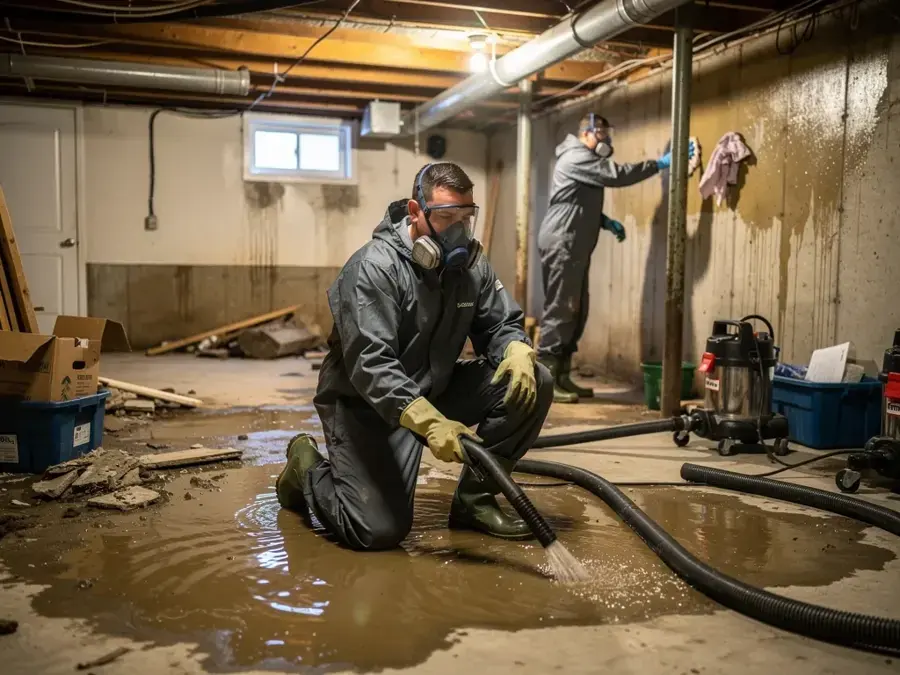 Flood Water Cleanup in MedfordOverflow from Bear Creek, Larson Creek and Lazy Creek handled as Category 3 from the first step.View service
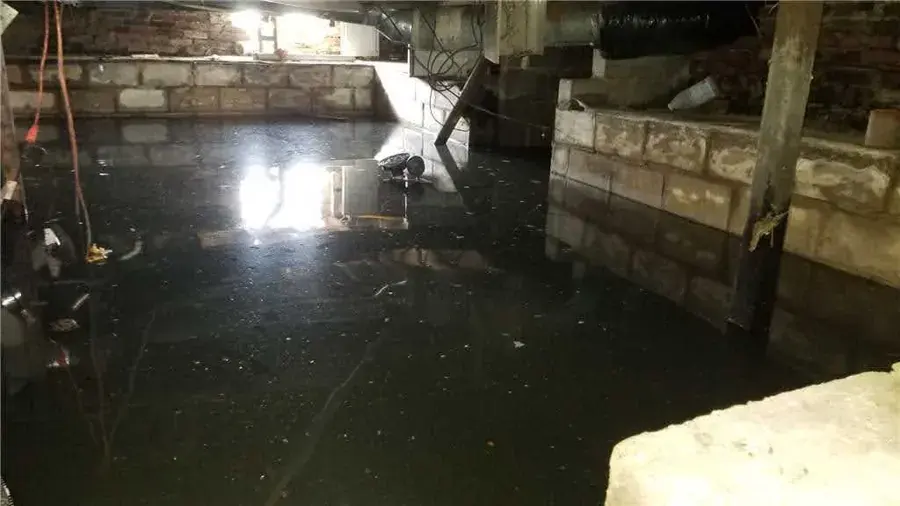 Crawl Space Water Damage in MedfordUnder-floor spaces of older homes checked and dried after a leak, with wet insulation removed.View service
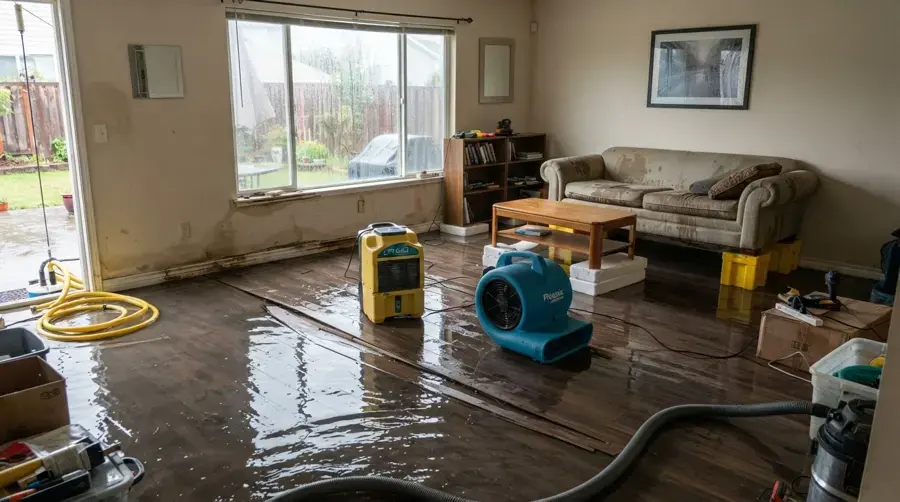 Water Extraction in MedfordStanding water pulled out of carpet, pad and subfloor before it wicks into the walls.View service
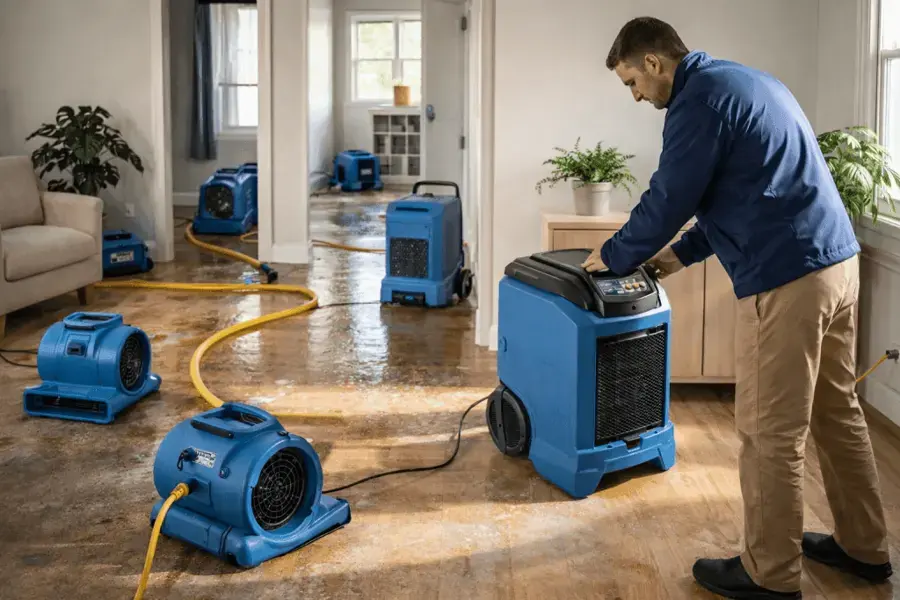 Structural Drying in MedfordFraming, subfloor and drywall dried to meter readings in 1970s, 1990s and pre-1939 houses.View service
Sewage Backup Cleanup in Grants PassCity sewer and rural septic backups, contained and removed as Category 3.View service
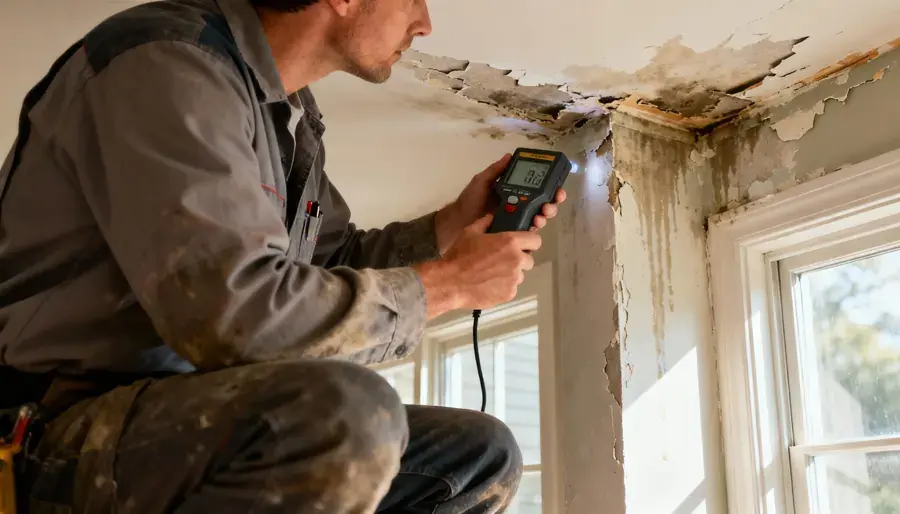 Water damage restoration in MedfordFourteen services built around how Medford houses, apartments, mobile homes and storefronts take on water.View the town page
Is a sewage backup different from a clean leak?
Completely. Sewage is Category 3 the moment it backs up, so the area is sealed off, porous materials are removed and surfaces are disinfected before drying begins.
Can I clean a small backup myself?
Even a small backup carries bacteria and viruses. Household cleaners do not make carpet or drywall safe, so protective gear and removal are the safer route.
What happens to carpet and drywall?
Carpet, cushion and drywall that sewage soaked are removed. Hard surfaces are cleaned and treated, and framing is dried and verified.
Where does Medford's wastewater go?
It is treated at the Medford Regional Wastewater Reclamation Facility on Kirtland Road in Central Point, though a backup inside a house is handled as a contaminated water loss.
How long does the cleanup take?
A one-fixture backup can finish in a few days, while several rooms or the floor system take longer, since every porous layer has to come out and dry before containment ends. Readings decide when containment comes down.
Is a sewage backup covered by insurance?
Often only with a water backup endorsement, so many policies exclude it. Terms vary, so ask your own insurer before assuming it is included.
Can the family stay in the house?
That depends on the size of the backup. Keep everyone out of the affected rooms, and ask the crew whether the rest of the house is safe.
Sewage in your Medford home? Call now.
The restoration team seals the area, removes what sewage touched, disinfects and dries the structure to a verified reading.
(888) 373-8814Get the sewage cleanup started