Appliance Leak Cleanup in Jacksonville, OR
A washer hose, dishwasher seal or ice maker tube can leak for days in a home where nobody checks that corner. About 42.1 percent of Jacksonville residents are 65 or older, so the restoration team dries the floor, cabinets and subfloor a slow leak soaked.
(888) 373-8814Appliance leaking? Call to dry the floor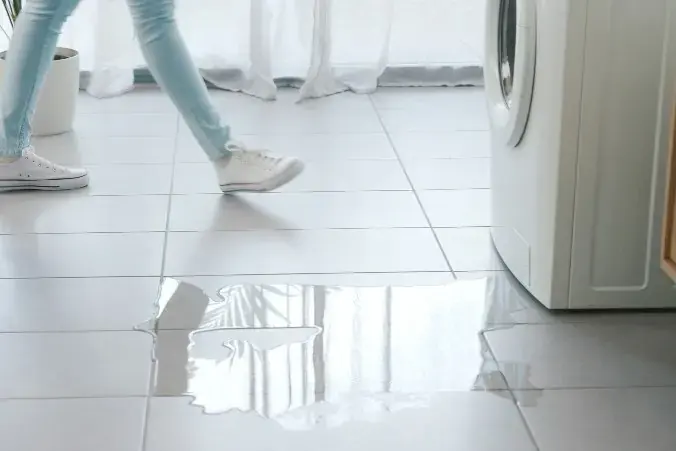
First steps when an appliance leaks in a Jacksonville home
Do now
- 1Shut the supply. Turn off the appliance's own valve or the main valve, and unplug the unit only if the outlet is dry
- 2Cut the circuit. Switch off the breaker for the room from a dry spot, since outlets near appliances sit close to the water
- 3Look before moving it. Pull the appliance out only if the floor is safe, and photograph the hose and the wet area
- 4Call with the details. Report which appliance leaked, how long it may have run and which rooms sit below or beside it
Hold off
- Running the leaking appliance again
- Pushing water under cabinets with a mop
- Ignoring a musty smell near the unit
How appliance leak cleanup is handled by the Jacksonville restoration crew
Appliance leaks hide under cabinets and flooring, so drying starts where the water went, not where it was seen.
Rapid local response
The response team works day and night across Jacksonville and the Rogue Valley, weekends and storm nights included, and treats active water as urgent.
IICRC S500 drying standard
The drying team works to the industry drying standard and pulls equipment only when readings say dry, not when a surface looks dry.
Claim-ready documentation
Moisture maps, daily readings and timestamped photos go into a drying log that an adjuster, a landlord and the owner can all read.
Rogue Valley water experts
Crawl spaces, manufactured homes, wells, septic systems and old galvanized pipe are everyday work, so the crew checks under the floor, not just the wet room.
What does appliance leak cleanup cost in Jacksonville, OR?
In Jacksonville, OR, appliance leak cleanup typically runs $500 to $4,000, not counting the appliance repair. A quick catch on a hard floor sits low; a slow leak under cabinets and into the subfloor sits high.
- Quick catch$500 to $1,300
- Water extracted
- Floor dried in place
- Short fan stay
- Cabinets wet$1,300 to $2,800
- Toe-kicks removed
- Cabinet bases dried
- Readings daily
- Subfloor affected$2,800 to $4,000+
- Flooring lifted
- Subfloor dried
- Longer equipment stay
The drivers are the water category, the square footage, the material class and how fast drying started. For a planning range, try the water damage cost calculator.
The appliance leak cleanup process in Jacksonville
- 1
Extract the water
Water is pulled from the floor and from under the appliance, and the unit is moved aside so the area can be metered.
- 2
Open the hiding places
Baseboards and cabinet toe-kicks come off, and the floor edge is checked for water running under the flooring.
- 3
Dry in layers
Toe-kick dryers, air movers and dehumidifiers work the cabinets, the floor and the subfloor on a daily meter log.
- 4
Verify and file
Readings must match dry material before equipment leaves, and the photos and logs join the claim file.
Appliance leaks are quiet problems. About 71.1 percent of occupied homes in Jacksonville are owner-occupied and 28.9 percent are rented, and 42.1 percent of residents were 65 or older at the 2020 Census. In homes where nobody is in the laundry area or the kitchen corner all day, a failing hose can run a long time before the floor feels soft. Rental units and second homes add another gap, because the person who owns the appliance is not always the person who sees the leak.
The usual suspects
- Washer fill hoses and drain hoses.
- Dishwasher door seals and supply tubes.
- Ice maker and refrigerator water tubes.
- Sink connections beside the appliance.
Supply hoses usually fail at their fittings or split along the rubber, which gives clean Category 1 water. Drain hoses and overflows add Category 2 water, which changes which materials can be saved. Early shutoff is the biggest factor in cost, because water on a hard floor dries far faster than water that reached the subfloor. A shutoff valve behind the unit is worth locating before an emergency, since it lets one person stop the flow in seconds.
Shared walls and rentals
With 28.9 percent of occupied homes rented, and many downtown buildings sharing walls, a laundry or kitchen leak can reach the ceiling or wall of the unit below or beside it. The crew meters both sides of a shared wall and checks the ceiling underneath, and ceiling leak water damage in Jacksonville covers that side of the job.
Drying under cabinets
Cabinet bases soak up water like a sponge, and the toe-kick space traps it. The drying team removes the toe-kicks, aims air into the cavity and meters the cabinet bottoms until they match dry wood. For a leak from a tank instead, see water heater leak cleanup in Jacksonville, and for standing water first, water extraction in Jacksonville comes first.
Where appliance leak cleanup is handled around Jacksonville
Jacksonville water damage pros work throughout ZIP 97530, from the Historic District and the streets around California Street and Oregon Street to Pheasant Meadows, the Woodlands hillside and Britt Gardens. Crews also reach Royal Mobile Estates, the Third Street area and Oregon Highway 238.
See every area coveredRelated water damage services in Jacksonville
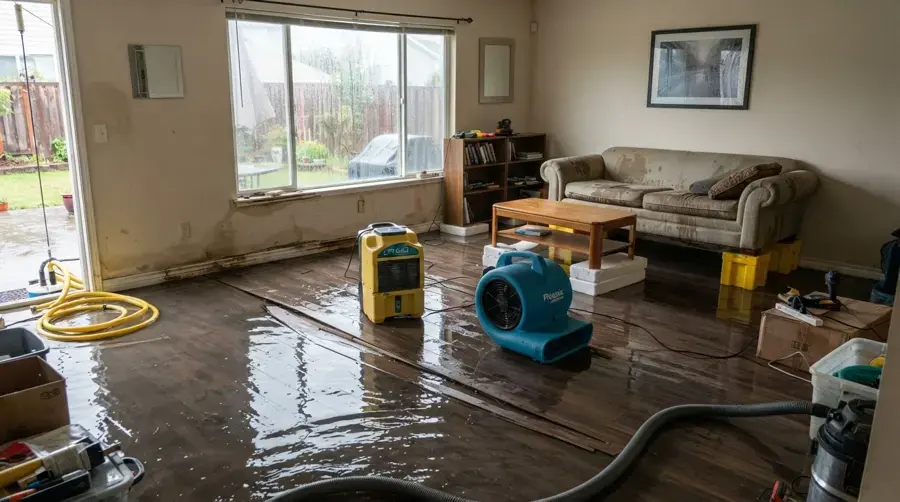 Water Extraction in JacksonvilleStorm rain, creek overflow or a failed pipe: standing water is pulled out before it wicks into plaster.View service
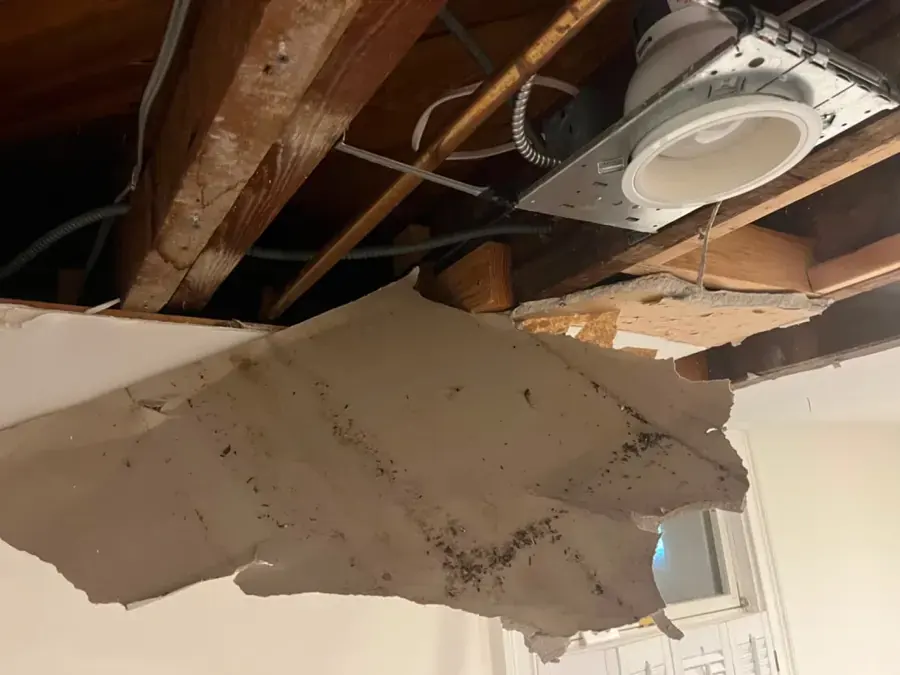 Ceiling Leak Water Damage in JacksonvilleA wet ceiling in an older building is opened and dried before drywall or plaster lets go.View service
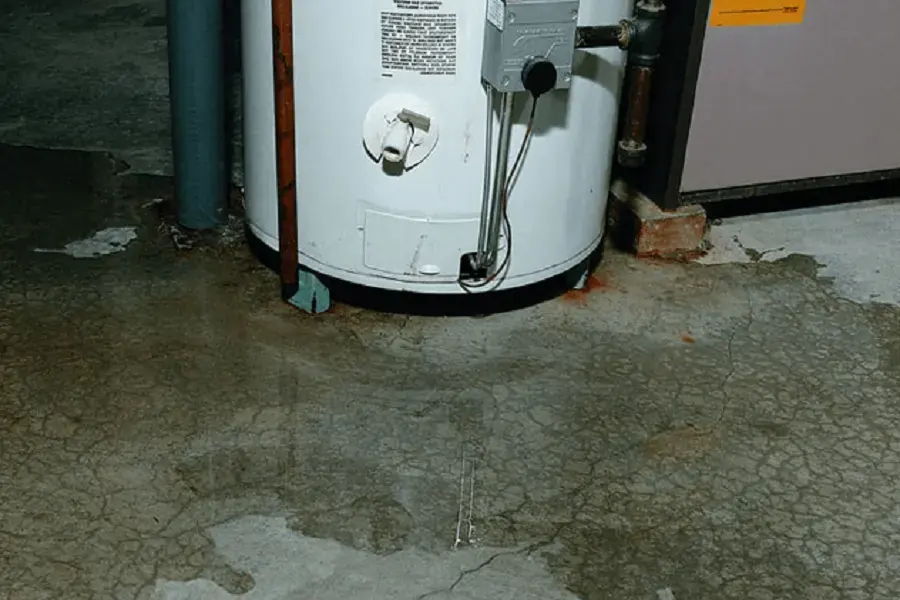 Water Heater Leak Cleanup in JacksonvilleCloset and utility room tank leaks, with the flooring, walls and cabinetry nearby dried out.View service
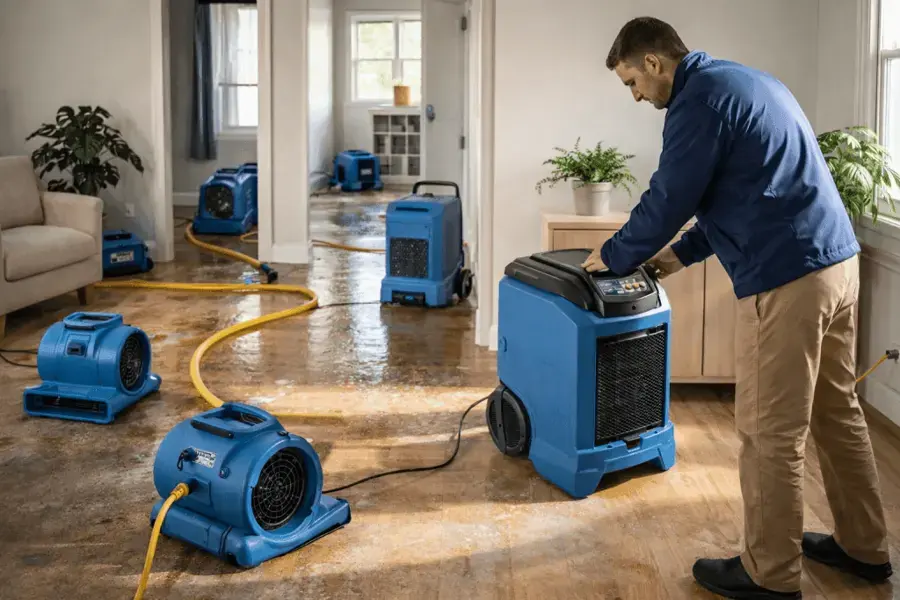 Structural Drying in JacksonvilleOld masonry, plaster and framing dried carefully, with readings logged against a clear goal.View service
Appliance Leak Cleanup in Grants PassWasher hoses, dishwashers and ice-maker tubing that soak floors and cabinets.View service
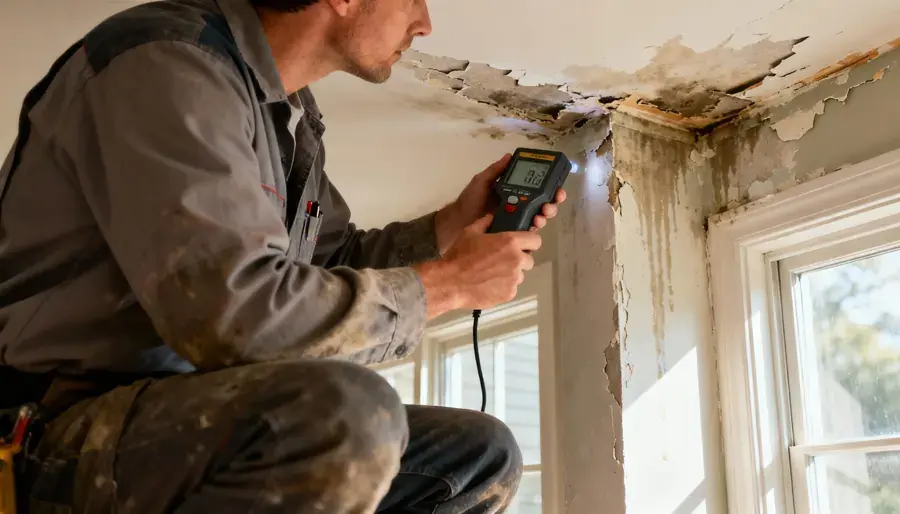 Water damage restoration in JacksonvilleAll fourteen services are tailored to Jacksonville's historic masonry, creek corridors, hillside streets and owner-occupied homes.View the town page
How long can an appliance leak go unnoticed?
Weeks, in some cases. A slow drip behind a washer or under a dishwasher is hidden by the unit itself, and it only shows once the floor softens, a smell develops or a stain reaches the ceiling below.
What does a failing hose look like?
Look for bulges, cracks, rust at the fittings or a damp patch under the appliance. Any of those means the hose is close to failing and the area should be dried before damage spreads.
Does the cabinet have to be replaced?
Not always. Moisture meters show whether the base is wet through. Many cabinets dry in place once the toe-kick is opened, while swollen particleboard may have to be replaced.
Can a leak affect my neighbor?
In shared-wall buildings, yes. Water can cross a wall or floor into the next unit, so the crew meters both sides and checks ceilings below, which matters in a town with many renters and older buildings.
How long does drying take?
A contained leak usually dries in three to five days. Water under flooring or into the subfloor takes longer, and structural drying in Jacksonville equipment stays until readings match dry material.
Will insurance cover an appliance leak?
A sudden hose burst is often covered, while a slow leak over many weeks may not be. Coverage depends on the policy, so check with your own insurer and photograph the damage before repairs.
Appliance leaking in Jacksonville? Call now.
Water comes out first, and the drying team keeps going until the floor, cabinets and subfloor meter dry.
(888) 373-8814Dry out the appliance leak