Flood Water Cleanup in Eagle Point, OR
Floodwater is never clean. It carries silt, bacteria and runoff, so it is handled as Category 3 from the first minute. In Eagle Point the restoration team pumps out creek overflow, hauls off soaked materials and disinfects before the drying team sets equipment.
(888) 373-8814Creek water inside? Call for flood cleanup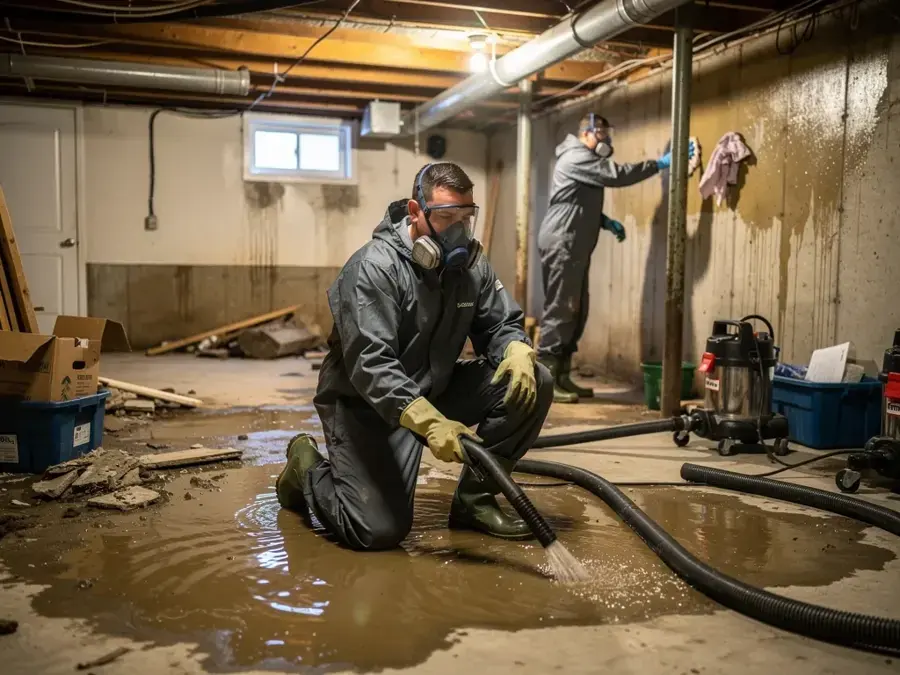
First steps when floodwater enters an Eagle Point home
Do now
- 1Stay out of the water. Floodwater can hide debris and live wiring, so keep family and pets clear of every wet room
- 2Cut power with care. Shut the main breaker only when the panel is dry and easy to reach, otherwise leave it alone and call
- 3Photograph the high mark. Record how high the water rose, the damaged belongings and the water outside before anything is moved
- 4Ask for containment. Request flood cleanup and mention how deep the water was and where it entered the building
Hold off
- Touching wet outlets or electrical appliances
- Running the furnace while ducts are soaked
- Stacking wet furniture back against walls
How flood water cleanup is handled by the Eagle Point restoration crew
Flood jobs start with safety and containment, then water and silt are removed, and drying begins only after everything contaminated has left the structure.
Rapid local response
The response team works day and night across Eagle Point and the Rogue Valley, weekends and storm nights included, and treats active water as urgent.
IICRC S500 drying standard
The drying team works to the industry drying standard and pulls equipment only when readings say dry, not when a surface looks dry.
Claim-ready documentation
Moisture maps, daily readings and timestamped photos go into a drying log that an adjuster, a landlord and the owner can all read.
Rogue Valley water experts
Crawl spaces, manufactured homes, wells, septic systems and old galvanized pipe are everyday work, so the crew checks under the floor, not just the wet room.
What does flood water cleanup cost in Eagle Point, OR?
Flood water cleanup in Eagle Point, OR typically runs $3,000 to $25,000 or more. Water that stays in a garage or lower area sits near the bottom, water across the main floor costs more, and deep water through a whole level lands at the top.
- Garage or lower area$3,000 to $7,000
- Water and silt removed
- Framing washed down
- Short drying run
- Water over the floor$7,000 to $15,000
- Carpet and pad out
- Lower drywall cut
- Containment up
- Deep water, full level$15,000 to $25,000+
- Cabinets and batts out
- HEPA air scrubbing
- Extended drying
The drivers are the water category, the square footage, the material class and how fast drying started. For a planning range, try the water damage cost calculator.
The flood water cleanup process in Eagle Point
- 1
Pump and contain
Trash pumps clear deep water, then truck-mounted units follow while plastic barriers keep silt and spray out of clean rooms.
- 2
Remove contaminated materials
Carpet, pad, wet drywall and silted insulation leave the building, because Category 3 water cannot be rinsed out of porous material.
- 3
Wash and disinfect
Framing, concrete and hard surfaces are scrubbed and treated with an EPA-registered antimicrobial before any drying equipment starts.
- 4
Dry and clear
Dehumidifiers and air movers run until the meters read dry, and a final check of the framing comes before rebuilding begins.
The FEMA flood study for Jackson County says the chief source of flood problems within Eagle Point is Little Butte Creek, a tributary of the Rogue River that passes through the city. That makes creek overflow the flood scenario local homes should plan around, even in a town known for warm, dry summers.
What the 1997 flood showed
During the New Year's Day flood of January 1, 1997, Little Butte Creek jumped its channel in Eagle Point and moderate flooding was observed. The creek has since eroded city-owned property, and a project aims to reconnect it to its floodplain. Those records are a reminder that the channel can move, not only rise, so water may arrive from an unexpected side of a lot. A garage, a patio door or a ground-floor bedroom can all be the first place it enters, which is why the cleanup starts with a walk through every low area of the property.
Why creek water is always black water
Creek flow collects soil, animal waste and runoff on its way, so even a thin film inside a house is Category 3. Porous items such as carpet, pad and insulation cannot be made safe again and come out. Hard surfaces are washed and treated, and the work area stays sealed with plastic so silt and spray do not travel into dry rooms. A negative air machine with a HEPA filter cleans the air while crews work. When pipes or drains are also overwhelmed, sewage backup cleanup in Eagle Point covers that contamination.
From flood cleanup to drying
Once the building is clear of contaminated material, water extraction in Eagle Point removes the last pooled water and the drying team takes over. Dehumidifiers and air movers pull moisture from the studs and plates, and the crew logs readings until they match dry wood in an unaffected part of the house. Only then do the cleaned rooms go back to the rebuild stage, whether that means new drywall, trim or flooring, and an adjuster can read the full log of what was removed and why.
Where flood water cleanup is handled around Eagle Point
The Eagle Point water damage pros work all of ZIP 97524, from the Main Street storefronts to the Shasta Avenue and Linn Road areas and the OR 62 corridor along the Crater Lake Highway. Drying crews also visit the Eagle Point Golf Community, Butte Crest and homes by Little Butte Creek.
See every area coveredRelated water damage services in Eagle Point
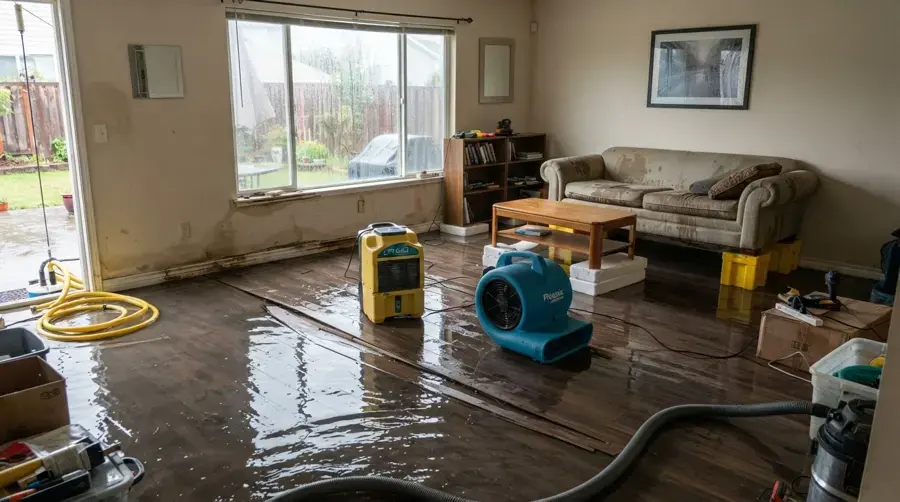 Water Extraction in Eagle PointStanding water from a failed pipe or creek overflow pumped out before it reaches the subfloor.View service
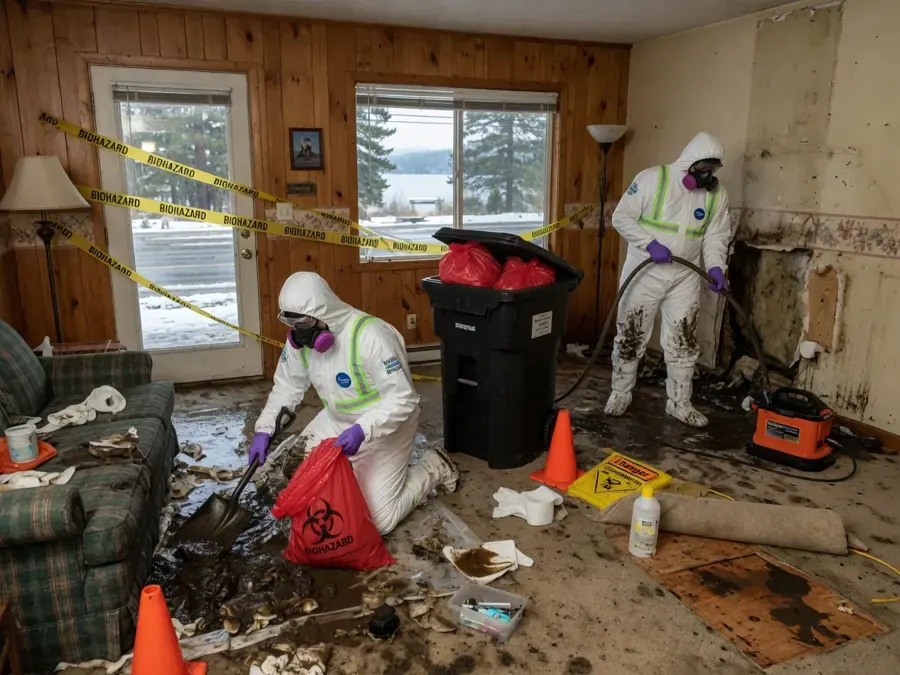 Sewage Backup Cleanup in Eagle PointBackups on the Rogue Valley Sewer Services system contained, removed and treated as Category 3.View service
 Storm Water Damage in Eagle PointWinter storm rain and creek-side runoff pushed past siding and low doorways.View service
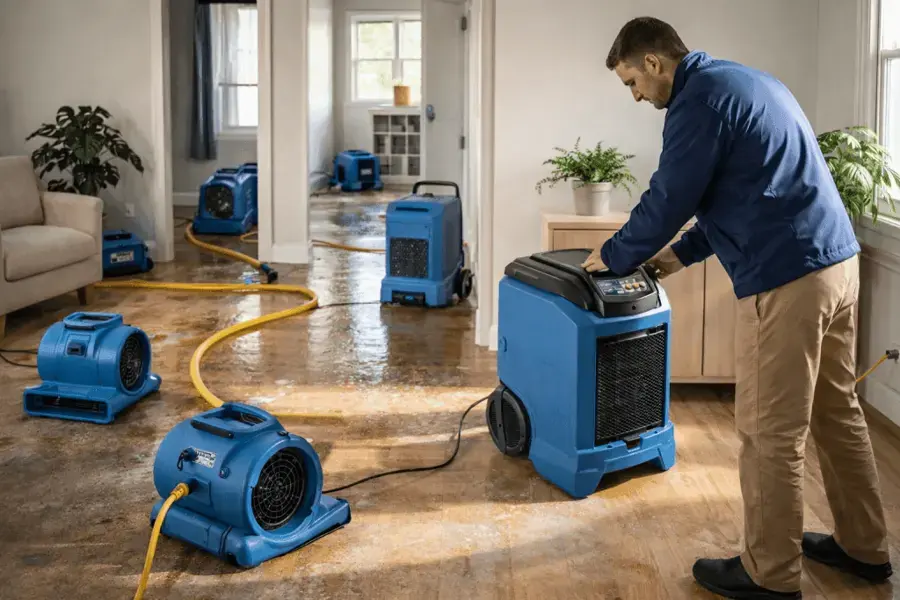 Structural Drying in Eagle PointStuds, subfloor and wall cavities taken to dry-wood readings in any house.View service
Flood Water Cleanup in Grants PassRising water from the Rogue River or a town creek, handled as Category 3 from the first step.View service
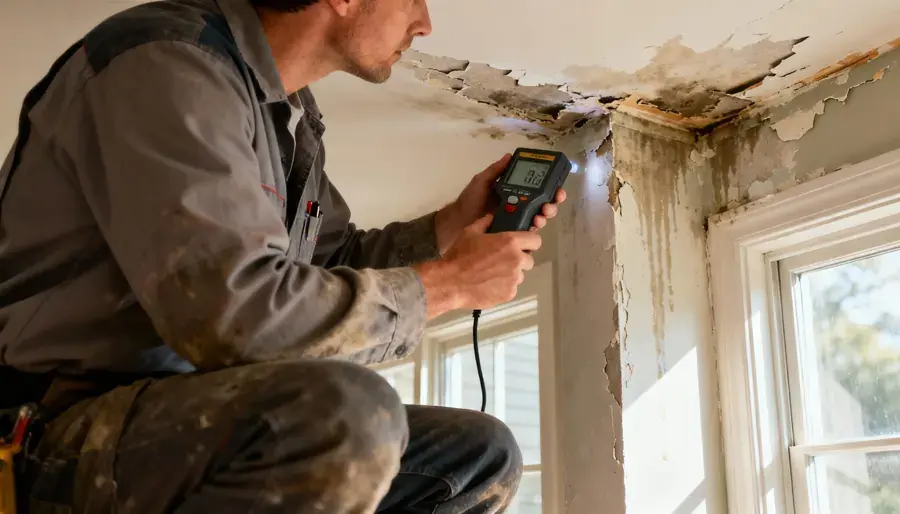 Water damage restoration in Eagle PointFourteen services, each shaped around Eagle Point's newer frame homes, manufactured homes and Main Street shops.View the town page
Which waterway drives flood risk in Eagle Point?
The FEMA flood study for Jackson County identifies Little Butte Creek as the chief source of flood problems within the city. It is a tributary of the Rogue River and passes through town.
Is floodwater really that dirty?
Yes. Creek overflow carries soil, bacteria and runoff, which makes it Category 3 no matter how clear it looks. Contact with it is a health risk, so containment and protective gear are standard.
Can soaked carpet be cleaned after a flood?
Usually not. Carpet and pad that sat in Category 3 water are removed and discarded, while hard flooring and framing can be washed, disinfected and dried.
What happened in Eagle Point in the 1997 flood?
During the New Year's Day flood on January 1, 1997, Little Butte Creek jumped its channel and moderate flooding was observed in the city, according to flood records for the creek.
When can rebuilding start?
Rebuilding waits until meters show framing and subfloor at dry readings and the area has been cleaned. Closing walls early traps moisture and invites musty growth.
Should I turn off power during a flood?
Only if the panel is dry and you can reach it without standing in water. Otherwise stay away and call, since water and live wiring is a serious shock hazard.
Does home insurance pay for flood cleanup?
Standard policies usually exclude rising creek water, which falls under separate flood coverage. A pipe failure may be covered differently, so check your own policy with your insurer.
Creek water in your Eagle Point home? Call now.
Containment goes up first, contaminated materials come out, and the drying team stays until readings return to normal.
(888) 373-8814Start the flood cleanup