Structural Drying in Eagle Point, OR
Once standing water is gone, wood and drywall still hold moisture that no eye can see. The Eagle Point drying team places dehumidifiers and air movers by the readings and keeps them running until the structure matches dry material.
(888) 373-8814Wet framing or floors? Call for a dry-out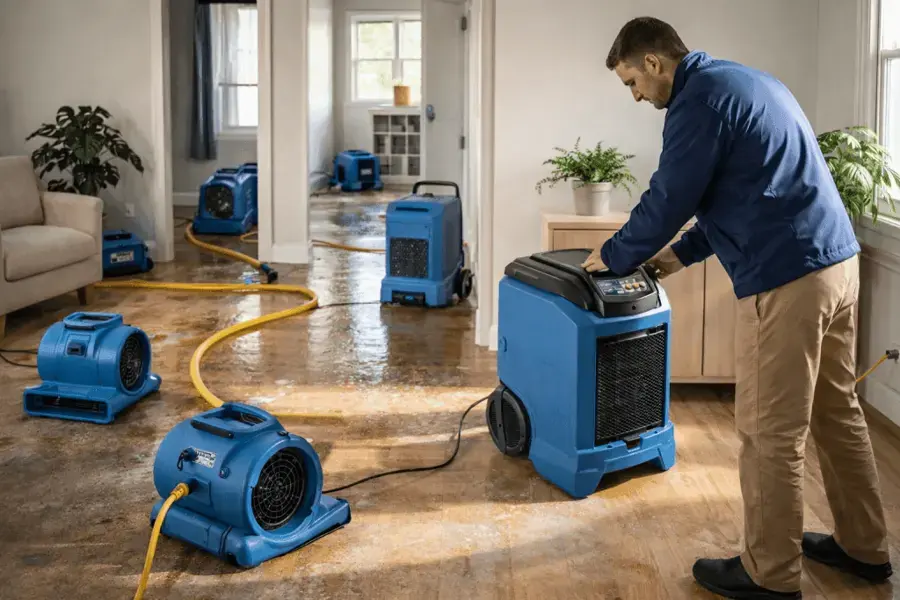
First steps before the drying equipment arrives in Eagle Point
Do now
- 1Remove what you can. Pull wet rugs, boxes and soft items out of the room so they stop adding moisture to the air
- 2Keep the house closed. Shut windows and doors in wet rooms so the dehumidifiers can work without outdoor humidity pouring in
- 3Leave walls alone. Do not drill or cut wet walls before they are mapped, since the meter shows where to open
- 4Note the damage. Photograph wet surfaces and write down when the water started so the drying plan fits the loss
Hold off
- Using a heater to bake wet walls
- Opening windows during damp winter weather
- Removing equipment because it feels dry
How structural drying is handled by the Eagle Point restoration crew
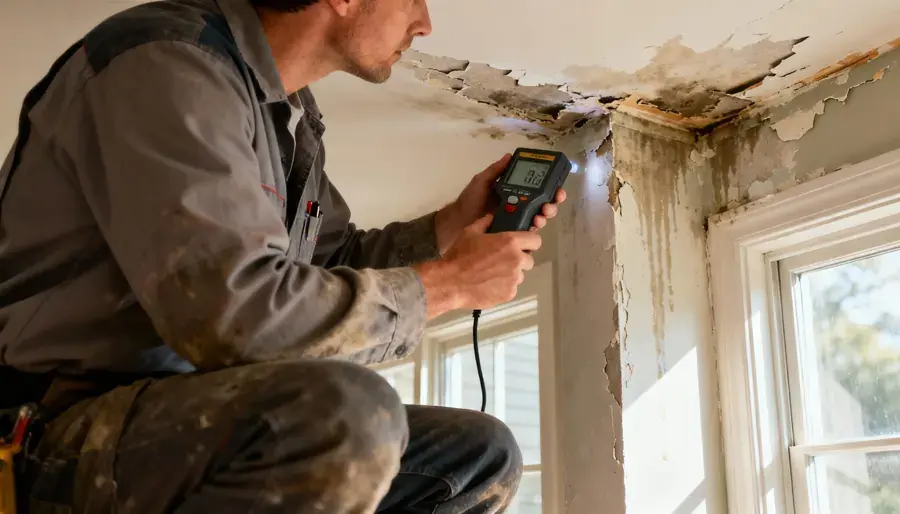
Drying is a measured job: map the moisture, build the equipment plan around it, and read the same spots every day until the numbers drop.
Rapid local response
The response team works day and night across Eagle Point and the Rogue Valley, weekends and storm nights included, and treats active water as urgent.
IICRC S500 drying standard
The drying team works to the industry drying standard and pulls equipment only when readings say dry, not when a surface looks dry.
Claim-ready documentation
Moisture maps, daily readings and timestamped photos go into a drying log that an adjuster, a landlord and the owner can all read.
Rogue Valley water experts
Crawl spaces, manufactured homes, wells, septic systems and old galvanized pipe are everyday work, so the crew checks under the floor, not just the wet room.
What does structural drying cost in Eagle Point, OR?
Structural drying in Eagle Point, OR typically runs $1,000 to $7,000, depending on how many rooms and how much wet framing the water reached. Two rooms of drywall and subfloor sit near the bottom, while dense materials and a deep soak reach the top.
- One or two rooms$1,000 to $2,500
- Moisture mapped
- A few air movers
- One dehumidifier
- Several rooms or a floor system$2,500 to $5,000
- Cavities opened
- Dehumidifiers added
- Daily readings
- Dense or Class 4 materials$5,000 to $7,000+
- Desiccant drying
- Extended run time
- Full documentation
The drivers are the water category, the square footage, the material class and how fast drying started. For a planning range, try the water damage cost calculator.
The structural drying process in Eagle Point
- 1
Map the moisture
Pinless meters and a thermal camera mark every wet panel, plate and joist so equipment is placed where water actually is.
- 2
Build the drying plan
Air movers push air across wet surfaces and dehumidifiers pull the moisture out, with the count matched to room size and class of loss.
- 3
Read it every day
The same spots are checked daily, equipment is moved as areas finish and the drying log records each reading.
- 4
Release the gear
Equipment leaves when framing and subfloor match dry wood elsewhere in the house, and the final readings go in the file.
Eagle Point has 3,949 housing units, and the median home was built in 2000. Most of them are frame houses from the 1990s and 2000s, with 393 manufactured homes in the mix, about 10.0% of units. Both build types hold water in wood, drywall and insulation after the standing water is gone, and the drying approach has to fit each.
What drying actually removes
Wood and drywall absorb moisture and release it slowly. Fans alone only dry the surface, while the studs, plates and subfloor stay damp for weeks. Dehumidifiers remove water vapor from the air so the building materials can give up their moisture. The crew sets both, measures the result and adjusts, because drying is a loop of readings and changes, not a single setup. Temperature matters too: warm air holds more vapor, but turning up a household heater is no substitute for a controlled drying chamber.
Frame houses and manufactured homes
In a frame house the usual targets are the bottom plates, drywall cavities and subfloor. In a manufactured home the floor system and belly are central, and decking can swell and delaminate if left wet. Both types need airflow across the cavity, not only the surface, so wall bays are opened or vented when meters show moisture trapped inside. Newer homes can also have engineered flooring and dense cabinets that need desiccant or extra airflow. See manufactured home water damage in Eagle Point for the belly work.
Why the readings decide the end date
A floor that feels dry can still read wet underneath, and closing a wall too early traps moisture and invites musty growth. Daily readings also show which rooms have finished, so gear is moved to the rooms that still need it and the job does not run longer than necessary. The drying team compares readings against dry wood in an unaffected part of the house and removes equipment only when they match. Water extraction in Eagle Point comes first when water is still standing, and crawl space water damage in Eagle Point covers the space below the floor.
Where structural drying is handled around Eagle Point
The Eagle Point water damage pros work all of ZIP 97524, from the Main Street storefronts to the Shasta Avenue and Linn Road areas and the OR 62 corridor along the Crater Lake Highway. Drying crews also visit the Eagle Point Golf Community, Butte Crest and homes by Little Butte Creek.
See every area coveredRelated water damage services in Eagle Point
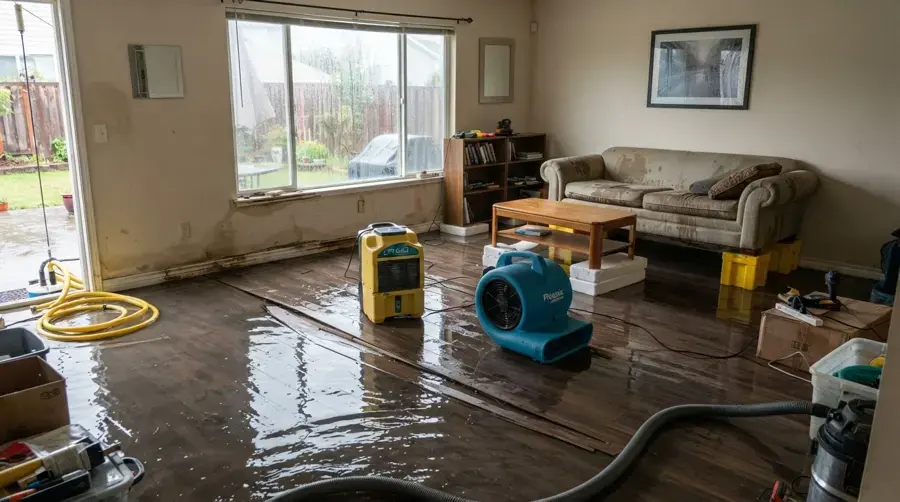 Water Extraction in Eagle PointStanding water from a failed pipe or creek overflow pumped out before it reaches the subfloor.View service
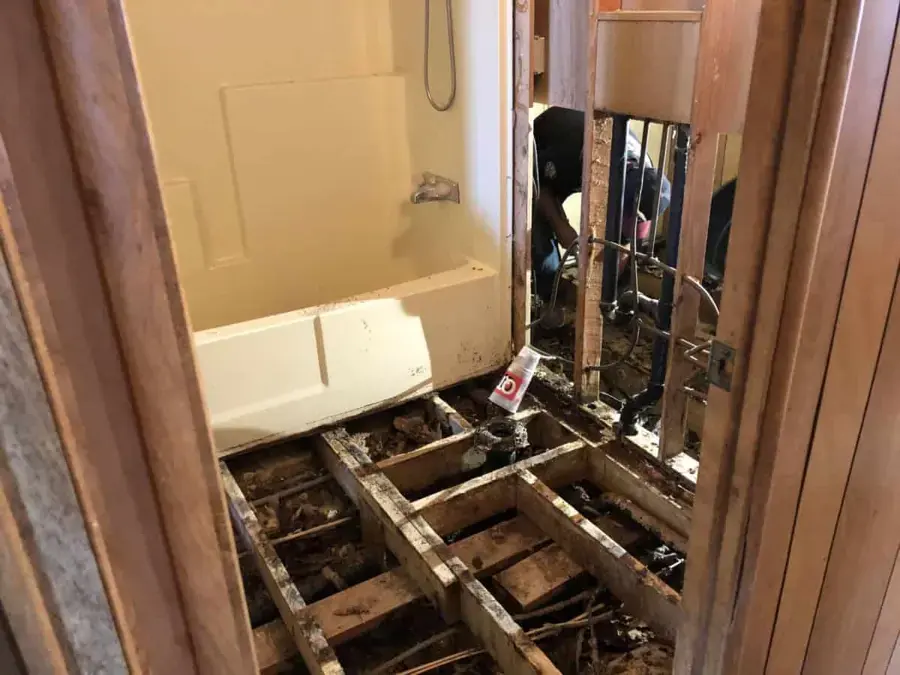 Manufactured Home Water Damage in Eagle PointBelly insulation and floor decking in the city's 393 manufactured homes, including Butte Crest.View service
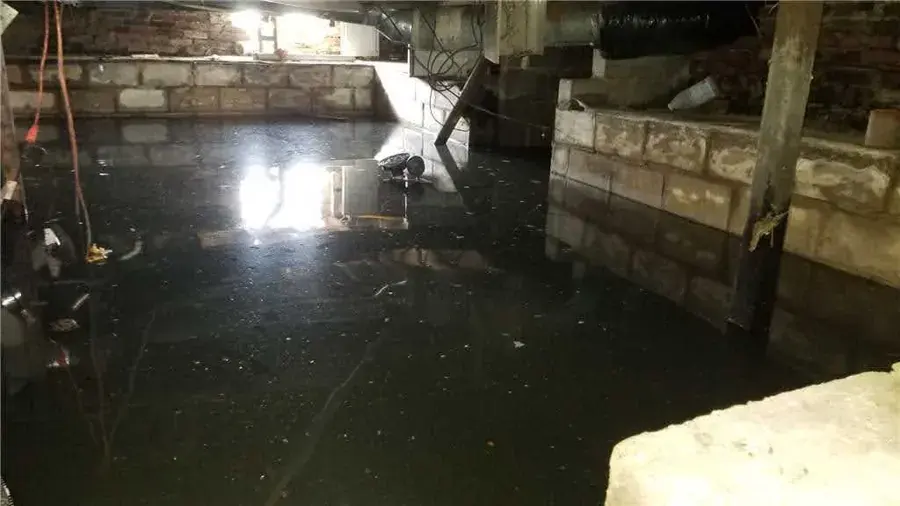 Crawl Space Water Damage in Eagle PointWater that collects under a house is pumped out, then the joists are dried to a measured reading.View service
 Burst Pipe Cleanup in Eagle PointSupply pipes and fittings in homes from the 1990s and 2000s, with the wet wall dried.View service
Structural Drying in Grants PassAir movers, LGR and desiccant dehumidifiers run until readings meet the drying goal.View service
 Water damage restoration in Eagle PointFourteen services, each shaped around Eagle Point's newer frame homes, manufactured homes and Main Street shops.View the town page
What is structural drying?
It is the measured removal of moisture from framing, subfloor, drywall and cavities after the loose water is extracted, using dehumidifiers and air movers placed by meter readings.
Why not just use fans?
Fans dry surfaces and push damp air around. Without dehumidifiers the moisture has nowhere to go, and the studs and subfloor stay wet inside, which can lead to damage later.
How do you know when a house is dry?
The drying team compares readings in wet areas with readings in dry parts of the same house and keeps the equipment running until they match the IICRC S500 drying goal.
Does drying differ for newer homes?
Somewhat. Eagle Point homes are mostly from the 1990s and 2000s, with engineered flooring and dense cabinets in many, so airflow and desiccants may be added to reach those materials.
What about manufactured homes?
Eagle Point counts 393 mobile or manufactured homes. Drying focuses on the floor system and belly, with equipment above and below, and decking is checked daily for swelling.
Can I turn off the equipment at night?
Better not to. Drying works around the clock, and switching off gives wet materials time to reabsorb moisture from the air. The equipment is quieter than most people expect.
Will insurance pay for structural drying?
When the water came from a covered sudden event, drying is typically part of the claim, and daily readings document it. Policies differ, so check with your own insurer.
Wet framing in your Eagle Point home? Call now.
Moisture is mapped first, equipment is placed by the readings, and the drying team stays until every number drops.
(888) 373-8814Start the structural drying