Water Extraction in Eagle Point, OR
Water that sits keeps climbing into pad, subfloor and drywall, whether a pipe failed or Little Butte Creek overflowed. The extraction crew removes it using portable pumps and truck-mounted suction, and the drying team then finds whatever stayed wet.
(888) 373-8814Flooded rooms? Call for an Eagle Point pump-out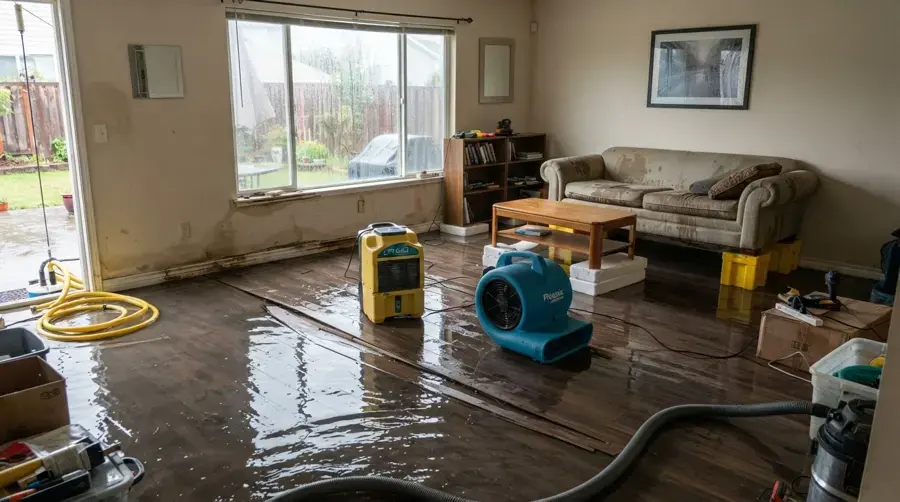
First steps when Eagle Point floors are under water
Do now
- 1Stop the flow. Close the fixture valve or the main, and shut off the water heater when a hot pipe is the culprit
- 2Power down wet rooms. From a dry spot, switch off breakers feeding soaked outlets, and stay out if water has reached the panel
- 3Document the damage. Photograph standing water, wet walls and damaged belongings from the doorway before anything is carried out
- 4Call for pumps. Tell the dispatcher how deep the water is, which rooms it reached and whether any came through a drain
Hold off
- Wading in water near cords or a wet panel
- Pulling carpet before it is photographed
- Using a shop vac on more than a puddle
How water extraction is handled by the Eagle Point restoration crew
Extraction runs in a fixed order: surface water first, then the water trapped inside materials, then the moisture left in the framing.
Rapid local response
The response team works day and night across Eagle Point and the Rogue Valley, weekends and storm nights included, and treats active water as urgent.
IICRC S500 drying standard
The drying team works to the industry drying standard and pulls equipment only when readings say dry, not when a surface looks dry.
Claim-ready documentation
Moisture maps, daily readings and timestamped photos go into a drying log that an adjuster, a landlord and the owner can all read.
Rogue Valley water experts
Crawl spaces, manufactured homes, wells, septic systems and old galvanized pipe are everyday work, so the crew checks under the floor, not just the wet room.
What does water extraction cost in Eagle Point, OR?
Water extraction in Eagle Point, OR typically runs $400 to $3,500, covering the pump-out and the first drying set-up. One room of clean water lands near the low end, while deep water, Little Butte Creek overflow or a Category 3 source climbs toward the top.
- One room, clean spill$400 to $1,200
- Wet-dry extraction
- Soaked pad lifted
- Two air movers
- Water in several rooms$1,200 to $2,500
- Truck-mounted pass
- Baseboard pulled
- Daily moisture checks
- Deep water or sewage$2,500 to $3,500+
- Pumps for deep water
- Contained work area
- Porous items removed
The drivers are the water category, the square footage, the material class and how fast drying started. For a planning range, try the water damage cost calculator.
The water extraction process in Eagle Point
- 1
Pump the standing water
Submersible pumps clear anything deep, then truck-mounted suction and weighted wands draw water out of carpet, pad and flooring.
- 2
Lift what holds water
Soaked pad, wet baseboard and swollen trim are cut out and bagged so they stop feeding moisture into the framing.
- 3
Set the drying gear
Air movers and dehumidifiers go in as soon as the loose water is gone, placed according to the moisture map.
- 4
Check and release
Meters are read every day, and the equipment leaves once subfloor and drywall match dry wood elsewhere in the house.
Little Butte Creek passes through Eagle Point, and the FEMA flood study for Jackson County calls it the chief source of flood problems in the city. The creek jumped its channel during the New Year's Day flood of January 1, 1997, with moderate flooding observed in town. Plumbing failures put water indoors on any day of the year too, so extraction here answers to both the creek and the pipe.
Pipes, tanks and hoses in newer homes
The median Eagle Point home was built in 2000, which puts most supply pipes, water heaters and appliance hoses in the middle of their working lives. A fitting that lets go behind a wall, or a washer hose that slips off, can spread an inch of water across a large floor in minutes. The first priority is the same either way: stop the source, then get the volume out. Houses in the golf community and elsewhere in town share that routine, and so do rentals, where a tenant may not notice a slow leak until the floor is soaked.
What the extraction crew does
The crew checks the water category before touching anything, because clean water and sewage need different handling. Portable pumps go to the deepest spot, truck-mounted suction follows across carpet and hard floors, and weighted wands press water out of the pad. Once the loose water is gone, structural drying takes over for the moisture that remains in the wood, since a floor that looks dry can still read wet underneath.
When the creek is the source
Creek water carries silt and bacteria, so it counts as Category 3 from the start, even when it only reached a garage or the ground floor. The crew seals off the work area, removes porous materials the water touched and cleans hard surfaces before any fans run. The flood water cleanup in Eagle Point page covers that side of the work.
Where water extraction is handled around Eagle Point
The Eagle Point water damage pros work all of ZIP 97524, from the Main Street storefronts to the Shasta Avenue and Linn Road areas and the OR 62 corridor along the Crater Lake Highway. Drying crews also visit the Eagle Point Golf Community, Butte Crest and homes by Little Butte Creek.
See every area coveredRelated water damage services in Eagle Point
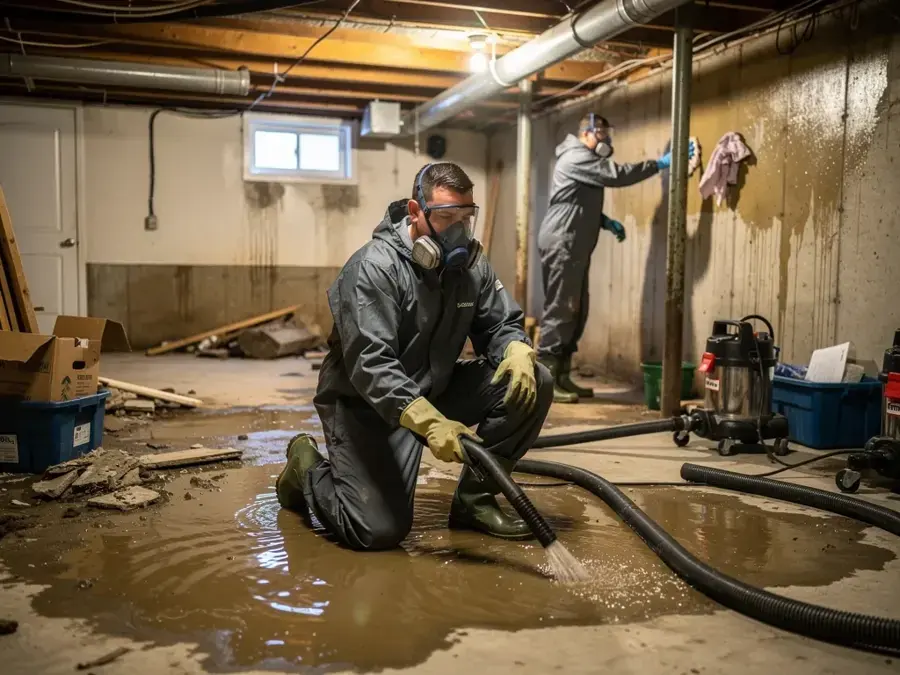 Flood Water Cleanup in Eagle PointLittle Butte Creek is the chief flood source here, so creek water is treated as Category 3.View service
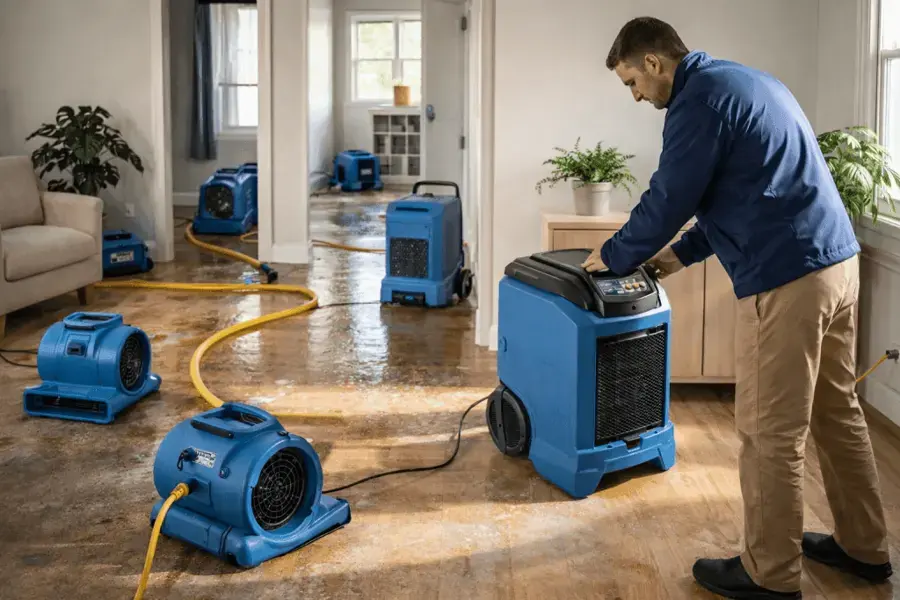 Structural Drying in Eagle PointStuds, subfloor and wall cavities taken to dry-wood readings in any house.View service
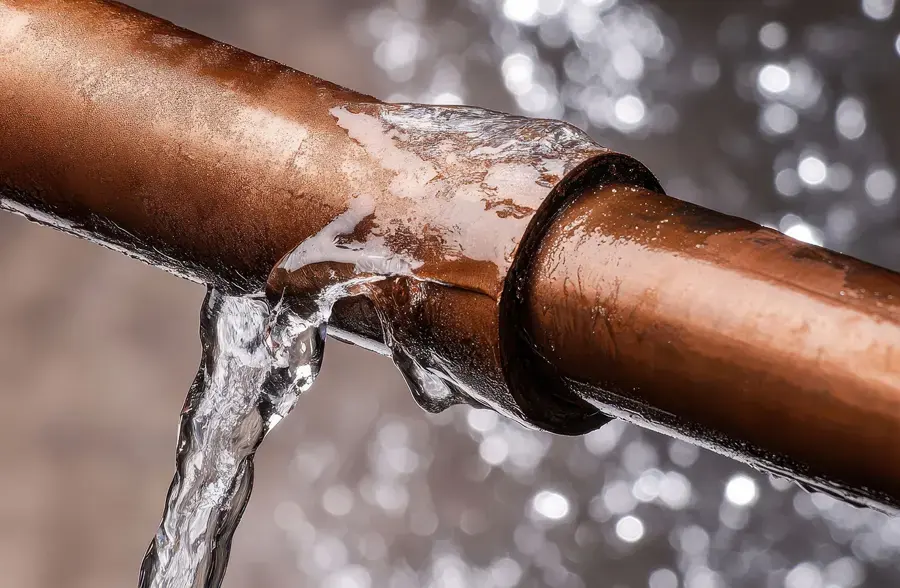 Burst Pipe Cleanup in Eagle PointSupply pipes and fittings in homes from the 1990s and 2000s, with the wet wall dried.View service
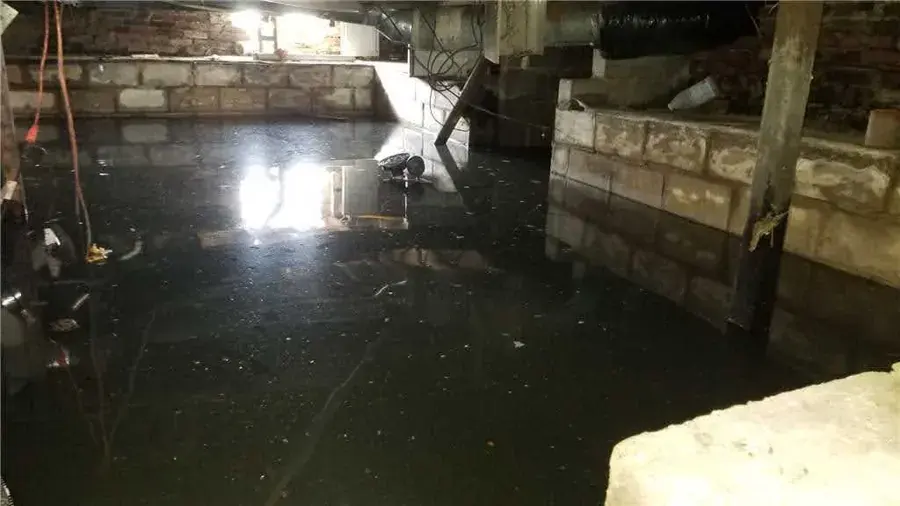 Crawl Space Water Damage in Eagle PointWater that collects under a house is pumped out, then the joists are dried to a measured reading.View service
Water Extraction in Grants PassTruck-mounted and portable extraction pulls standing water before it wicks into pad, subfloor and walls.View service
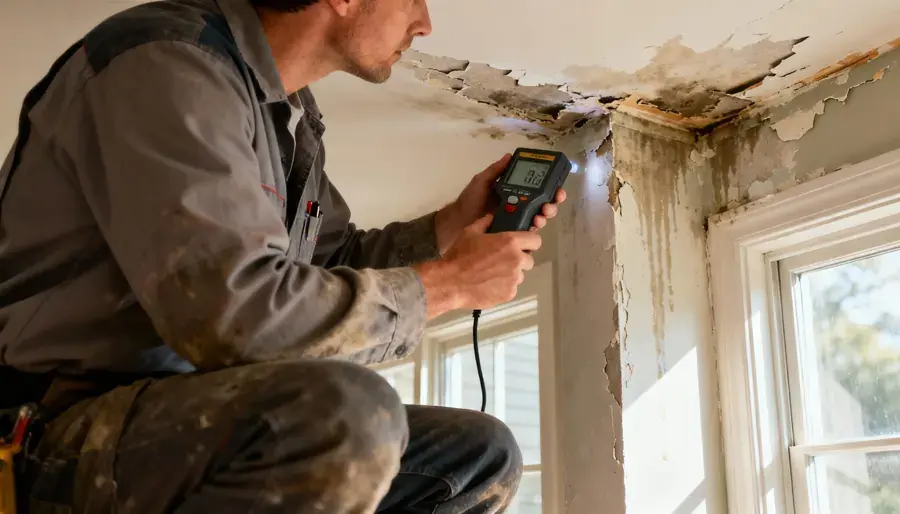 Water damage restoration in Eagle PointFourteen services, each shaped around Eagle Point's newer frame homes, manufactured homes and Main Street shops.View the town page
How soon does water need to come out of an Eagle Point house?
As soon as the source is stopped. Water wicks up drywall and into subfloor within hours, and damp materials can turn musty after 24 to 48 hours, so pumping first keeps the dry-out smaller.
Is Little Butte Creek water handled differently?
Yes. Creek overflow carries soil and bacteria, which makes it Category 3. The area is contained, porous materials come out and surfaces are disinfected before drying equipment is set.
Can wet carpet be saved after extraction?
Often, when the water was clean and extraction began early. Pad is usually replaced because it holds water, while carpet can sometimes be lifted, dried and reset. Gray or black water means both go.
What if the leak is on the city side of the meter?
The City of Eagle Point fixes a leak on its side of the water meter at no charge. Water that already entered the house still needs extraction and drying, and the owner arranges that.
Does extraction include drying?
Extraction removes the loose water, but wood and drywall hold more than they show. The drying team adds air movers and dehumidifiers, reads the meters and keeps the equipment until readings match dry material.
Will a shop vac do the job for a flooded room?
Only for a small spill. A household vacuum cannot lift water from pad or subfloor, and using it near wet outlets is risky. Truck-mounted units and weighted wands reach what a vacuum leaves behind.
Does insurance pay for water extraction?
Policies often cover a sudden pipe or tank failure, while creek flooding generally needs separate flood coverage. Every policy reads differently, so check the details with your own insurer.
Standing water in your Eagle Point home? Call now.
Pumps go in first, soaked materials come out next, and the drying team keeps working until the meters read dry.
(888) 373-8814Start the water extraction