Storm Water Damage in Medford, OR
Medford sits in a rain shadow, yet its wettest day on record brought 3.30 inches and winter storms still deliver rain, snow and runoff. The restoration team extracts what got in, dries wall bottoms and floors and treats ground runoff as Category 3.
(888) 373-8814Storm water inside? Call for Medford cleanup
What to do when storm water gets into a Medford home
Do now
- 1Stay off the roof. Leave roof and gutter checks until the storm passes, since wet surfaces are slick
- 2Block the entry. Towels or sandbags at a door, plus a tarp over a window leak, can slow the flow
- 3Avoid wet outlets. Keep clear of outlets and cords where runoff stands, and switch breakers off from a dry spot
- 4Photograph and call. Shoot the entry points and wet floors, then call before carpet and walls absorb more
Hold off
- Wading through runoff near outlets
- Waiting for the sky to clear before acting
- Ignoring damp baseboards after the water drains
How storm water damage is handled by the Medford restoration crew
The path the water took decides the category, and the category decides what is cleaned, what is removed and what simply dries.
Rapid local response
The response team works day and night across Medford and the Rogue Valley, weekends and storm nights included, and treats active water as urgent.
IICRC S500 drying standard
The drying team works to the industry drying standard and pulls equipment only when readings say dry, not when a surface looks dry.
Claim-ready documentation
Moisture maps, daily readings and timestamped photos go into a drying log that an adjuster, a landlord and the owner can all read.
Rogue Valley water experts
Crawl spaces, manufactured homes, wells, septic systems and old galvanized pipe are everyday work, so the crew checks under the floor, not just the wet room.
What does storm water damage cost in Medford, OR?
In Medford, OR, storm water damage cleanup usually costs $1,000 to $8,000. Rain through a single window or door lands near the bottom; runoff that reaches several rooms or the space under the floor lands near the top.
- One entry point$1,000 to $2,500
- Water extracted
- Wall bottoms dried
- Readings logged
- Several rooms$2,500 to $5,500
- Carpet and cushion out
- Air movers set
- Daily moisture logs
- Runoff reached the floor system$5,500 to $8,000+
- Under-floor pump-out
- Category 3 protocol
- Insulation removed
The drivers are the water category, the square footage, the material class and how fast drying started. For a planning range, try the water damage cost calculator.
The storm water damage process in Medford
- 1
Trace the entry
The tech follows the water back to a window frame, threshold, siding gap or vent and notes the water category for the claim.
- 2
Extract and remove
The extraction crew pulls standing water, then soaked cushion and baseboard come out where they cannot dry.
- 3
Treat runoff
If ground runoff came in, surfaces are cleaned and treated, and porous materials it reached are discarded.
- 4
Dry and confirm
Dehumidifiers and air movers run until wall bottoms, subfloor and carpet backing read dry.
Medford sits in the Rogue Valley rain shadow between the Cascade Range and the Siskiyou Mountains, so it is drier than much of Oregon. Storms still arrive. The record wettest day was December 2, 1962 with 3.30 inches, and the wettest month was December 1964 with 12.72 inches. The city also averages about 3.4 inches of snow, which turns to runoff on a warm spell. A thaw after a snowfall can send meltwater against a wall or under a door just as easily as rain can.
How storm water finds a way in
Wind-driven rain gets past window frames, door thresholds and gaps in siding, and snow melt can run toward a foundation or a garage floor. Roof leaks that start in a storm are covered under roof leak water damage. Water that arrives at ground level is a flood question, and flood water cleanup covers Bear Creek overflow.
The path sets the category
Rain that blows through a wall picks up dust and insulation, which makes it Category 2. Runoff that crossed a yard or a street carries soil and bacteria and counts as Category 3. NWS Medford issued winter storm warnings for the Rogue Valley area in January 2024, a reminder that cold storms bring both rain and snow. Category 2 materials such as carpet cushion usually go, while Category 3 means every porous item the water reached is removed.
Drying while the weather stays wet
Storm seasons keep outdoor air damp for days, so opening windows rarely helps. The drying team uses dehumidifiers and meter readings instead, and keeps going until wall bottoms and subfloor match dry material. Carpet edges, baseboards and the bottom of the drywall are checked first, since they wick water upward and hide it. See structural drying for how those readings work.
Where storm water damage is handled around Medford
Medford water damage pros work ZIP codes 97501, 97504 and 97502, from Downtown Medford and West Medford to the East Medford Foothills near Roxy Ann Peak. The drying team also covers the Biddle Road corridor, the Hillcrest District and homes near Bear Creek.
See every area coveredRelated water damage services in Medford
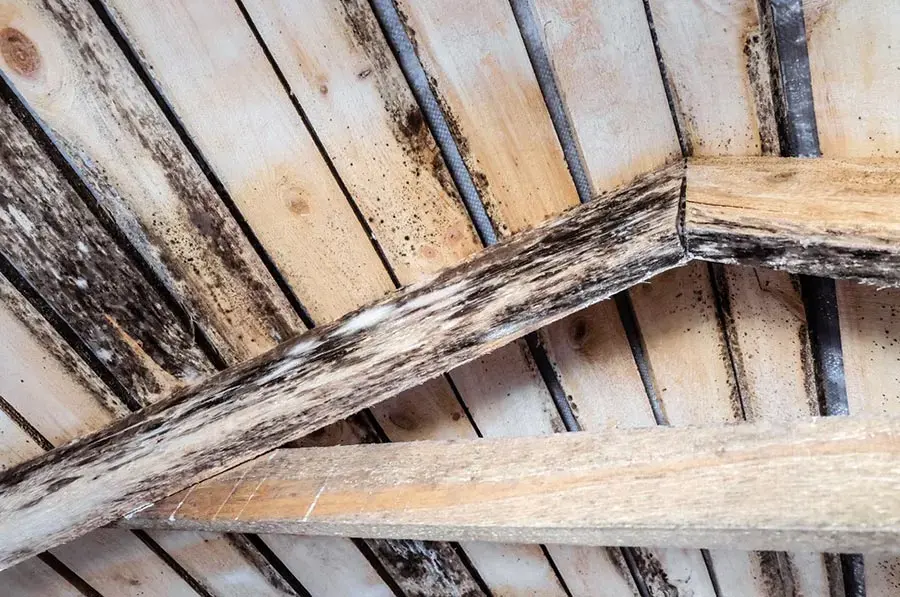 Roof Leak Water Damage in MedfordRoof leaks traced through the attic and dried before ceilings start to sag.View service
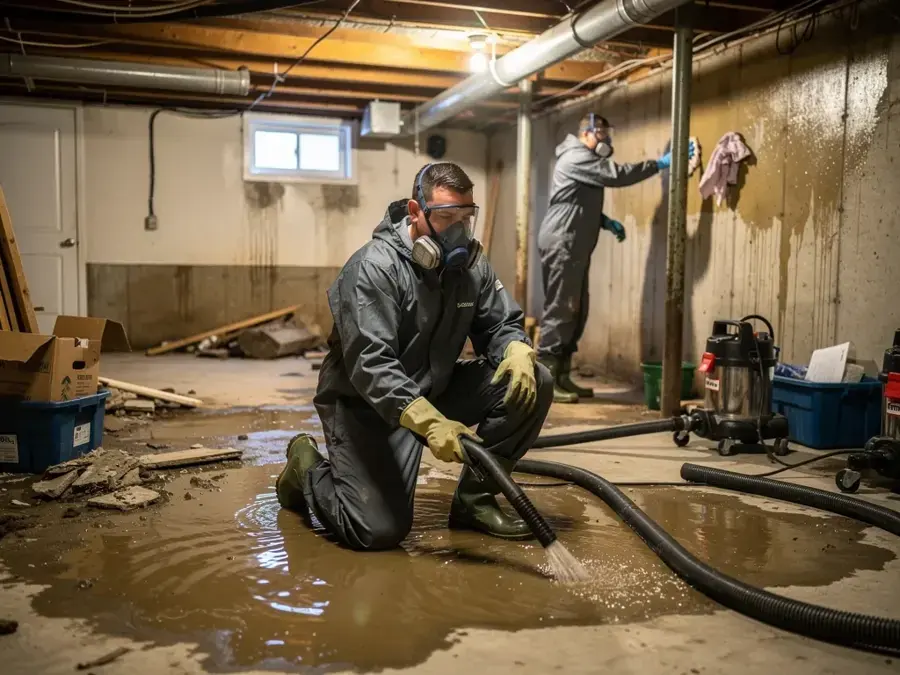 Flood Water Cleanup in MedfordOverflow from Bear Creek, Larson Creek and Lazy Creek handled as Category 3 from the first step.View service
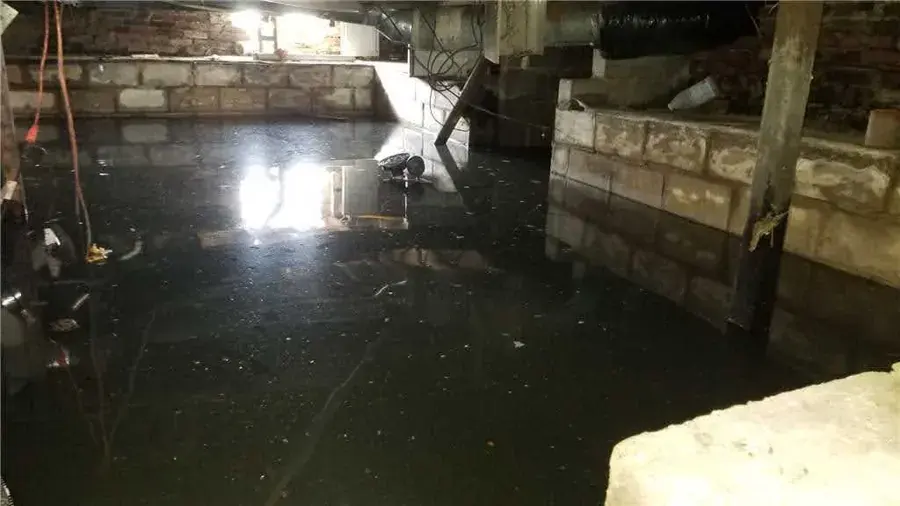 Crawl Space Water Damage in MedfordUnder-floor spaces of older homes checked and dried after a leak, with wet insulation removed.View service
 Structural Drying in MedfordFraming, subfloor and drywall dried to meter readings in 1970s, 1990s and pre-1939 houses.View service
Storm Water Damage in Grants PassAtmospheric-river rain driven through siding, windows, doors and crawl vents.View service
 Water damage restoration in MedfordFourteen services built around how Medford houses, apartments, mobile homes and storefronts take on water.View the town page
How do I know if rain got into my walls?
Look for bubbling paint at the baseboard, soft drywall near a window or door, a musty odor or a damp carpet edge. A moisture meter finds water you cannot see.
Is storm water considered clean?
No. Rain that passes through a wall or roof is Category 2, and runoff from the ground is Category 3, so treatment depends on the path it took.
Does Medford really get storms like this?
Yes. The wettest day on record was December 2, 1962 with 3.30 inches, and December 1964 set the wettest month at 12.72 inches, even though the valley sits in a rain shadow.
Will the carpet have to be replaced?
Often the cushion goes and the carpet can be saved if the water was Category 2 and caught early. Ground runoff makes the carpet itself a removal item.
How long does drying take after a storm?
Plan on three to five days for a contained loss, longer if water reached wall cavities or the floor system. Readings, not the calendar, decide.
Does insurance cover storm water?
Rain entering through a damaged roof or window is often covered, while surface flooding and runoff usually fall under a flood policy. Terms vary, so ask your own insurer.
Should the roof be fixed first?
Stopping the entry point comes first or the damage repeats. A roofer handles the roof while the drying team handles what the water already soaked.
Storm water in your Medford home? Call now.
The extraction crew removes what got in, and the drying team works until wall bottoms, floors and framing read dry.
(888) 373-8814Get the storm damage dried