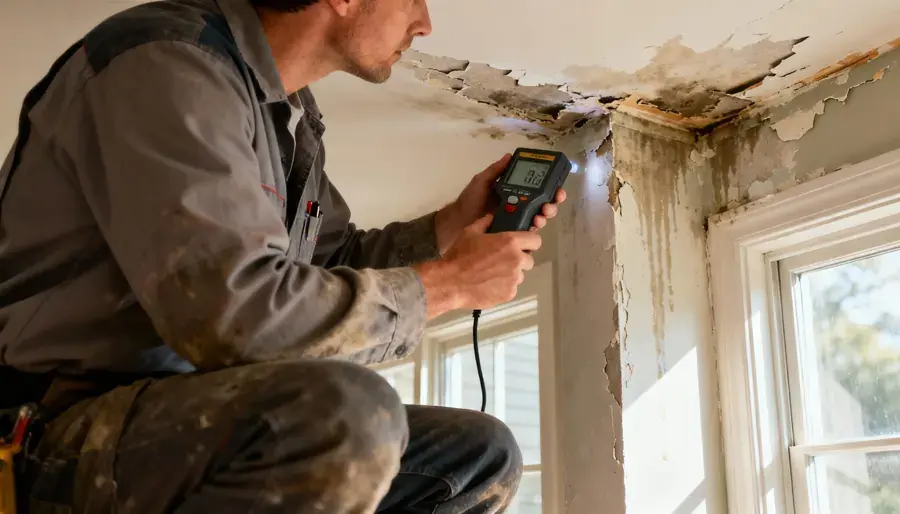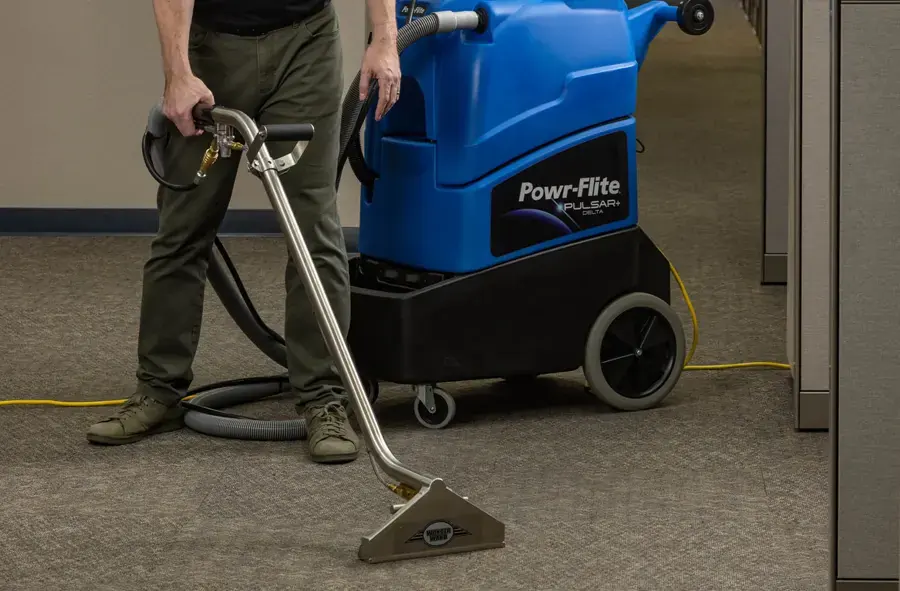
Downtown Jacksonville is a National Historic Landmark with more than 100 historic buildings. When water gets into one of them, the building itself sets the rules for how it dries.
Key takeaways
- The Jacksonville Historic District was designated a National Historic Landmark in 1966 and has more than 100 historic buildings.
- Most of the downtown core is made of unreinforced masonry buildings, many with shared walls.
- The historic core has buildings from the 1850s through the 1880s, and many are not built to current building codes.
- Water in one shop can reach the neighbor through a shared wall, so the first call should cover both sides.
- Drying a masonry building is slow and measured, and moisture readings decide when the equipment can come out.
A downtown built from masonry and shared walls
Downtown Jacksonville is centered on California Street and Oregon Street. Shops, tasting rooms, inns and restaurants fill historic buildings there.
The core has houses and commercial buildings from the 1850s through the 1880s. Most of the core is made of unreinforced masonry, and many of the buildings share walls with the next one.
Many of those buildings are not built to current building codes. That matters for water, because the walls, floors and ceilings are old, thick and slow to dry.
How water behaves in an old masonry building
A modern wood frame building dries quickly when the drywall is opened. Masonry holds water much longer, because the material is dense and absorbs moisture like a sponge.
Water can travel through the wall sideways and upward, a process called wicking. A leak at one floor level can show up as damp plaster or peeling paint in another.
- Thick walls: Masonry holds moisture deep inside, so the surface can look dry while the core stays wet.
- Shared walls: Water in one building can reach the next, so both sides must be checked.
- Old plaster: Where plaster finishes remain, they soak up water and can fail if they stay wet.
- Wood floors and beams: Timber can swell, cup or weaken if it stays wet.
- Tight spaces: Old buildings have odd cavities that trap water out of sight.
Common sources of water downtown
Water reaches a downtown building in a handful of ways. The source matters because it decides how clean the water is and how fast it spreads.
Plumbing and appliances
A burst supply pipe, a failed water heater or a leaking dishwasher in a tasting room or restaurant kitchen can release a lot of water fast.
In a building with several tenants, a leak upstairs often lands on a business downstairs.
Roof and weather
Strong winter winds and ice storms have blown down trees in Jacksonville, cutting power and blocking streets. Storm damage to an old roof can let rain in through the top floor.
Winter storms are most common from November through March.
Creek water and flood events
Jackson Creek and Daisy Creek are the two main flood sources in Jacksonville. Flooding usually follows heavy snowfall combined with sudden warm rain.
Floodwater is handled as contaminated water from the first step, and it changes what can be dried and what must be removed.
Parts of Jacksonville are in mapped FEMA flood zones, and areas outside them can still flood from small streams and local storm drainage.
What a business owner should do first
A business has two problems at once: the building and the day's work. The first hour should protect both.
- Stop the source: Close the main water valve if the leak is plumbing, and cut power to wet areas if it is safe.
- Call the neighbor: A shared wall means the next building may be wet too.
- Protect stock and records: Lift paper, inventory and equipment off the floor.
- Photograph first: Capture the damage before anything is moved or thrown out.
- Notify the property owner and the insurer: Written notice protects the claim.
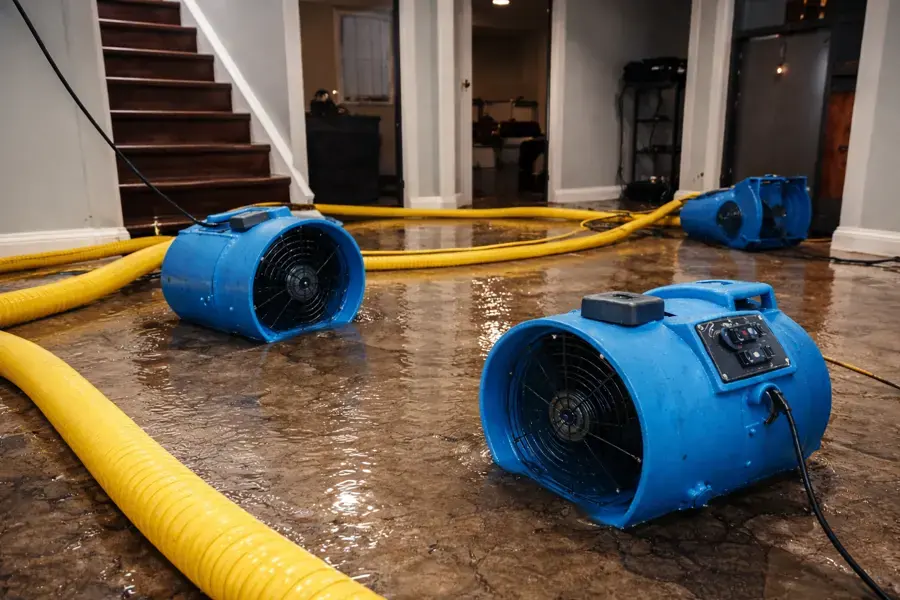
How the cleanup is handled
A commercial water damage job starts with water removal and a moisture survey. The survey maps which walls, floors and ceilings are wet, including the ones that look normal.
That map decides where the equipment goes and what gets opened.
In a busy downtown, the work is planned around customers where it can be, with equipment placed to leave doors, aisles and kitchens as usable as the damage allows.
Drying masonry and old framing
Structural drying in a historic building is slower and more careful than in a newer one. The goal is to move moisture out of the masonry and timber without cracking plaster or lifting old finishes.
Air movers and dehumidifiers run on a schedule, and readings are taken at each visit until they match a dry reference.
Protecting what is original
In a historic district, original trim, flooring and plaster matter. The crew opens only what the readings require, so a repair can be matched to what was there before.
Lowering the risk in an old building
An old building cannot be made leak proof, but owners can shorten the time between a leak and a response.
These habits cost little and pay off the first time something fails.
- Know every shutoff: Mark the main valve and the valves for each tenant space where staff can find them.
- Check the roof after storms: Wind and ice can move flashing and tiles without any visible leak inside.
- Look at ceilings monthly: A new stain is the earliest warning of a slow leak above.
- Keep drains clear: Floor drains and gutters that back up send water toward walls.
- Share contact details with neighbors: A leak in a shared wall is solved faster when both owners can be reached.
Busy seasons and the pressure to reopen
The Britt Music & Arts Festival holds outdoor concerts on a hillside above downtown, and it brings thousands of visitors in spring and summer. A shop or restaurant that is closed during that time loses income.
Rushing the drying is not the answer. A wall that is closed up while still wet can keep a building damp for months, and the finish on top can stain or peel.
A schedule with clear readings lets an owner reopen when it is truly safe.
The Jacksonville hub at Jacksonville water damage restoration lists the full range of cleanup types, and the main page for commercial water damage in Grants Pass explains the process for business owners across the region.