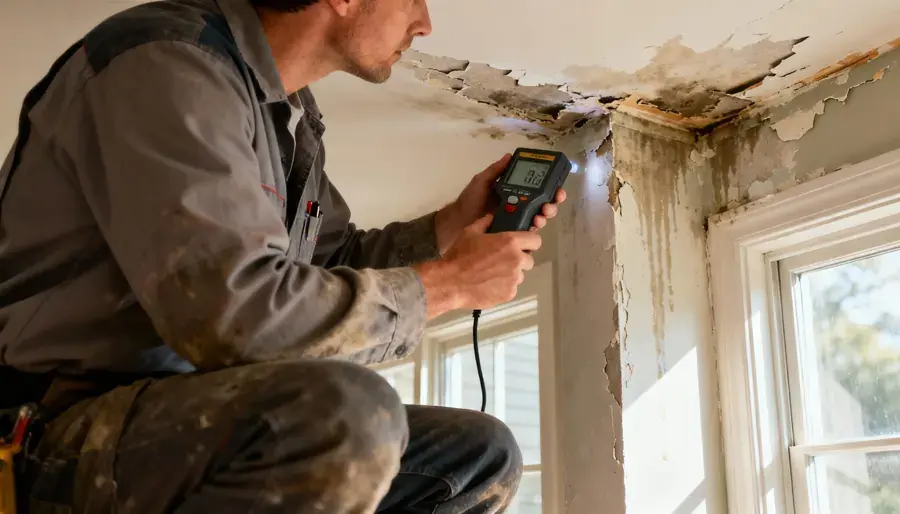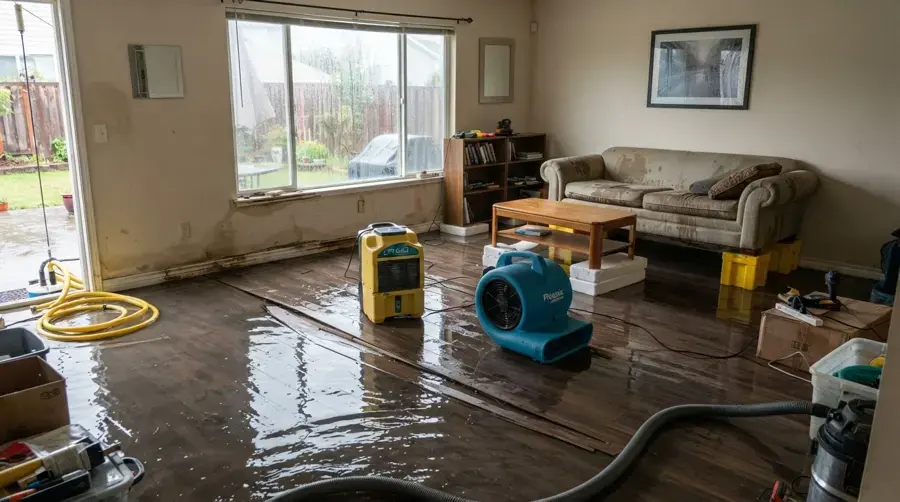
The City of Rogue River collects and treats its own sewage. When Public Works smoke tests the sewer and storm drains, it is looking for the same kind of defects that cause a backup inside a home.
Key takeaways
- The City of Rogue River provides drinking water and sanitary sewer service to each property within city limits, and it collects and treats its own sewage.
- City Public Works has smoke tested the sewer and storm drain systems to find breaks and defects.
- Per the city's smoke test notice, smoke entering a building signals plumbing defects that could let sewer gas in.
- A sewage backup is contaminated water, and it is never treated like a clean pipe leak.
- Porous materials touched by sewage are usually removed, and hard surfaces are cleaned and treated.
What a smoke test is and why the city runs one
City Public Works has smoke tested the sewer and storm drain systems to find breaks and defects. The test pushes harmless smoke into the system, and the places where smoke escapes show the places where something is wrong.
A broken pipe, a missing cap or a bad joint shows up as a thin wisp of smoke rising from the ground or a vent.
The point is to find problems before they become backups, so the system carries wastewater to the city treatment process instead of into a yard or a house.
A homeowner who sees a notice about the test does not need to do anything special. It is simply a chance to learn whether the plumbing in the house is sound.
What smoke inside a building means
Per the city's smoke test notice, smoke entering a building signals plumbing defects that could let sewer gas in. That is the part a homeowner should take seriously.
Smoke can come from the home plumbing as well as from the city system. A dry trap, a cracked drain, a missing cleanout cap or an old vent can all let smoke in.
- A dry trap: A floor drain or a rarely used sink can lose the water seal that blocks gas.
- A cracked or loose drain pipe: Gas and water can leak at a bad joint.
- A missing or loose cap: An open cleanout lets smoke and gas into a utility area.
- An old or damaged vent: Roof vents that are broken or blocked can change how the system breathes.
Why sewer gas matters
Sewer gas smells like rotten eggs and can irritate the nose and eyes. It also signals that a drain is not sealing the way it should.
A home with a smoke or gas problem is a home where wastewater could also come back up.
Some owners hear gurgling in a drain or smell a sour odor from a floor drain before any water appears. Those are early signs worth reporting to a plumber.
How a backup differs from a clean leak
A burst supply pipe sends clean water. A sewage backup sends wastewater, and that is a different category of problem.
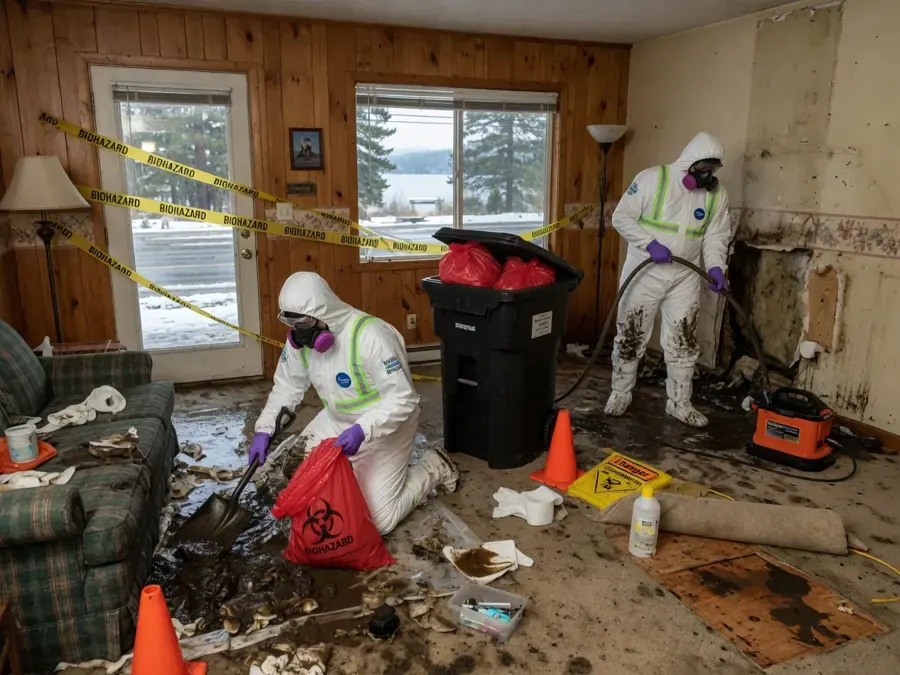
Sewage contains bacteria and other contaminants. It is treated as Category 3, the most contaminated class, from the first step.
That changes what the crew does. Materials that soaked it up are usually removed, not dried.
- Carpet and pad: Removed and disposed of.
- Drywall and insulation: Cut out where sewage reached them.
- Hard surfaces: Cleaned and treated with the right products.
- Belongings: Judged by material, since porous items usually cannot be cleaned.
What to do when a drain backs up
The first steps are about safety and about stopping more water from entering the system.
- Stop using water: No toilets, showers, sinks or washers while the drain is backing up.
- Keep people and pets out: Wastewater is a health risk, especially for children and older adults.
- Do not walk through it: Boots do not make the area safe.
- Turn off power if water reached outlets: Do it only if the breaker can be reached without stepping in water.
- Photograph the backup: Take pictures of the drain, the floor and the damage before anything is moved.
Is the backup the city's or the home's?
The City of Rogue River provides sanitary sewer service to each property within city limits. That does not settle where a blockage sits.
A clog can be in the home plumbing, in the pipe between the house and the main, or in the main itself. The owner of each piece is something to confirm with the city and a plumber, not to assume.
A good first move is to see whether neighbors are having the same trouble. If so, the problem may be in the shared system and the city should be told.
Rogue River gets about 40.97 inches of rain a year, and December is the wettest month at 8.53 inches. Heavy rain adds water to any system with a defect, so winter is a common time for trouble to show up.
Whatever the cause, the water that reached the house is a separate job from the pipe repair. A plumber or the city fixes the blockage, and a restoration team deals with the contaminated floor, walls and belongings.
How the cleanup works
A sewage backup cleanup is done in stages. Each stage protects the people in the home and the ones that follow.
The first stage is containing the area, so the contamination does not spread to rooms that stayed clean.
Crew members wear protective gear, and the area is sealed off from the rest of the house while the work goes on.
Remove and extract
Standing wastewater is pumped out, and water extraction removes what is left in the floor and low spots.
Then the contaminated materials are cut out and bagged. This is where a floor drain backup is very different from a sink overflow.
Clean, treat and dry
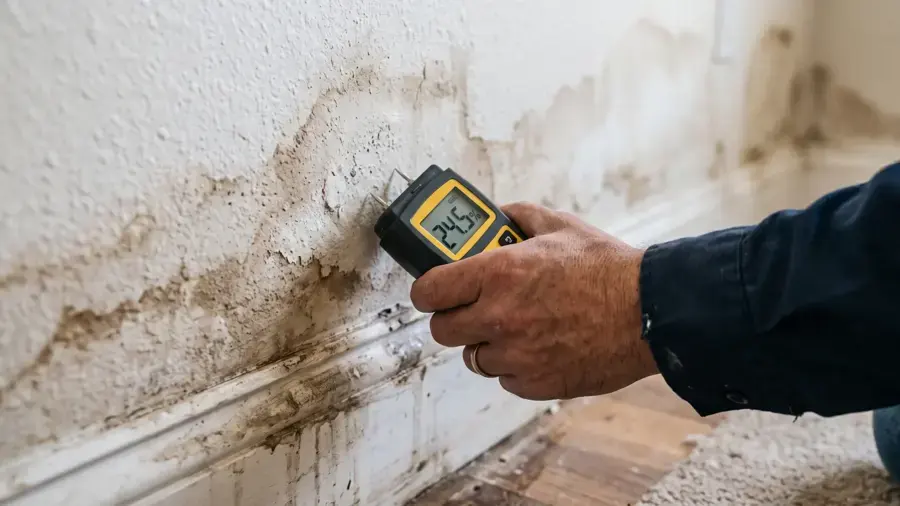
Surfaces that stay are cleaned and treated, and the area is dried with air movers and dehumidifiers. Readings confirm the structure is dry before the work ends.
The result is a space that is clean, dry and ready for the rebuild.
A note on the Rogue River area
Rogue River is a separate city in Jackson County. It is not part of Grants Pass. For readers elsewhere in the region, the page on sewage backup cleanup in Grants Pass shows the same process.
The Rogue River hub lists every cleanup type available for homes and businesses in the city, from pipe leaks to flood water.